The Quiet Depletion of Fire Season on the Nervous System
Summer is a really interesting season to me. It’s at once the time when we’re the most active, adventurous, connected, and joyful as we venture out and enjoy the long days and nice weather. It’s also hot, dry, and in its own way just totally exhausting! By late Summer, many of us start feeling the fatigue of a season of big energy and our bodies and minds start easing us into cycles of slowing down and easing up a bit. As a clinical herbalist in Salt Lake City, I also find that many people come to our clinic starting to feel the effects of burnout depletion and all the nervous system issues that can come with it. Late summer is a great time to really care for the restoration and nourishment of the nervous system- but the hot Wasatch Front summer isn’t the only reason people are feeling fried as autumn rolls in. We have another intense stressor that happens in our part of the world: fire season.
Your nervous system is so intelligent and so incredibly powerful. All day, everyday, all the time it is scanning the world within and without and asking one fundamental question: am I safe now? When it finds signs that safety is compromised, the stress response system activates to help us prepare to respond, navigate, and hopefully recover from whatever the threat happens to be. It’s a brilliant system that, even though it over-reacts sometimes, is there to keep us alive.
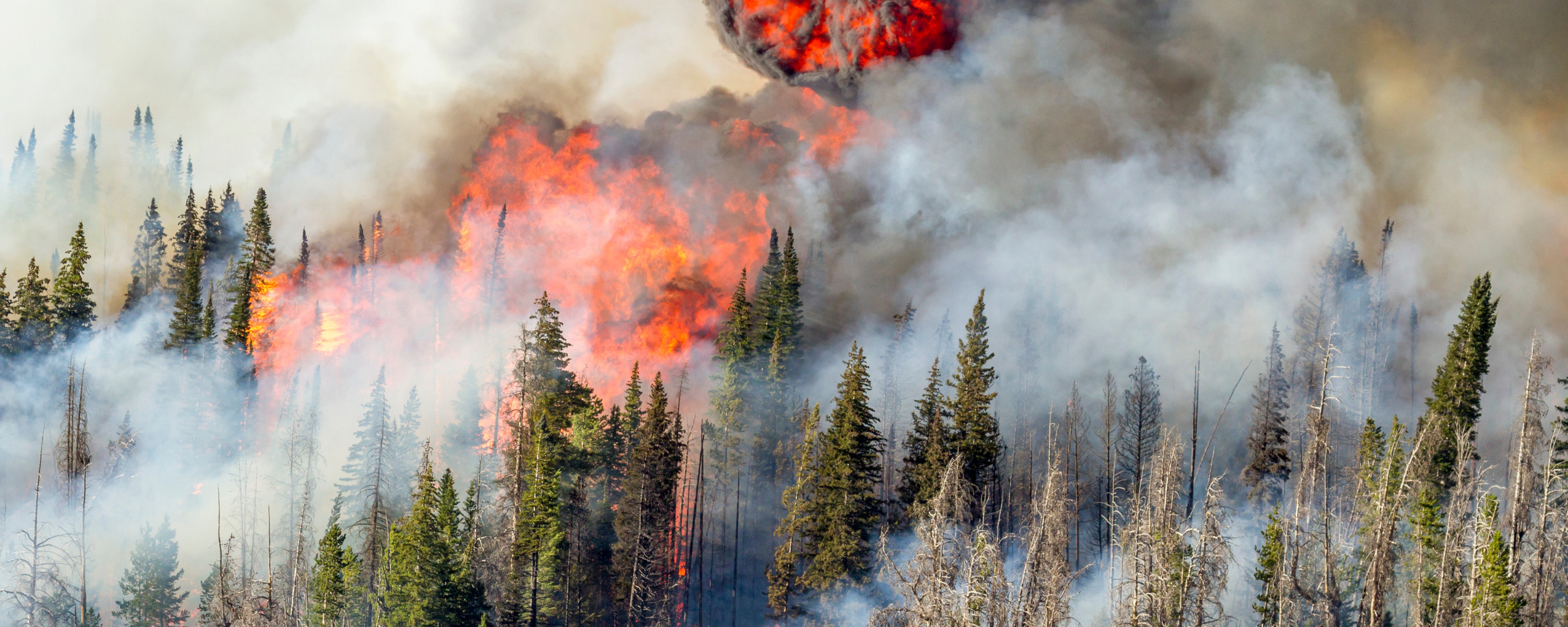
Something we aren’t always aware of during fire season is that the smell of smoke, plumes rising across the sky, and news images of fire lines actually communicate deep threat to our primal nervous systems and can easily engage stress responses that seem to come out of nowhere. So, if you’ve been feeling particularly on-edge, stressed, depleted, anxious, or restless lately, it could be the added tension of wild fire threat.
The smell of smoke is an ancient signal of danger that is hardwired into our bodies and minds. The body will register smoke as a danger sign even when the conscious mind knows certainly we’re not in any danger. The fire can be on the other side of the valley but our nervous system will still be on guard. Even when we only encounter mild smoke in the air there will usually be an uptick in cortisol, one of the primary stress-response hormones. The presence of cortisol produces immediate sensations of anxiety and stress, and can lead to depletion and health issues when it isn’t allowed to return to a normalize level due to constant threat signals like days or weeks of smoke smell in the air. Later, we’ll look at how herbal medicine in Salt Lake City can help support us through every season.
The Threat Stack
When the many dangerous signals interpreted by our nervous systems start to accumulate, we can find ourselves in a truly anxious situation. Some of the signals we might interpret as threat include:
The smell of smoke · activates the limbic system and is an ancient threat response hardwired into each of us
The visual of a hazy horizon · the body wants to scan distance for safety and can’t
The headlines, air quality alerts, and worry about loved ones · compounds a personal sense of being in danger
The sustained heat and drought, which are their own stressors for our long-term wellness · add to depletion and burnout
The dryness in the throat, the difficulty of cooling at night, the way the lungs work harder · can prevent restoration and replenishment
The cumulative effect over weeks and months of fire season · leads to deficiency states in body, mind, and spirit
These are all common, expected aspects of fire season, but as you can see they each get to us in ways that can cause stress-aggravated issue we might not even be aware of. Stress can feel like acute anxiety, but it can also sneak in under the radar which is when it can be the most damaging to our long-term wellness.
As all of this builds up, there are some things we look for in our herbal clinic that help us see the way the stress is mounting and is starting to cause restriction in the flow of vital life energy:
A chronic low-grade anxiety that does not have a clear cause · aligned to the beginning of fire season
Irritability with a shorter fuse than usual · inner heat aggravated by outer heat
Sleep that comes harder and runs shallower · heightened cortisol that isn’t lowering naturally
A particular kind of mental fog that feels heavier than usual · due to worry and stress fatigue
Dry eyes, dry throat, dry skin · physically stressful effects of smoke and heat
Unsettled feeling in the chest · tension and depletion in the lungs
A fried quality to the fatigue · burnout from elevated stress levels over weeks and months
An uptick in climate doom thinking and low-grade existential weariness · a common extension of fire season anxiety
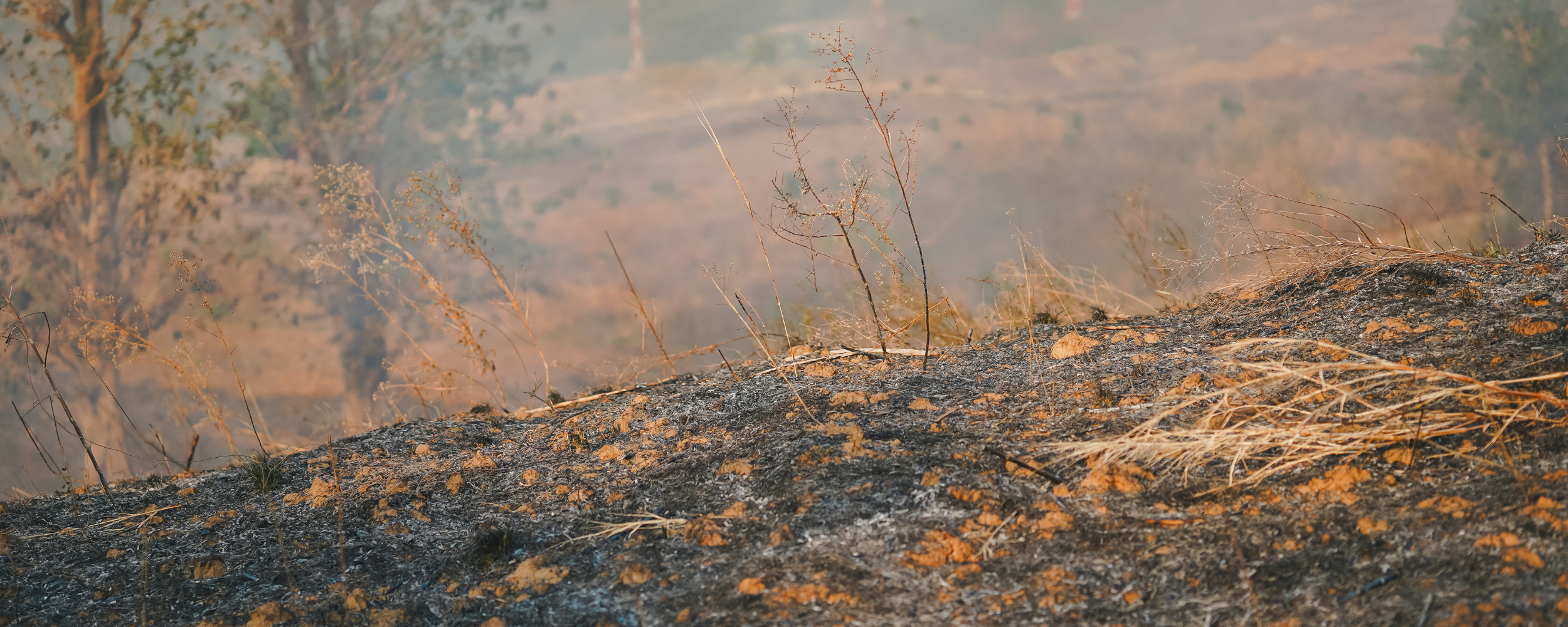
Nervous system burnout often feels like the burned out land left behind after a wildfire; depleted, exposed, and raw
Summer Heat in Herbal Medicine
Traditional herbalism wisdom tells us that during the heat of summer, the body will experience more heat and all the things that might come with it. From irritability and anger to inflammation and rebellious digestion, excess heat can be aggravated by our environment and can also be soothed by the gifts of nature.
When the nervous system is already running hot, rapid, activated, and wired, the addition of summer heat and wildfire worries can send us into a tailspin. This is why herbal support during these seasons is so important and so incredibly soothing.
Physically, fire season aggravates the respiratory tissues, dries out skin and lungs, dehydrates tissues more quickly, and requires more energy to cool the body and keep it health. Emotionally, our inner world can become heated with fiery emotions like anger, resentment, irritability, and frustration. These things lead to a felt sense of being hot- sometimes to the point of burned! The good news is that ancient herbalism brings us harmonizing medicine to protect, heal, and recover before, during, and after the heat of summer and the threats of fire season.
Here are some tips to help navigate fire season in the Wasatch Front with more cool, grounded ease:
Acknowledge the anxiety · the body can settle when things get named
Bring real hydration back into the body with cool herbal infusions and healthy oils · hydration is more than just water
Connect with nourishing herbs and foods · Goji Berries soaked in cool water with Mint, Hibiscus and Rose Petals and Rosehips, Cucumber, Borage Flowers, and Lemon Balm, Nettle and Oatstraw… brewed long and cool
Protect sleep with extra care during smoky stretches · close windows, use an air purifier, enjoy a cooling, relaxing evening tea
Honor the sacred edges of the day · walk and move in early morning and evening when the air and temperature are kindest
Build small daily pauses for the nervous system · tea moments, cool water on the face, a breath beneath a big, cooling shade tree
Question whether your summer pace matches what the season is actually asking for · are you going too fast, to hard, too much?
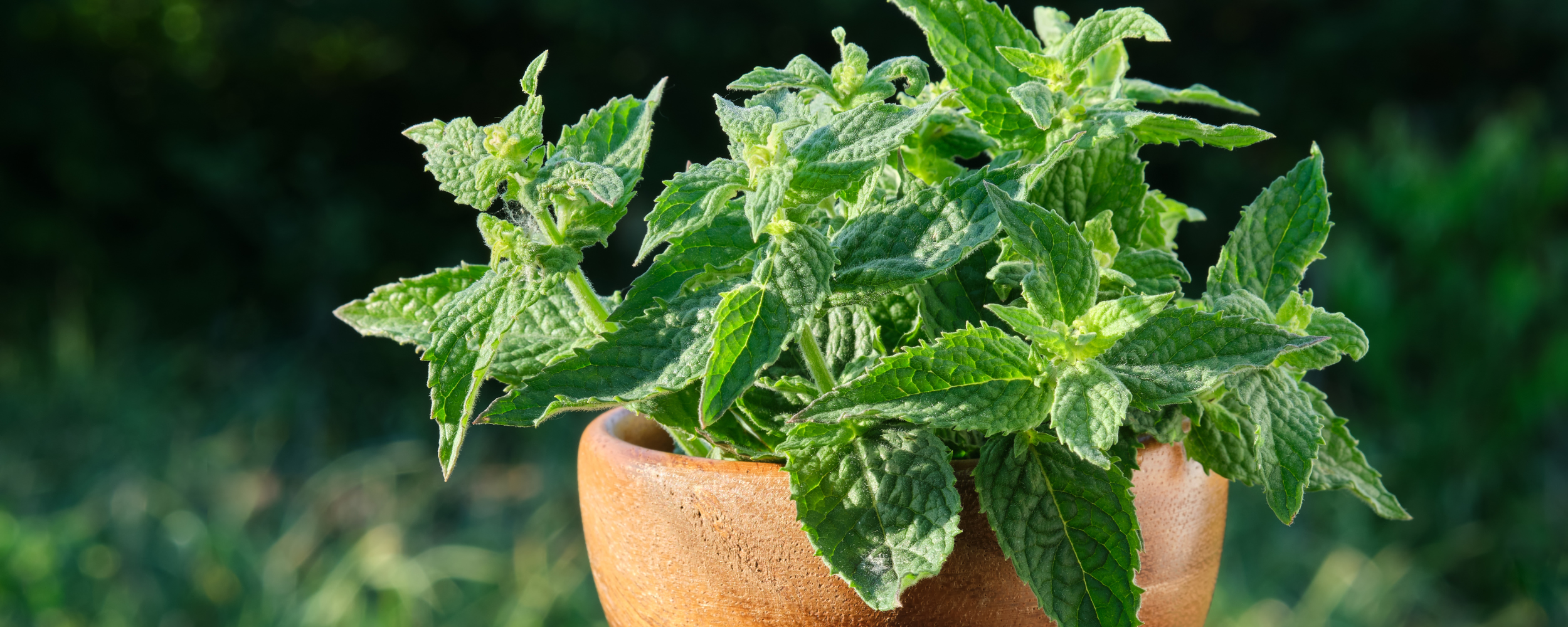
A Perfect Herb for Summer Heat
Lemon Balm has a way of arriving exactly when you need them. Standing in the garden at the end of a long, hot, hazy day, brushing your fingers against their leaves and lifting them to your nose, something quietly resets. The smell alone, bright and green and faintly citrus, seems to remind the nervous system that there is still ease available in the world- the plants still love us and care for us. For those of us moving through fire season here in Salt Lake City, that small reminder is its own medicine.
Of all the plants I reach for in the deep heat of summer, Lemon Balm (Melissa officinalis leaf) sits near the top of the list. They’re a true nervine, gentle but potent, the kind of plant that softens the tension of a body that has been on quiet alert for the whole season (and probably longer!). Balm is relaxing without being sedating, which makes them ideal for daytime sipping when so many other calming herbs would only deepen the heaviness. They’re cooling in the traditional sense: easing the kind of internal warmth that builds up under chronic stress and is amplified by smoke and heat. And they’re moistening, which matters more than people realize during a season that dries out the throat, the eyes, the skin, and the nerves all at once.
There is also something specific about how Lemon Balm meets the heart. They have been called the herb of the heart for centuries, valued for their ability to lift the spirits, ease anxiety, and gently dissolve the low-grade fear that sits in the chest during difficult times. For anyone carrying climate worry, wildfire concern, or the simple accumulated weight of a hard summer, Lemon Balm offers something tender. They don’t promise to fix what is happening in the wider world- they simply sit with you while you carry it, and somehow make the carrying a little easier.
…And then there is the flavor. Lemon Balm makes one of the most delicious herbal teas in the entire materia medica. Bright, lemony, fresh, slightly sweet, with none of the bitterness or strong character that some nervous system specific medicinal plants carry. They’re one of the easiest herbs in the world to fall in love with, which means clients actually drink this tea consistently. That matters!
The medicine that gets taken every day is the medicine that does the deepest work.
If you have a Lemon Balm plant in your garden, late summer is the perfect time to gather a generous handful and bring the leaves inside for a slow, cool herbal tea. Here is the simple practice I recommend most often.
Take a large handful of fresh Lemon Balm leaves and small stems, maybe a cup loosely packed, and rinse them gently in cool water.
Place them in a clean quart jar. Pour just-boiled water over the leaves, filling the jar all the way.
Cover the jar with a small plate or lid and let it steep for thirty minutes to an hour, until the water is warm rather than hot.
The longer steep draws out more of the moistening, nervine qualities while the cooling-down preserves the bright top notes of the plant.
Strain the tea into a clean jar or pitcher.
Add a squeeze of fresh lemon if you like, or a slice of cucumber, or a few crushed mint leaves.
Place it in the refrigerator until cold.
To serve, pour over a few ice cubes and sip slowly.
A quart of this tea will keep for 3 days in the fridge- so feel free to make a big batch!
The practice is its own herbal medicine. Take the time to make the tea before you need it. Keep it in the fridge as a steady companion for the afternoon hours when the heat is heaviest and the smoke is thickest. When you reach for the glass, take a moment to smell the infusion before you drink- scent is one of the ways plants communicate their wisdom to us, even if we’re not aware of it on a conscious level. Take three slow breaths with the exhalation a little longer than the inhalation. Notice the plant. Then sip. This small ritual, repeated daily through the hardest weeks of summer, becomes a quiet anchor for a nervous system that has been carrying more than it knows.
Lemon balm asks very little of us. A cup of clean water, a handful of leaves, and a few minutes of attention. In exchange, they offer cool, calm, brightness, and the steady company of a plant that has been helping human beings move through difficult seasons for as long as we have records. In a summer like this one, that is no small gift.
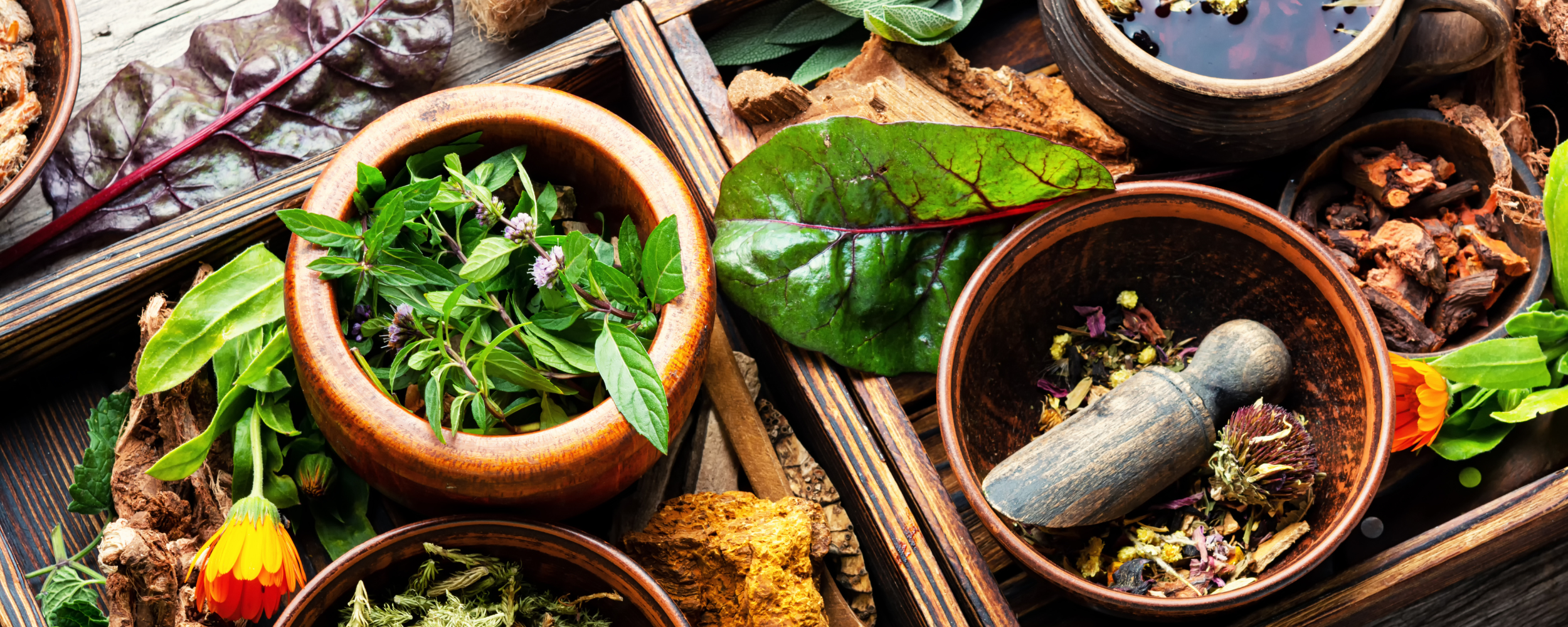
Custom herbal formulations can help support the lungs, upper respiratory system, immunity, and the nervous system during fire season
In addition to the stress of summer heat, we also need to be mindful of the ways in which smoke, heat, and dryness can affect our respiratory systems, immunity, skin, digestion, and mood. No part of us exists alone; we’re each a living and dynamic ecology where the stress put on one system trickles down and influences all others.
Herbal medicine can effectively help to protect us all season long while also nourishing our systems to keep us healthy as we navigate summer. These herbs should be formulated to address not only the things we’re trying to heal or protect, but our own individual inner nature, constitution, and spirit.
Josh Williams, MAMH is a clinical herbalist in practice in Salt Lake City, Utah for over a decade.
He specializes in whole-person care with a focus on stress, anxiety, fatigue, rest, and resilience at Flow Acupuncture & Apothecary.