
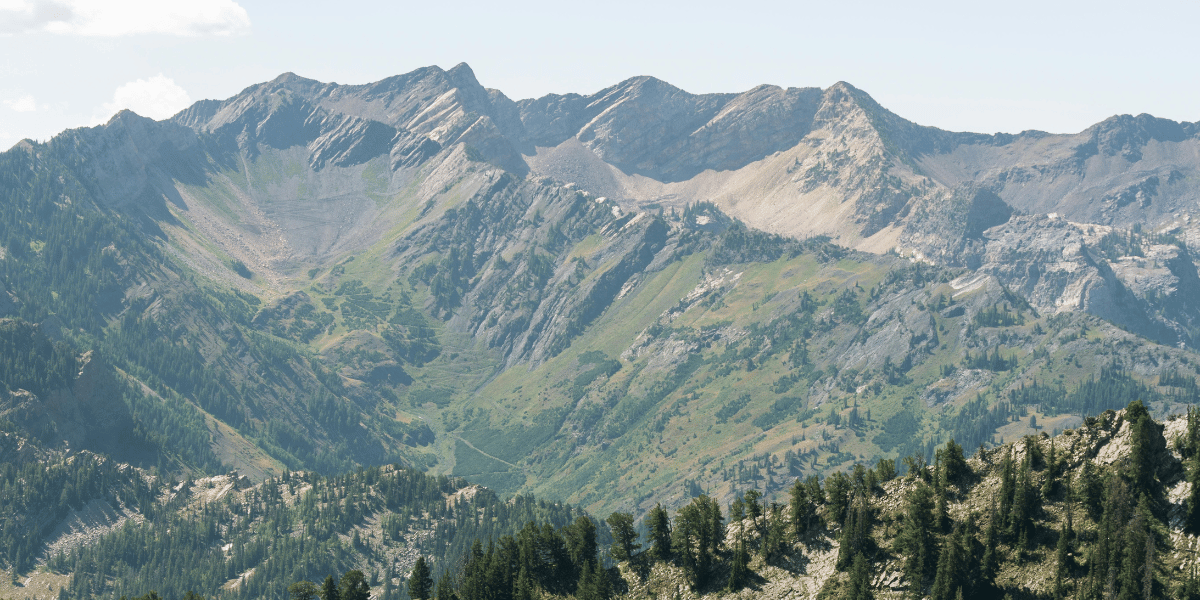
Clinical Herbalism in Salt Lake City
Natural Support for Stress, Anxiety, Mood
& Whole-Person Wellness
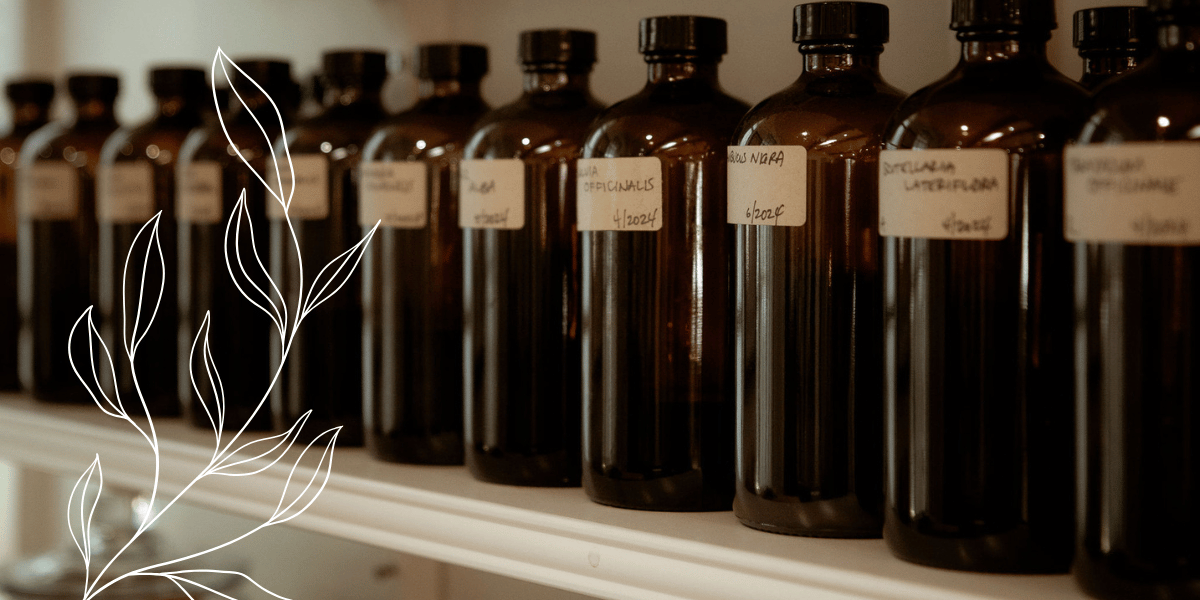
Clinical Herbalist in Salt Lake City
Personalized Herbal Care for Stress, Anxiety, Panic, Sleep, Mood, Energy, and Nervous System Resilience
If you're searching for a clinical herbalist in Salt Lake City, you've likely already tried the easy answers. The shelves at every health food store from Sugar House to Sandy are full of "calm" tinctures, sleep stacks, and adaptogen blends but none of it was made for you specifically. None of it sat with your story, asked about your sleep, watched how your nervous system responds under pressure, or considered what makes your particular constitution different from anyone else's.
That's where clinical herbalism is different.
I'm Josh Williams, a clinically trained herbalist serving Salt Lake City and the surrounding Wasatch Front: Holladay, Sugar House, Millcreek, Cottonwood Heights, Bountiful, Park City, and beyond. My practice is built around personalized, relationship-centered plant medicine. While I am glad to support people across a range of health concerns, my clinical focus is specific and intentional. I work most deeply with stress, anxiety, panic, sleep, mood, energy, resilience, and the spiritual dimensions of healing that emerge as the nervous system finds its way back to ease. These are the patterns I have spent years studying, and they are the work I love most.
If that's what you're searching for, you're in the right place.
Stress Is the Modern Root Condition- And It's More Serious Than We Often Treat It
We've all gotten used to saying "I'm stressed" the way we talk about the weather, casually, in passing, as if it doesn't really mean anything. But the research tells a much more sobering story.
A study published in JAMA Internal Medicine found that 60–80% of primary care office visits have a stress-related component, yet most patients never receive any meaningful stress management counseling during those visits.[¹] That gap is enormous- and it's where so many of us end up: managing prescription after prescription for symptoms whose root has never been addressed.
Chronic stress is not a feeling. It is a measurable, physiological state; elevated cortisol, sympathetic nervous system overdrive, disrupted circadian rhythm, immune dysregulation, inflammation, and HPA axis dysfunction- and it is implicated in nearly every major chronic disease we face today. The Centers for Disease Control and Prevention notes that people experiencing long-term stress, anxiety, depression, and PTSD show physiological effects including increased cardiac reactivity, reduced blood flow to the heart, and heightened cortisol levels, all of which contribute to cardiovascular risk.[²]
Among the conditions strongly linked to chronic stress in peer-reviewed research:
Cardiovascular disease, hypertension, and stroke · Longitudinal data from the CARDIA study, the Strong Heart Family Study, and decades of cardiology research connect chronic psychological stress to higher rates of coronary heart disease, hypertension, and stroke.[³][⁴]
Type 2 diabetes · Chronic stress alters insulin sensitivity and raises cortisol, particularly in individuals carrying excess weight.[⁵]
Autoimmune conditions and immune suppression · Chronic cortisol dysregulation interferes with normal immune surveillance and is associated with greater susceptibility to infection and more autoimmune flares.[⁵]
Anxiety, depression, and panic disorders · The bidirectional relationship between chronic stress and mental health is well-established, with stress both triggering and intensifying mood disorders.
Sleep disorders · Disrupted cortisol rhythm is a leading driver of both sleep-onset and sleep-maintenance insomnia.
Digestive disorders · IBS, functional dyspepsia, and reflux are strongly linked to nervous system dysregulation through the gut-brain axis.
Chronic pain and tension headaches · Sustained muscular guarding and nervous system hyperreactivity drive these patterns.
Hormonal imbalance, fertility challenges, and accelerated reproductive aging · Cortisol production competes with sex hormone production through shared precursors.
Cognitive decline and brain fog · Sustained cortisol elevation is linked to hippocampal changes and reduced neuroplasticity.
This is why I take stress so seriously in my work and why I built my practice around it. When stress is left to compound year after year, it doesn't stay in the nervous system. It moves into the heart, the gut, the immune system, the hormones, and the brain. Addressing it early, thoughtfully, and at the root is one of the most meaningful investments anyone can make in their long-term health.
What Clinical Herbalism Actually Is
Clinical herbalism is a client-centered practice that works with plants as therapeutic allies within a structured assessment process. Rather than treating (or suppressing) isolated symptoms, clinical herbalism seeks to understand patterns- how stress, digestion, sleep, immune function, hormones, and nervous system regulation interact within one whole person.
In my practice, that looks like:
Individualized assessment rooted in both ancient pattern-recognition traditions and modern physiology
Thoughtful herb and formula selection based on your constitution, history, lived experience, and goals with attention to safety, efficacy, and accessibility
Ongoing refinement as your body responds, stabilizes, and changes
An emphasis on regulation, resilience, and recovery not symptom suppression
Empowering herbal education that meets you where you are
This work unfolds over time. Herbal medicine is not a pharmaceutical override; it is a partnership with your physiology that grows and adapts as you do.
Herbalism as Both Science and Spirit
One of the things that makes traditional herbal medicine so powerful is that it has never separated body from mind, or science from meaning.
On one side, modern phytochemistry, pharmacology, and clinical research increasingly validate what herbalists have known for centuries- that specific plants modulate the HPA axis, support GABA function, regulate inflammation, and influence neurotransmitter balance in ways that meaningfully shift the nervous system's capacity for resilience. Herbal medicine, practiced with clinical rigor, is genuinely evidence-informed care.
On the other side, herbalism has always understood that humans are not just biochemistry. We are story, breath, relationship, season, and place. The nervous system that becomes anxious and exhausted is the same nervous system that longs for meaning, beauty, and connection with the living world. Plants, as living medicines, carry that wholeness with them when they enter the body.
In my practice, this means herbal care addresses nervous system resilience and whole-person wellness simultaneously:
The science · physiology, pattern recognition, safety, drug-herb interactions, dosage, formulation
The spirit · presence, ancestral knowledge, contemplative practice, nature relationship, and the deeper coherence that supports lasting healing
The spiritual dimension is never imposed. For many clients, the clinical work is the entire picture, and that is completely fine. For others, the deeper dimensions of spiritual herbalism are part of what drew them to plant medicine in the first place. Both paths are welcome here.
Conditions and Patterns I Specialize In
Clinical herbalism is particularly well suited for the layered, ongoing patterns of nervous system strain that so often sit at the heart of modern suffering. In my Salt Lake City practice, my work centers on the following:
Stress and nervous system dysregulation · the chronic activation that quietly erodes sleep, mood, energy, and health over time
Anxiety, panic, and worry · from generalized anxiety and acute panic to the racing-mind wakefulness and physical tension that so often accompany them. Learn more about herbal support for anxiety
Sleep disturbances and insomnia · sleep-onset difficulty, sleep-maintenance issues, and the non-restorative sleep patterns that leave you tired even after a full night in bed. Learn more about herbal support for sleep
Mood imbalances and emotional heaviness · low mood, flatness, and the dulled experience of life that so often accompanies chronic stress and depletion. Learn more about herbal support for mood
Fatigue, burnout, and depleted energy · including HPA axis dysregulation, post-viral fatigue, and the wired-and-tired pattern that follows years of overdrive
Building resilience and long-term nervous system recovery · the deeper work of restoring your body's capacity to meet life without being knocked off center
Spiritual connection and the return to yourself · for those drawn to the deeper relational dimensions of plant medicine and the felt sense of coming home to something inside that has been missing. Learn more about spiritual herbalism
Beyond my primary focus, many chronic patterns carry a stress or nervous system component underneath them. Concerns around digestion, hormones, immune resilience, and general foundational wellness are often affected by the same underlying dysregulation, and they can be supported within the arc of this work when they arise. If you are unsure whether what you are carrying fits, my conditions and patterns page explores this in more depth.
The Deeper Layers of This Work
For many of the people who come to see me, the presenting concern is stress, anxiety, sleep, or fatigue. That is the door. But when the work goes well, something more spacious tends to open on the other side of it. As the nervous system settles, a person begins to remember something they had almost lost track of. A quieter self underneath the noise. A sense of belonging to their own life. A steadier relationship with the living world.
This is what I mean when I speak of resilience and spiritual connection as parts of my clinical focus. Resilience is not just the absence of stress. It is the capacity to meet whatever life brings without being pulled entirely off center. It is built slowly, through the daily relationship with the plants and the practices that grow around them. Spiritual connection, in the way I hold it, is not a separate program from the clinical work. It is what naturally emerges as the body and nervous system come back to themselves. Some clients want to walk into this territory deliberately. Others prefer to keep the work squarely clinical. Both are welcome, and both paths are honored here.
What to Expect From a Consultation
Initial consultations are unhurried, thorough, and relational. We typically explore:
Current concerns and full health history
Stress patterns and your nervous system's recovery capacity
Sleep, digestion, and energy rhythms
Environmental and seasonal influences along the Wasatch Front
Medications, supplements, and other therapies you're using
Your goals and what "better" actually looks like for you
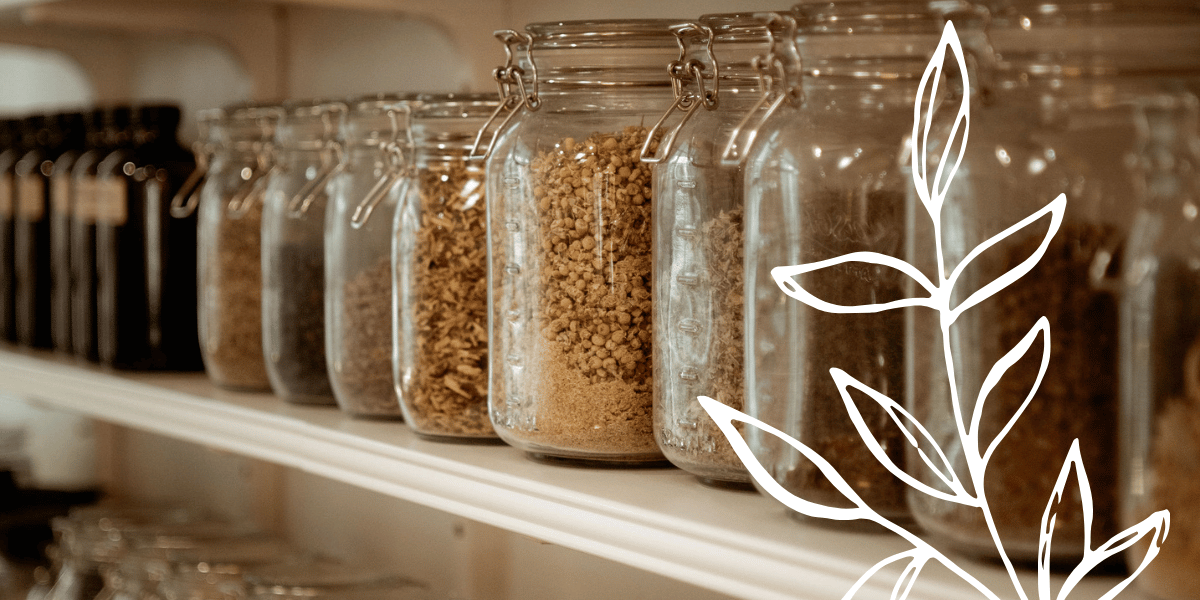
From this picture, an initial herbal plan is developed- typically including tinctures, teas, or capsules selected and combined specifically for your constitution. Follow-up sessions allow us to refine care, adjust formulations, and respond to how your body is changing.
This is genuinely individualized work. Two people can walk in with the same complaint: "anxiety" or "I can't sleep" or "I'm exhausted"… and walk out with completely different herbal plans, because their underlying patterns are different.
Safety, Scope, and Collaboration
Clinical herbalism operates within a defined scope of practice. My care always includes:
Careful review of all current medications, supplements, and lifestyle factors for safety and compatibility
Attention to contraindications, sensitivities, and individual variation
Clear, accessible communication about how to use your herbs effectively
Willingness to coordinate with — or refer you to or other providers when appropriate
Herbal medicine is not a replacement for emergency or acute medical care. It is, however, an extraordinary partner to it: supporting the underlying terrain in which acute conditions arise and resolve.
Clinical Herbalism in the Context of Salt Lake City and the Wasatch Front
Living along the Wasatch Front comes with a specific set of influences on the nervous system and the body. High altitude, dramatic seasonal swings, winter inversions and summer wildfire smoke that quietly wear on the body over months, long winters that affect mood and circadian rhythm, and the particular pace of modern life in a fast-growing region. All of these add real weight to a nervous system that is already carrying enough.
My practice takes these regional factors into account when designing herbal care. Whether you're navigating allergy season in the Avenues, recovering from burnout in a demanding tech career in Lehi, sleeping poorly through an inversion week, or simply feeling worn thin by everything- your care should be designed for the actual life you live, in the actual place you live it.
Is Clinical Herbalism Right for You?
This work tends to be a good fit if you:
Prefer personalized, attentive care over generic protocols
Have ongoing or recurring health concerns that haven't fully responded to other approaches
Want support that addresses patterns and root causes, not just symptoms
Are open to working with plants in a thoughtful, relational way
Value being heard, taken seriously, and met as a whole person
It may not be the right fit for acute medical emergencies or situations requiring immediate medical intervention.
Frequently Asked Questions
What's the difference between working with a clinical herbalist and buying supplements from a store? Clinical herbalism involves individualized assessment, pattern recognition, and ongoing adjustment. Rather than picking products off a shelf based on a label, herbs are selected and combined specifically for how your systems are interacting and the plan changes as your body responds over time.
Is clinical herbalism evidence-based? Yes! Clinical herbalism draws on traditional herbal knowledge, modern research, and practitioner experience together. It doesn't replace medical care, but it applies critical thinking, safety awareness, and pattern-based clinical reasoning within a structured framework.
Can herbal care work alongside conventional medicine, including medications for anxiety or depression? In most cases, yes. Many of my clients are using prescription medications, and part of the consultation process is reviewing those medications for safety and compatibility with herbal support. When appropriate, herbal care can complement, not conflict with, conventional treatment.
How long does it take to feel results from herbal care? This varies. Most clients notice meaningful shifts within the first two to four weeks, especially in sleep and the acute edges of stress and anxiety. The deeper work, the kind that changes your baseline capacity for resilience and steadies your mood and energy over time, typically unfolds across three to six months of consistent care. This is the pace of real nervous system change, and it is one of the reasons this work is so durable when it is given time.
Do I have to be interested in the spiritual side of herbalism to work with you? Not at all. All of my care is clinically grounded and accessible regardless of your worldview. Spiritual or contemplative dimensions are optional, only explored when they align with your interests and goals.
Do you only work with people in Salt Lake City? My practice is based in Salt Lake City and most of my clients come from the surrounding Wasatch Front communities. I'm happy to discuss whether your situation is a good fit for in-person or remote follow-up care after an initial consultation.
References
¹ Nerurkar A, Bitton A, Davis RB, Phillips RS, Yeh G. When Physicians Counsel About Stress: Results of a National Study. JAMA Internal Medicine. 2013. Available at: jamanetwork.com
² Centers for Disease Control and Prevention. About Heart Disease and Mental Health. Available at: cdc.gov
³ Carnethon MR, Wong M, et al. Chronic Stress and Cardiovascular Events: Findings From the CARDIA Study. American Journal of Preventive Medicine. 2023.
⁴ Santoni S, Kernic MA, et al. Depression and Incident Hypertension: The Strong Heart Family Study. Preventing Chronic Disease (CDC). 2025. Available at: cdc.gov/pcd
⁵ Salleh MR. Life Event, Stress and Illness. Malaysian Journal of Medical Sciences. Available at: PubMed Central