
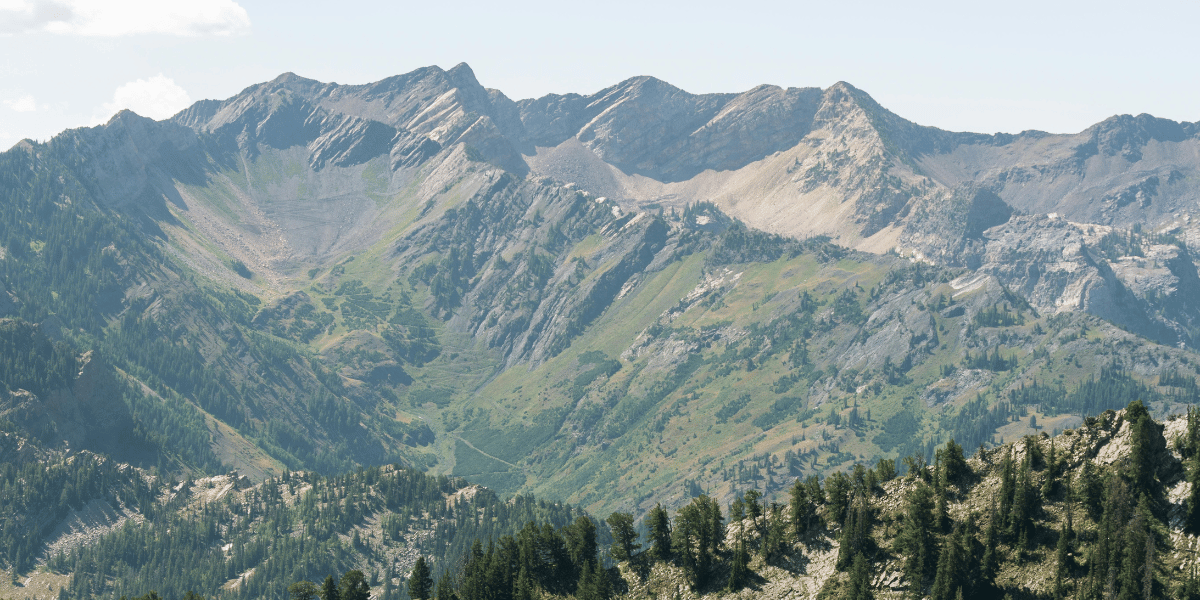
Herbal Support for Fatigue & Burnout in Salt Lake City
Natural Care for Exhaustion, Sleep Recovery,
and Nervous System Resilience

Herbal Support for Fatigue & Burnout in Salt Lake City, Utah
Natural, Personalized Care for Exhaustion, Sleep Recovery, and Nervous System Resilience
If you're searching for herbal support for fatigue or burnout in Salt Lake City, the chances are good that you've been trying to push through for a long time. The coffee that used to wake you up doesn't anymore. The weekends that used to recharge you barely scratch the surface. Sleep, when it comes, doesn't actually rest you. And underneath all of it is a creeping suspicion that something has shifted… that this isn't just being tired, and that the more you ignore it, the worse it gets.
You're probably right.
I'm Josh Williams, a clinically trained herbalist serving Salt Lake City and the wider Wasatch Front. My clinical focus is on stress, anxiety, mood, sleep, and the cascade of conditions that follow when the nervous system has been running on overdrive for too long; including the deep fatigue and burnout that almost always travel together with disrupted sleep.
This page is a comprehensive look at how a clinical herbalist approaches fatigue and burnout, with particular attention to the relationship between stress, sleep, and exhaustion. Because you cannot meaningfully recover from burnout without addressing sleep, and you cannot meaningfully repair sleep without addressing the upstream stress and depletion that are wrecking it.
Fatigue Is Almost Never Just Being Tired
There is a fundamental difference between tired and depleted, and it's the difference that brings most of my fatigue clients to my Salt Lake City practice in the first place.
Tired is what a good night's sleep fixes. Depleted is what you feel when sleep itself is no longer doing its job- when you've been running on stress hormones for months or years, when caffeine has stopped working the way it used to, when your reserves are gone and the system has begun conserving energy in ways that look like exhaustion but are actually adaptive shutdown.
This is what burnout looks like at the physiological level. The HPA axis (the body's central stress command) has been activated for too long and is now dysregulated. Cortisol, the body's primary stress hormone, is no longer being produced in the right amounts at the right times. Energy regulation breaks down. Sleep architecture fragments. The nervous system loses its ability to fully come down from arousal, and it loses its ability to fully ramp up when needed. You feel both wired and tired. Both edgy and numb. Both alert and unable to function.
Burnout is now formally recognized by the World Health Organization as an occupational phenomenon characterized by emotional exhaustion, increased mental distance from one's work, and reduced professional efficacy.[¹] But the lived experience extends well past work it touches parenting, caregiving, relationships, creativity, and the simple ability to feel like yourself.
The Bidirectional Loop: How Stress Wrecks Sleep, and Poor Sleep Worsens Stress
Here is the loop at the heart of nearly every burnout presentation I see… and it's the loop that has to be interrupted for real recovery to happen.
How Stress Disrupts Sleep
When the body is under chronic stress, cortisol stays elevated when it should be falling. The normal cortisol curve which is high in the morning to power waking and low at night to allow sleep, becomes flattened, inverted, or wildly dysregulated. This means: Sleep onset becomes difficult. Cortisol that should have dropped hours earlier is still circulating, keeping the nervous system in alert mode when you're trying to wind down. Sleep maintenance becomes fragile. The middle-of-the-night cortisol surge that should be gradual becomes premature and exaggerated, pulling people out of sleep at 2 or 3 a.m. Deep sleep is suppressed. Elevated cortisol directly reduces slow-wave sleep which is the most physically restorative stage, and shortens REM, the stage critical for emotional regulation and memory consolidation. Sleep stops being restorative. Even when sleep happens, it doesn't repair the body the way it should. People wake up almost as tired as when they went to bed. In other words: stress doesn't just interfere with sleep. It actively dismantles the architecture of restorative rest.
How Poor Sleep Worsens Stress
The relationship runs the other direction with equal force. A single night of poor sleep produces measurable physiological changes: Cortisol rises the next day. Sleep-deprived people show elevated cortisol levels and an exaggerated stress response. Inflammation increases. Sleep deprivation raises inflammatory markers like IL-6 and C-reactive protein within 24 hours. Insulin sensitivity decreases. Even one night of restricted sleep produces measurable insulin resistance. Emotional reactivity intensifies. The amygdala, the brain's threat-detection center, becomes hyperactive after sleep loss, while the prefrontal cortex's ability to regulate it weakens. Recovery capacity drops. The glymphatic system, which clears metabolic waste from the brain, depends on deep sleep to function. Without it, the brain accumulates cellular debris that contributes to fatigue, cognitive fog, and inflammation. Now compound this night after night, month after month, year after year. Poor sleep doesn't just feel bad. It compounds into the exact physiological state that makes burnout possible. This is why fatigue and burnout cannot be addressed in isolation from sleep. The two systems feed each other, and any approach that treats one without the other will produce, at best, partial and unstable results.
What the Research Says About Chronic Sleep Loss
The health consequences of sustained sleep deprivation, the kind that builds in the background of chronic stress and burnout, are now well-documented in the medical literature:
The CDC reports that 30–46% of American adults regularly get insufficient sleep (fewer than seven hours per night).[²]
An estimated 50–70 million Americans live with a chronic sleep disorder, making sleep dysfunction one of the most common and most undertreated health issues in the country.[³]
People with insomnia are roughly 10 times more likely to suffer from depression and 17 times more likely to experience anxiety disorders than good sleepers.[⁴]
Chronic sleep loss is independently associated with increased risk of hypertension, type 2 diabetes, obesity, depression, heart attack, and stroke.[³]
More recent research has linked chronic insomnia to increased all-cause mortality, weakened immune response, and greater susceptibility to viral and respiratory infections.[⁵]
Sustained sleep deprivation is also linked to accelerated cognitive decline, impaired memory consolidation, increased systemic inflammation, and reduced ability to recover from physical exertion or illness.
A landmark JAMA Internal Medicine study found that 60–80% of all primary care visits have a stress-related component, with sleep disruption being one of the most commonly missed manifestations.[⁶]
When fatigue and burnout are left unaddressed… and especially when the underlying sleep disruption goes unrepaired; the long-term physical health consequences are real. This is one of the most powerful reasons to take fatigue seriously rather than dismissing it as "just being busy." Working with the underlying stress and sleep patterns now is far easier than reversing the chronic disease patterns that emerge if they're left unattended for years.

Herbalism as Both Science and Spirit
Before going deeper into specific patterns and herbal approaches, a word about how I work.
Herbal medicine has always been both a scientific and a spiritual practice- and fatigue and burnout are one of the places this dual nature becomes most relevant. On the science side, modern phytochemistry and clinical research increasingly validate what herbalists have known for centuries: that specific plants meaningfully modulate the HPA axis, support cortisol regulation, restore sleep architecture, and rebuild nervous system terrain. On the spiritual side, there is a deeper recognition that burnout is not just biochemistry. It is what happens when a person has been giving more than they can sustain, and recovery is not just about correcting hormones, but about restoring relationship with self, with rest, and with what genuinely nourishes.
In my practice, this dual orientation means:
The science · careful clinical assessment, pattern recognition, drug-herb interaction review, evidence-informed formulation, ongoing adjustment based on results
The spirit · respect for the body's deep wisdom about rest and recovery, attentive presence, and (when a client is interested) contemplative dimensions of plant medicine
The contemplative side is never required. For many clients, the clinical work is the entire picture, and that's completely fine. What matters is that fatigue is being met as the whole-system signal it actually is… not just as a problem to caffeinate over.
This is, fundamentally, whole-person care for whole-person recovery.
The Top 10 Fatigue, Burnout, and Sleep-Linked Patterns People Bring to Herbal Medicine
When people search for natural healing and herbal support for fatigue and burnout, particularly the kind that comes tangled up with sleep dysfunction, they're typically living with one or more of these patterns. Each is distinct, well-recognized, and responsive to thoughtful clinical herbal care.
1Wired and Tired · The Defining Burnout Pattern
You are exhausted, but you cannot rest. The body wants sleep; the nervous system won't allow it. Mornings drag, afternoons crash, evenings paradoxically deliver a surge of energy just in time to ruin sleep. This is one of the most common and most defining presentations of burnout- and one of the most difficult to address without skilled herbal guidance, because it requires simultaneous calming and rebuilding. The wrong herb can deepen the dysregulation. The right combination, taken consistently over weeks, can begin to genuinely interrupt the loop.
Non-Restorative Sleep with Daytime Exhaustion
You technically sleep enough hours, but you wake up feeling like you didn't rest at all. The fatigue is real and persistent, but it isn't responsive to "just sleep more" because the sleep you're getting isn't doing what sleep is supposed to do. This pattern reflects insufficient time in deep slow-wave and REM stages, which are exactly the stages most disrupted by chronic stress and elevated cortisol.
This is the pattern where herbal medicine for both fatigue and sleep have to work together. Learn more about herbal support for sleep and insomnia
Adrenal Fatigue and HPA Axis Dysregulation
Whether or not "adrenal fatigue" is a formal medical diagnosis, the underlying pattern, HPA axis dysregulation, is well-documented in research and clinically recognizable: crushing fatigue that doesn't respond to sleep, poor stress tolerance, salt and sugar cravings, lightheadedness on standing, blunted morning energy, and second-wind energy at night that disrupts sleep. This pattern responds beautifully to skilled adaptogenic herbal protocols- but it requires precision. The wrong adaptogen for the wrong constitution can worsen the dysregulation significantly.
Burnout from Chronic Work, Caregiving, or Parenting Stress
The classic presentation: someone who has been competent, dedicated, and high-functioning for years has run out of reserves. The work is still there, but the capacity for it isn't. Sleep is fragmented. Mood is flat. Joy has dulled. Small things feel disproportionately hard. This is the body's protective conservation mode, and recovery requires patient, deliberate rebuilding, not pushing harder.
Post-Viral and Post-Illness Fatigue
A growing population accelerated by recent years of widespread viral illness is living with fatigue that began with or worsened after an infection and has never fully resolved. This pattern often involves immune dysregulation, mitochondrial impact, and nervous system reactivity that persists long after the acute illness has passed. Herbal medicine offers some of its most valuable tools here: gently rebuilding immune function, supporting mitochondrial recovery, and stabilizing the nervous system through the recovery process.
Brain Fog and Cognitive Fatigue
Sometimes the most distressing dimension of fatigue isn't physical at all… it's mental. Difficulty focusing. Word-finding problems. Slow thinking. The sense of moving through cognitive molasses. This pattern is closely tied to disrupted deep sleep (which is when the brain's glymphatic system clears metabolic waste) and chronic cortisol elevation (which impairs hippocampal function). It almost never improves until the underlying sleep and stress patterns improve.
The Cortisol Awakening Problem · Waking Up Tired
You wake up and feel as tired as when you went to bed. There is no morning surge; no natural rise of energy that should accompany the body's normal cortisol awakening response. This pattern reflects a flattened or blunted cortisol curve, common in chronic burnout, and it's often the first sign of HPA axis dysregulation that people notice.
Hormonal-Shift Fatigue · Perimenopause, Postpartum, Thyroid
Hormonal transitions amplify burnout dramatically. Perimenopause brings declining progesterone (which has a natural sedating, sleep-supporting effect) at exactly the moment cortisol becomes more reactive- a difficult combination. Postpartum and thyroid-related fatigue follow similar patterns of hormonal-stress overlap. Herbal support here addresses both the hormonal terrain and the nervous system reactivity simultaneously.
Stress-Driven Digestive Issues Compounding Fatigue
Many people in burnout also have stress-driven digestive dysfunction: IBS, bloating, reflux, nervous stomach that is compounding their fatigue by impairing nutrient absorption and contributing to inflammation. The gut-brain axis means that gut dysfunction worsens fatigue, and fatigue worsens gut dysfunction. Skilled herbal care addresses both. Learn more about herbal support for digestive issues
Anxiety-Driven Fatigue · Burnout Plus Anxiety
Many burnout presentations come with anxiety alongside the exhaustion- sometimes as a primary symptom, sometimes as a compensatory adaptation to depleted reserves. The body is exhausted, but the nervous system is on high alert. This combination is particularly hard on sleep and requires careful, layered herbal support. Learn more about herbal support for anxiety
Some Energy Herbs Make Fatigue Worse
I want to be straightforward about something the wellness industry tends to flatten- and it's particularly relevant when it comes to fatigue, burnout, and sleep.
The popular framing of "energy herbs" and "sleep herbs" as generic lists is misleading, and in burnout cases, can actively cause harm.
Take adaptogens, for example. Adaptogenic herbs are some of the most powerful tools in clinical herbalism for burnout recovery, but they are not interchangeable. An adaptogen that's perfect for one person can worsen burnout in another. A stimulating adaptogen given to someone with profound adrenal depletion can push an already-overdrawn system further into the red. A calming adaptogen given to someone who needs gentle activation can deepen the heavy, flat, unmotivated quality of late-stage burnout. Even within the burnout-friendly herbs, dosage, timing, and form matter enormously.
The same is true for sleep herbs. A widely-recommended sleep herb that works beautifully for one person can leave another foggy, flat, or emotionally numb the next day. A calming nervine ideal for racing-mind insomnia can do nothing for someone whose sleep issue is non-restorative deep sleep. Choosing the wrong sleep herb can compound fatigue rather than relieve it.
I see this in my Salt Lake City practice regularly: someone arrives discouraged because the well-regarded supplement they bought online did nothing — or made things worse. They weren't doing anything wrong. They simply had the wrong tool for their specific pattern, and there was no one in the equation trained to choose differently.
This isn't a reason to fear herbs. It's a reason to respect their sophistication and to work with someone trained to match the plant to the person. Sleep especially deserves this care: when sleep herbs are chosen well for a specific person, they are remarkably safe and remarkably effective. When they're chosen by guesswork, results are inconsistent at best.
How a Clinical Herbalist Approaches Fatigue, Burnout, and Sleep
When you work with me as your clinical herbalist in Salt Lake City, recovery from fatigue and burnout unfolds through a clear, individualized process:
A comprehensive initial consultation. Unhurried and thorough. We explore not just your fatigue, when it started, how it shows up, what makes it better or worse, but your full health history, your sleep across multiple dimensions, your stress patterns, your digestion, your mood, your medications and supplements, and the actual texture of your daily life. Burnout is downstream of many things; we have to look at all of them.
Pattern identification. From that picture, I identify which specific patterns are at work: the constitutional tendencies, the system imbalances, the upstream drivers. Two people with "burnout" may have completely different underlying patterns and need completely different care.
A personalized herbal plan. Based on the patterns, I develop a custom formula or combination of formulas tailored to you- typically involving different herbs taken at different times of day to support the full sleep-wake-energy arc. Stimulating adaptogens for morning. Restorative nervines for evening. Sleep-supporting formulas at bedtime if needed. Long-term tonics taken consistently to rebuild reserves over weeks and months.
Sleep care woven throughout. Because sleep dysfunction is so often the linchpin of burnout, sleep restoration is built into nearly every fatigue protocol I design not as an afterthought, but as a core part of recovery. This is where the safety and precision of clinical herbalism shows its real value: matching the right sleep herbs to your specific pattern produces dramatically better and more durable results than generic sleep supplements.
Integration with lifestyle. Burnout recovery nearly always benefits from attention to eating rhythms, blood sugar stability, gentle movement, light exposure, evening routines, and the work of slowly rebuilding capacity. We discuss what fits into your actual life; not a perfect-world ideal.
Ongoing refinement. Recovery isn't linear, and the best herbal medicine is responsive. Follow-up appointments let us adjust your formula as your body shifts, deepen the work as capacity returns, and move with you through each phase of recovery.
Coordination with conventional care when appropriate. Many of my burnout clients are also working with primary care doctors, endocrinologists, sleep specialists, or mental health providers. Clinical herbalism complements that care thoughtfully, and I'm glad to coordinate when it's helpful.
What Makes This Different From Energy Supplements and Sleep Aids
People often ask whether clinical herbal care is meaningfully different from picking up adaptogens, energy stacks, or sleep aids at the health food store. The honest answer is yes:
Personalization · Formulas are designed for you, not for a label.
Restoration, not stimulation or sedation · The goal is rebuilding the underlying capacity for energy and sleep, not forcing either through chemical override. Over time, your baseline actually changes.
Form and dosage matter · Tinctures, teas, glycerites, and capsules have different therapeutic profiles, and timing makes an enormous difference, especially in burnout protocols.
Safety screening · I review your full medication list and screen for interactions, especially important for clients on antidepressants, sleep medications, thyroid hormones, or other pharmaceuticals.
Whole-system reasoning · A clinical herbalist looks at what's actually causing the fatigue and the sleep disruption- stress, hormones, gut, mood, mitochondrial health- and addresses those upstream factors.
Pacing matters in burnout recovery · Pushing too hard with the wrong herbs can deepen depletion. A skilled herbalist paces the work in ways no off-the-shelf product can.
Adjustment over time · Your protocol evolves with your recovery, rather than staying static.
Is Herbal Medicine Safe for Fatigue, Burnout, and Sleep Issues?
In most cases, yes, with thoughtful selection and professional oversight. Many of my fatigue and burnout clients are using prescription medications: SSRIs, sleep aids (such as trazodone or hydroxyzine), thyroid medications, hormone replacement, anti-anxiety prescriptions, or others. The initial consultation always includes a full medication and supplement review to screen for interactions and ensure compatibility.
That said, persistent fatigue can sometimes signal an underlying medical condition that needs evaluation including thyroid disorders, anemia, sleep apnea, autoimmune conditions, infection, and others. If your situation needs that kind of workup, I'll tell you directly and discuss appropriate referrals. Often, clinical herbalism works best alongside that medical care, supporting the recovery process the conventional workup is helping to clarify.

Fatigue and Burnout in the Context of Salt Lake City and the Wasatch Front
Living along the Wasatch Front comes with its own influences on energy and sleep. The altitude affects sleep architecture and respiratory recovery. Wintertime inversions and summertime smoke increase the inflammatory and immune burden the body has to manage. The dramatic seasonal light shifts of high-latitude winters affect circadian rhythm, cortisol curves, and mood- which all affect energy. The pace of modern life in a fast-growing region, particularly in the tech corridor, produces sustained stress loads that show up as fatigue and burnout for many of my clients.
My practice takes these regional realities into account when designing herbal care. Your recovery plan should fit the actual life you're living, in the actual environment you live in — whether that's the Avenues, Sugar House, Holladay, Cottonwood Heights, Park City, Bountiful, or anywhere else along the Wasatch Front.
Frequently Asked Questions About Herbal Support for Fatigue & Burnout
How long does it take for herbal medicine to help with burnout? Burnout recovery is patient work. Some clients notice early improvements- particularly in sleep and acute stress symptoms — within the first few weeks. Deeper shifts in HPA axis function, energy regulation, and overall resilience typically take 3–6 months of consistent care. Clinical herbalism prioritizes durable recovery over short-term stimulation.
Will herbs give me energy without a crash? A well-designed herbal protocol for burnout doesn't work by stimulating you- it works by rebuilding the underlying capacity that fatigue is signaling has run low. When that capacity returns, your own natural energy returns with it. This is fundamentally different from caffeine or stimulant-based supplements.
Can herbs really help my sleep if I've tried everything? When sleep herbs are chosen well for a specific person and pattern, they can be remarkably effective — even for people who haven't responded to melatonin, magnesium, CBD, or other common supplements. The key is matching the herbs to your specific sleep pattern (sleep onset, sleep maintenance, non-restorative sleep, or wired-and-tired) rather than using a generic formula. This is exactly what a clinical herbalist is trained to do. Learn more about herbal support for sleep and insomnia
I'm on antidepressants or sleep medications. Can I still use herbs? In most cases, yes, with careful screening for interactions. Many of my clients use herbal care alongside SSRIs, sleep aids, anti-anxiety medications, and other pharmaceuticals. The consultation always includes a full medication review.
What if my fatigue is also tangled up with anxiety, mood, or digestive issues? This is the most common presentation. Burnout almost never arrives alone — it travels with anxiety, low mood, disrupted sleep, and often digestive symptoms. My practice is built specifically to address the whole picture together, not in isolated pieces.
Is herbalism evidence-based? Clinical herbalism draws on both traditional knowledge and modern research. While it does not replace medical care, it applies clinical reasoning, safety awareness, and a growing pharmacological and clinical research base to the work of pattern-based plant medicine.
Begin Working With a Clinical Herbalist for Fatigue & Burnout in Salt Lake City
If exhaustion, burnout, or the tangled loop of stress-fatigue-poor-sleep has been part of your life and you're ready for an approach that addresses what's actually going on rather than just propping up the symptoms I'd be glad to talk. Personalized herbal medicine for burnout is some of the most rewarding work I do. When sleep is restored, when reserves are rebuilt, when the nervous system finally finds its way back to genuine rest the recovery touches every other dimension of life.
Herbalist Josh Williams, MAMH
Flow Acupuncture & Apothecary
1204 East South Temple Salt Lake City, Utah
Call/Text: 801-382-9091
By Appointment Only
Schedule a Clinical Herbalism Consultation in Salt Lake City
More about my approach to herbalism | Conditions and patterns I support | Classes & workshops | Herbs & stress overview
References
¹ World Health Organization. Burn-out an "occupational phenomenon": International Classification of Diseases (ICD-11). Available at: who.int
² Centers for Disease Control and Prevention. Sleep — Chronic Disease Indicators. Available at: cdc.gov
³ Institute of Medicine (US) Committee on Sleep Medicine and Research. Extent and Health Consequences of Chronic Sleep Loss and Sleep Disorders. National Academies Press. Available at: NCBI Bookshelf
⁴ The World Data, citing CDC and American Academy of Sleep Medicine. Insomnia Statistics 2022–2025. Available at: theworlddata.com
⁵ Research on insomnia, immune function, and viral infection risk. medRxiv. Available at: medrxiv.org
⁶ Nerurkar A, Bitton A, Davis RB, Phillips RS, Yeh G. When Physicians Counsel About Stress: Results of a National Study. JAMA Internal Medicine. 2013. Available at: jamanetwork.com