Can't Sleep Because of Stress? A Salt Lake City Herbalist's Guide to Herbal Medicine for Every Type of Insomnia
It's 1:47 a.m. You're staring at the ceiling. Your body is exhausted- genuinely, bone-deep tired- but your mind won't cooperate. It's running through tomorrow's to-do list, replaying a conversation from three days ago, cataloguing everything that could go wrong. Or maybe you're not thinking about anything specific at all. You're just... awake. Again. For the fourth night in a row.
Or maybe your story looks different: you fall asleep fine, but something jolts you awake at 2 or 3 a.m. and that's it. The rest of the night is a purgatory of half-sleep, anxious wakefulness, and watching the clock subtract hours from your morning. You get up feeling worse than when you went to bed.
Or perhaps you've been running so long on stress fumes that you're not even sure what real, restorative sleep feels like anymore. You've forgotten.
If any of this sounds familiar, you're far from alone. As an herbalist specializing in stress, anxiety, and nervous system health here in Salt Lake City, Utah, sleep disturbance is one of the single most common concerns I work with. And in virtually every case, the thread running underneath it is the same: a nervous system that has been under chronic stress for so long that it has forgotten how to downshift.
The good news is that herbal medicine offers a remarkably rich and nuanced toolkit for stress-driven insomnia- one that addresses not just the symptom of sleeplessness, but the underlying dysregulation that's driving it. This post is a deep dive into all of it: the different types of stress-related sleep disruption, the plants that address each one, and what a genuinely effective herbal approach to insomnia actually looks like.

Passiflora incarnata flowers speak to a very specific kind of insomnia in a very specific constitution of person.
Why Stress and Sleep Are Fundamentally Incompatible
To understand why herbal medicine works for stress-related insomnia, it helps to understand why stress and sleep are, at a basic physiological level, mutually exclusive states.
Sleep, particularly deep, restorative sleep, is a function of the parasympathetic nervous system. It requires the body to feel safe. Heart rate must slow. Breathing must deepen. Cortisol, the body's primary stress hormone, must drop to its lowest point of the 24-hour cycle (normally occurring around midnight). Body temperature must fall slightly. The nervous system must make a full, unhurried transition from the active sympathetic state into the quiet, receptive parasympathetic state.
Chronic stress makes this transition increasingly difficult to complete and over time, increasingly difficult to even begin.
Here's why: the stress response is governed by the HPA axis (hypothalamic-pituitary-adrenal axis), which coordinates the release of cortisol and other stress hormones throughout the day. Under normal, healthy conditions, cortisol follows a predictable rhythm; highest in the morning to promote alertness and energy, lowest in the late evening to allow sleep. But under chronic stress, this rhythm becomes distorted. Cortisol can be elevated at night when it should be falling, or it can be flatly dysregulated- neither peaking properly in the morning nor dropping properly at night.
The result is a nervous system that is essentially stuck in a low-grade state of alert, even when the body is pleading for rest. And this dysregulation produces not one kind of insomnia but several distinct patterns, each with its own signature and its own most-effective herbal response.
The Five Faces of Stress-Related Insomnia
One of the most important things I do in my Salt Lake City herbal practice is help clients identify which kind of insomnia they're experiencing- because the herbal approach to someone who cannot fall asleep looks meaningfully different from the approach for someone who can't stay asleep, or someone who is profoundly exhausted but paradoxically wired. Let's look at each pattern in depth.
Pattern 1: Can't Fall Asleep · Sleep Onset Insomnia
What it feels like: You get into bed at a reasonable hour. You're tired. You do everything right when it comes to sleep hygiene: no screens, dim light, the room is cool. And then nothing. Your mind activates. Thoughts begin to loop. Anxiety surfaces. The harder you try to sleep, the more awake you feel. An hour passes. Then two. You may eventually drift off in the early morning hours, only to have to get up far too soon.
What's happening physiologically: Sleep onset insomnia driven by stress typically involves elevated evening cortisol, hyperactivation of the nervous system's arousal circuits, and often a GABA deficiency state. GABA (gamma-aminobutyric acid) is the nervous system's primary inhibitory neurotransmitter- the chemical that puts the brakes on neural firing and allows the transition into sleep. Stress chronically depletes GABA activity, leaving the brain stuck in a high-frequency, high-arousal state when it needs to be winding down. Racing thoughts, anxiety, and an inability to quiet the mental chatter are hallmarks of this pattern.
The herbal approach: The most effective herbs for sleep onset insomnia target the GABA system and the cortisol-anxiety loop driving the hyperarousal.
Pattern 2: Can't Stay Asleep · Sleep Maintenance Insomnia
What it feels like: Falling asleep isn't the problem. You drift off without much difficulty, but somewhere between 1 and 4 a.m., your eyes open. You're awake. Sometimes it's a clear awakening; sometimes it's a gradual surfacing into consciousness. Either way, getting back to sleep is difficult or impossible. You spend the remainder of the night in a frustrating limbo of shallow rest, and you wake up feeling cheated- as though sleep happened at you rather than to you.
What's happening physiologically: Sleep maintenance insomnia is one of the most distinctive signs of HPA axis dysregulation and cortisol rhythm disruption. In a healthy cortisol curve, cortisol begins its gradual rise from its nighttime low around 3–4 a.m., a normal, appropriate process that supports the morning awakening. But in a dysregulated HPA axis, this rise can be premature and exaggerated, surging in the middle of the night instead of gradually through the early morning hours. The result is an abrupt, unwanted awakening at 2 or 3 a.m. that feels impossible to sleep through.
This pattern is also associated with low blood sugar dips during the night (which trigger cortisol release as a compensatory mechanism), liver Qi stagnation in traditional Chinese medicine (the liver's metabolic peak is between 1 and 3 a.m.), and neurological hyperarousal in the deeper sleep stages.
The herbal approach: For sleep maintenance insomnia, the herbal strategy shifts toward adaptogenic herbs that normalize the overall cortisol curve, combined with herbs that support the deeper, more sustained stages of sleep.
Pattern 3: Disturbed Sleep Patterns · Disrupted Circadian Rhythm
What it feels like: Your sleep schedule has shifted or fragmented. You can't fall asleep until 1 or 2 a.m. and then sleep until noon, or you're sleeping in disconnected chunks throughout the 24-hour period, or your bedtime is wildly inconsistent from night to night. The normal rhythm of tiredness at night and alertness in the morning has become unreliable or absent. You may describe yourself as having no consistent sleep drive anymore.
What's happening physiologically: Circadian rhythm disruption is a downstream consequence of both chronic stress and the lifestyle adaptations people make to manage it- irregular schedules, late-night screen use, irregular eating, and the chronically elevated or blunted cortisol curve that accompanies long-term HPA dysregulation. The circadian clock is regulated by the suprachiasmatic nucleus (SCN) in the hypothalamus, which coordinates melatonin release from the pineal gland and the cortisol rhythm from the adrenal glands. When chronic stress dysregulates HPA axis signaling, it can knock the entire circadian architecture out of calibration.
The herbal approach: Restoring circadian rhythm requires herbs that support the cortisol morning curve (so the body gets a clear "time to be awake" signal), aid the evening wind-down, and support melatonin-production pathways.
Pattern 4: Waking Up Unrefreshed · Non-Restorative Sleep
What it feels like: You technically sleep. The clock confirms it: seven, eight, sometimes nine hours. But you wake up feeling as though you didn't rest at all. Heavy. Foggy. Unrecovered. You need significant time and caffeine before you feel remotely functional, and even then there's an undercurrent of fatigue that persists through the day. Sleep isn't replenishing you.
What's happening physiologically: Non-restorative sleep typically reflects a problem with sleep quality rather than quantity- specifically, insufficient time in deep slow-wave sleep (SWS, Stage 3) and/or REM sleep, the stages where physical repair, memory consolidation, immune restoration, and emotional processing occur. Chronic stress directly suppresses these restorative sleep stages. Elevated cortisol is particularly damaging to slow-wave sleep. Additionally, adrenal depletion (from prolonged HPA axis overdrive) means the body lacks the reserves to carry out the restoration that sleep is supposed to provide, even when sleep quality is adequate.
The herbal approach: Non-restorative sleep requires a two-front approach: herbs that improve deep sleep architecture, and adaptogens and trophorestoratives that rebuild the depleted reserves that sleep is trying to replenish.
Pattern 5: Wired and Tired · The Chronic Stress Paradox
What it feels like: This is one of the most common presentations I see in my Salt Lake City herbal medicine clinic, and also one of the most disorienting to experience. You are exhausted, truly, deeply tired, but you cannot rest. You feel simultaneously driven and depleted, alert and hollow, unable to work effectively but also unable to relax. Caffeine doesn't help much anymore but you can't function without it. You lie down and your mind races; you sit still and your body is restless. You're exhausted by 7 p.m. but wide awake at 11. Everything feels harder than it should. Sleep, when it comes, doesn't fix it.
What's happening physiologically:Wired and tired, sometimes called the adrenal fatigue pattern, though more precisely it reflects a late-stage HPA axis dysregulation- represents a system that has been running an emergency override for so long that it has lost the ability to regulate itself. In the early stages of chronic stress, cortisol is chronically elevated (the "wired" phase). Over time, as the adrenal glands and HPA axis become increasingly dysregulated, cortisol output becomes inconsistent or low- but the nervous system arousal pattern has become habituated. The body no longer knows how to be either fully on or fully off.
This is compounded by the neurological changes that chronic stress produces: downregulation of GABA receptors, depletion of serotonin and dopamine precursors, impaired neuroplasticity, and an autonomic nervous system stuck oscillating between fight-or-flight and collapse. The person in this state often has anxiety alongside exhaustion, poor emotional regulation, cognitive fog, and a feeling of profound disconnection from their own vitality.
The herbal approach: The wired-and-tired pattern requires the most nuanced herbal approach of all five patterns, because it calls for simultaneous support in seemingly opposite directions; calming the overactivated arousal circuits while also rebuilding the depleted energetic reserves. Choosing only calming herbs makes the fatigue worse; choosing only energizing herbs makes the sleeplessness worse. The art is in the balance.
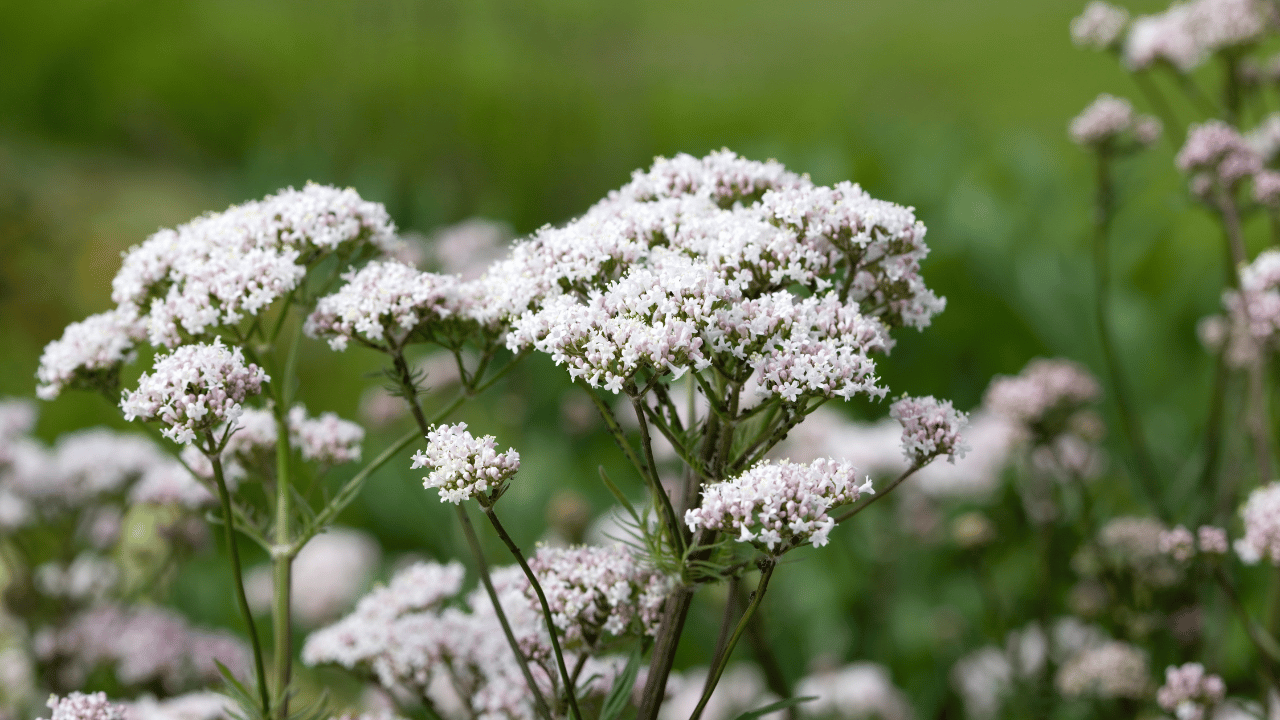
Valerian Root helps some people sleep and makes other people feel terrible! The ancient language of herbalism helps us find the right herbs for your unique constitution.
Building a Complete Herbal Protocol for Stress-Related Insomnia
In my clinical herbal work in Salt Lake City, I rarely use single herbs for insomnia. Sleep is a whole-system event; it requires the nervous system, the HPA axis, the gut-brain axis, and the circadian regulation system to all be moving in the same direction. Effective herbal medicine for sleep works with that complexity.
A well-designed herbal insomnia protocol typically includes:
Morning herbs (to support cortisol awakening, daytime energy, and HPA regulation): Adaptogens throughout the day as a tonic.
Evening herbs (to support the cortisol drop, nervous system downshift, and sleep onset): teas, tinctures, or capsules taken 30–60 minutes before bed.
Before-bed herbs (to support deep sleep architecture and reduce nighttime awakening): often combined in a customized formula.
Daily tonic herbs (taken consistently to rebuild depleted reserves over weeks and months): the slow-acting, deep-working herbs that address the root cause rather than the nightly symptom.
Form matters. Fresh plant tinctures (particularly for skullcap and milky oat) are often significantly more potent than dried herb capsules. Teas have the advantage of ritual and aromatic benefit, particularly for the bedtime wind-down. Capsules offer convenience for consistent daily tonic use. A good herbal practitioner pays attention to form and dosage, not just herb selection.
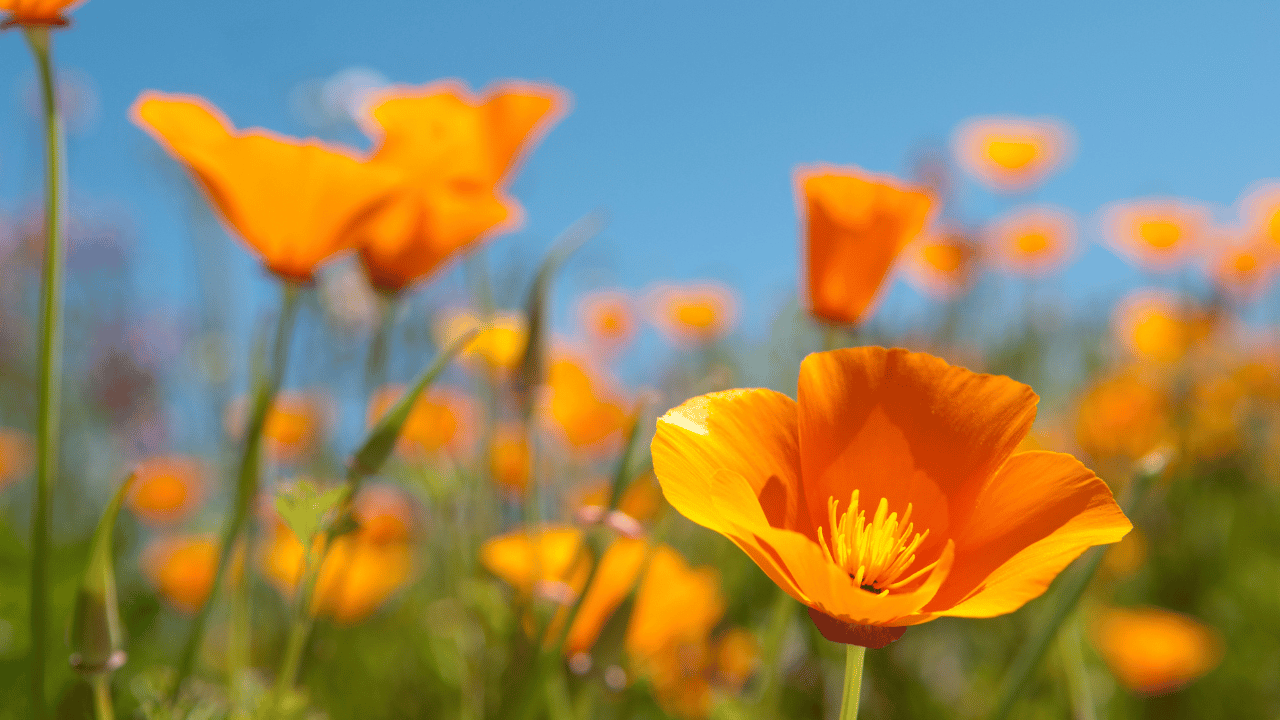
It’s not always obvious that a quiet, low-level, chronic stress is at the root of even the most severe sleep issues.
What Else Works Alongside Herbal Medicine
Herbs do their best work as part of a broader approach to sleep and nervous system health. In my practice, I typically discuss these alongside herbal protocols:
Sleep hygiene fundamentals — consistent sleep and wake times, dark and cool sleeping environment, limiting screens before bed. These are not optional; they are the container within which herbal medicine works.
Blood sugar regulation — relevant particularly for middle-of-the-night awakening. Eating a small protein-fat snack before bed can prevent the blood sugar dip that triggers cortisol release and pulls people out of sleep at 2–3 a.m.
Nervous system practices — breathwork (particularly extended exhale breathing, which directly activates the parasympathetic), yoga nidra, and progressive muscle relaxation all provide real, measurable support for the stress-sleep connection.
Addressing the stress source — herbal medicine supports the nervous system in managing stress better; it does not eliminate the stress. When life circumstances, thought patterns, or unresolved trauma are driving the nervous system dysregulation, working with a therapist or counselor alongside herbal medicine produces dramatically better results.
How Long Does It Take?
This is the question I'm asked most often, and the honest answer is: it depends on the pattern and on how long the dysregulation has been in place.
Acute nervine herbs can produce noticeable effects within the first few uses. These are the herbs that help tonight.
Adaptogens and tonics require consistent use for 4–12 weeks before their full, systemic effects are apparent. These are the herbs that fix the underlying problem.
For most people with stress-driven insomnia, I typically see meaningful improvement in the acute sleep-onset and sleep-maintenance symptoms within 2–4 weeks, with deeper improvements in energy, mood, and the wired-and-tired pattern emerging at the 6–12 week mark. The key is consistency! Herbs taken only when the problem is acute are far less effective than herbs used as daily medicine.

Josh Williams is a traditionally-trained clinical herbalist and herbal educator. He has written two textbooks on herbal medicine and has won Best Herbalist in Salt Lake City for 9 consecutive years.
Working with an Herbalist in Salt Lake City, Utah
If you're in the Salt Lake City area and are recognizing your own sleep pattern in these pages, I'd encourage you not to just pull a few supplements off a shelf and hope for the best. Stress-related insomnia is nuanced. The right herbs for someone who can't fall asleep are not the same as the right herbs for someone who wakes at 3 a.m. every night, or someone running on empty in the wired-and-tired pattern. Getting it right requires understanding the full picture of your stress, your sleep, your health history, and your physiology.
I offer individualized herbal consultations specifically for stress, anxiety, and sleep- with protocols tailored to your exact pattern, your lifestyle, and your goals. Whether you've tried melatonin and found it doesn't touch the real problem, took Valerian Root only to find things got worse (and weird!), you're looking for something more sustainable than pharmaceutical sleep aids, or you simply want a path back to the kind of sleep you used to take for granted- herbal medicine, practiced with clinical precision and genuine care, has an extraordinary amount to offer. Not to mention addressing the root cause of these issues and unwinding stress patterns you may not even be aware of.
Sleep is not a luxury. It is the foundational biology upon which every other aspect of health rests. You deserve to get it back!
Schedule an initial visit and come explore your herbalism at our beautiful clinic located in the historic Avenues neighborhood.