Herbal Medicine for Stress & Anxiety: A Comprehensive Guide from a Salt Lake City Herbalist
If you live along the Wasatch Front, you already know the pace of life here doesn't slow down. Between the early morning ski runs, long commutes on I-15, demanding careers, and the quiet pressures that accumulate in every household, stress has become the ambient soundtrack of modern Utah life. And for many people- whether they're in Sugar House, South Jordan, or downtown Salt Lake City- that stress doesn't stay in the background. It seeps into the body, disrupts sleep, shortens tempers, and over time, breaks down health in ways that are frustratingly difficult to trace back to their root.
As an herbalist specializing in stress, anxiety, and nervous system health here in Salt Lake City, I've worked with hundreds of clients who walked through the door carrying not just anxiety or insomnia, but a whole constellation of conditions that had one thing in common: stress at the root. Digestive issues. Chronic tension headaches. Hormonal disruption. Immune suppression. Skin flares. The body is not a collection of isolated systems- it is one integrated organism, and when stress overwhelms it, the ripple effects go everywhere.
This post is for anyone who is curious about what herbal medicine can really do for stress-rooted conditions. Not a quick list of calming teas, but a substantive look at how plants work, which conditions they address, and what a thoughtful herbal approach to stress actually looks like.
Why Stress Is the Root Condition of Our Time
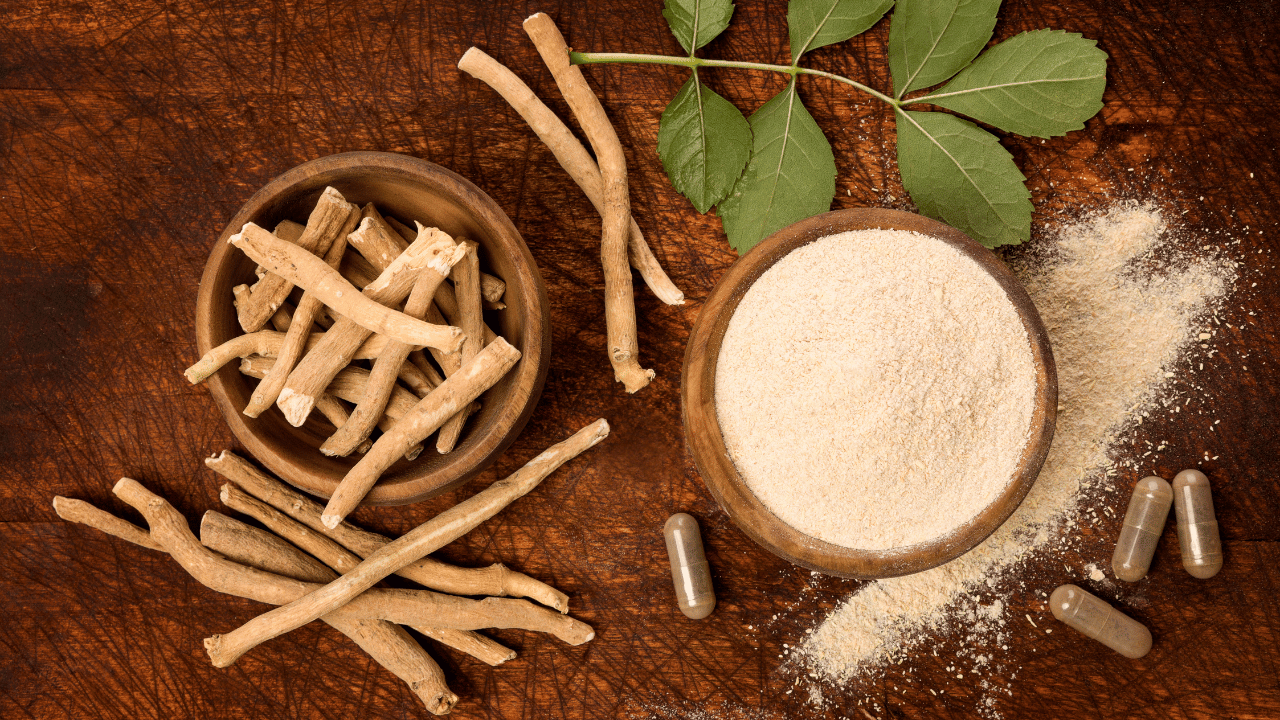
Before we talk about plants, it's worth understanding what we're dealing with. The stress response, the classic fight or flight or freeze or fawn activation of the sympathetic nervous system- is one of the most elegant and essential survival mechanisms in the human body. When a genuine threat appears, cortisol and adrenaline flood the system, heart rate climbs, blood is shunted to the muscles, digestion pauses, and the immune system holds its breath. This response is meant to be brief and decisive.
The problem is that in modern life, the threats never stop. A difficult boss. Financial pressure. Relationship tension. The relentless scroll of alarming news. Social anxiety. Parenting. Caregiving. The nervous system doesn't distinguish between a predator and a passive-aggressive email; it responds to all of it as threat. And when the stress response becomes chronic, it doesn't just cause anxiety. It creates a cascade of physiological downstream effects:
Chronic stress is clinically linked to:
Generalized anxiety disorder (GAD) and panic disorder
Depression and mood dysregulation
Insomnia and sleep disorders
Irritable bowel syndrome (IBS) and other functional digestive disorders
Adrenal fatigue and HPA axis dysregulation
Hormonal imbalances, including disrupted menstrual cycles and low testosterone
Weakened immune response and increased susceptibility to illness
Chronic headaches and migraines
Elevated blood pressure and cardiovascular strain
Skin conditions including eczema, psoriasis, and acne
Cognitive impairment, brain fog, and memory issues
Chronic pain and inflammation
This is the full spectrum of stress-rooted conditions- and herbal medicine has something meaningful to offer across every one of them. Not because herbs are magic, but because plants have co-evolved with human biology for millennia, and some of them have developed extraordinarily sophisticated relationships with our nervous, endocrine, and immune systems.
The Herbalist's Toolkit: Categories of Stress-Relevant Herbs
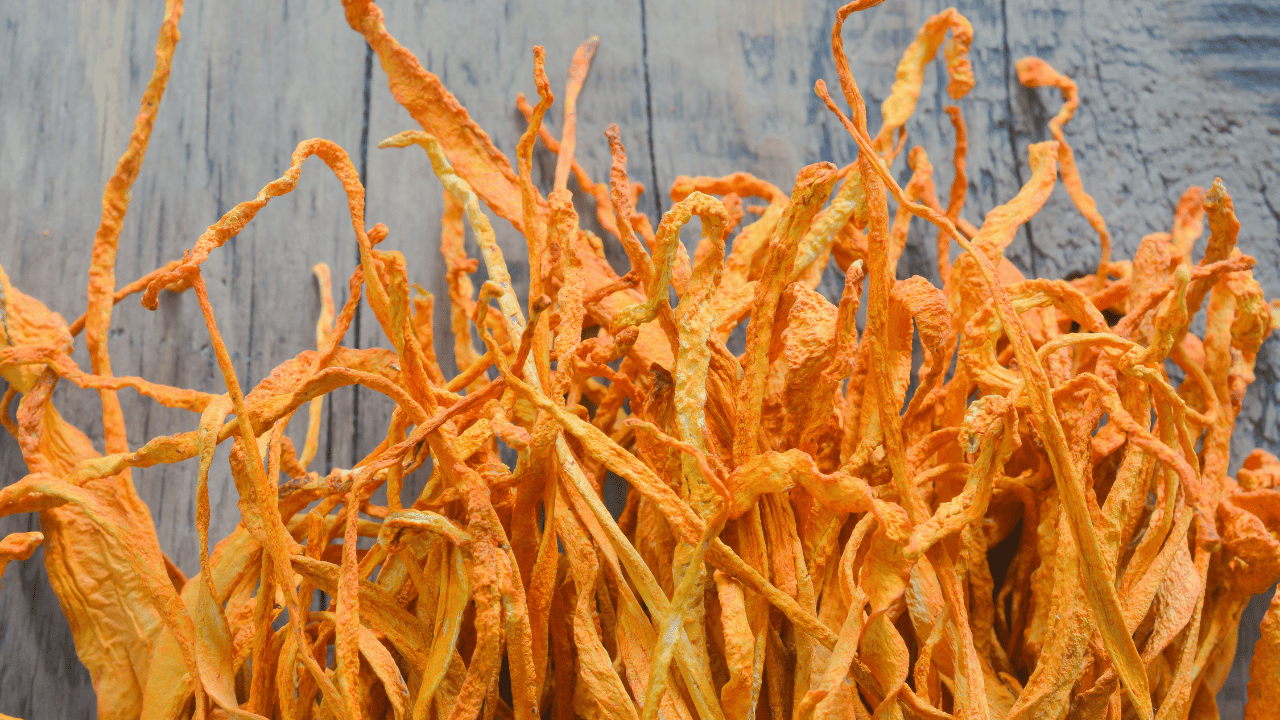
Traditional herbalism and modern phytopharmacology have converged on several broad categories of plants that are particularly relevant to stress and its downstream conditions. Understanding these categories helps explain why herbal protocols for anxiety look different from herbal protocols for adrenal fatigue, even when both are stress-rooted.
Adaptogens · Restoring Resilience at the Root
Adaptogens are perhaps the most important category in any discussion of chronic stress. The term, coined in Soviet pharmacological research in the 1940s and elaborated extensively since, refers to plants that non-specifically increase the body's resistance to stress- without overstimulating or sedating, and without producing dependency.
What makes an adaptogen an adaptogen is its ability to modulate the HPA axis (hypothalamic-pituitary-adrenal axis); the body's central command center for the stress response. When the HPA axis is chronically activated, cortisol output becomes dysregulated, energy crashes, immunity weakens, and mood destabilizes. Adaptogens help normalize this system over time, building genuine physiological resilience rather than simply masking symptoms.
Nervines · Direct Support for the Nervous System
While adaptogens work over time to build systemic resilience, nervines work more directly and often more immediately on the nervous system itself. This category breaks down into three subcategories: nervine tonics (which nourish and restore nervous tissue over time), nervine relaxants (which reduce tension and anxiety), and nervine stimulants (which uplift and animate a depleted system). A well-crafted herbal formula for anxiety or stress often includes herbs from more than one of these groups.
Nervine Trophorestoratives · Rebuilding a Depleted Nervous System
Beyond the relaxants and adaptogens lies a smaller, deeply important category: herbs that actually nourish and rebuild nervous tissue over time. These are indicated for the person who has been under chronic stress for months or years- whose nervous system is not just tense but depleted, foggy, and slow to recover.
Digestive Nervines · The Gut-Brain Axis
One of the most important and underappreciated dimensions of stress medicine, herbal or otherwise, is the gut-brain axis. Approximately 95% of the body's serotonin is produced in the gut. The enteric nervous system, which governs digestive function, is so complex and autonomous that it is often called the "second brain." And when stress is chronic, it dysregulates digestive function in ways that then feed back to worsen anxiety, mood, and cognitive function.
Herbal medicine has a long tradition of working specifically at this intersection- herbs that calm both the mind and the gut simultaneously.
Stress-Rooted Conditions : Herbal Approaches Condition by Condition
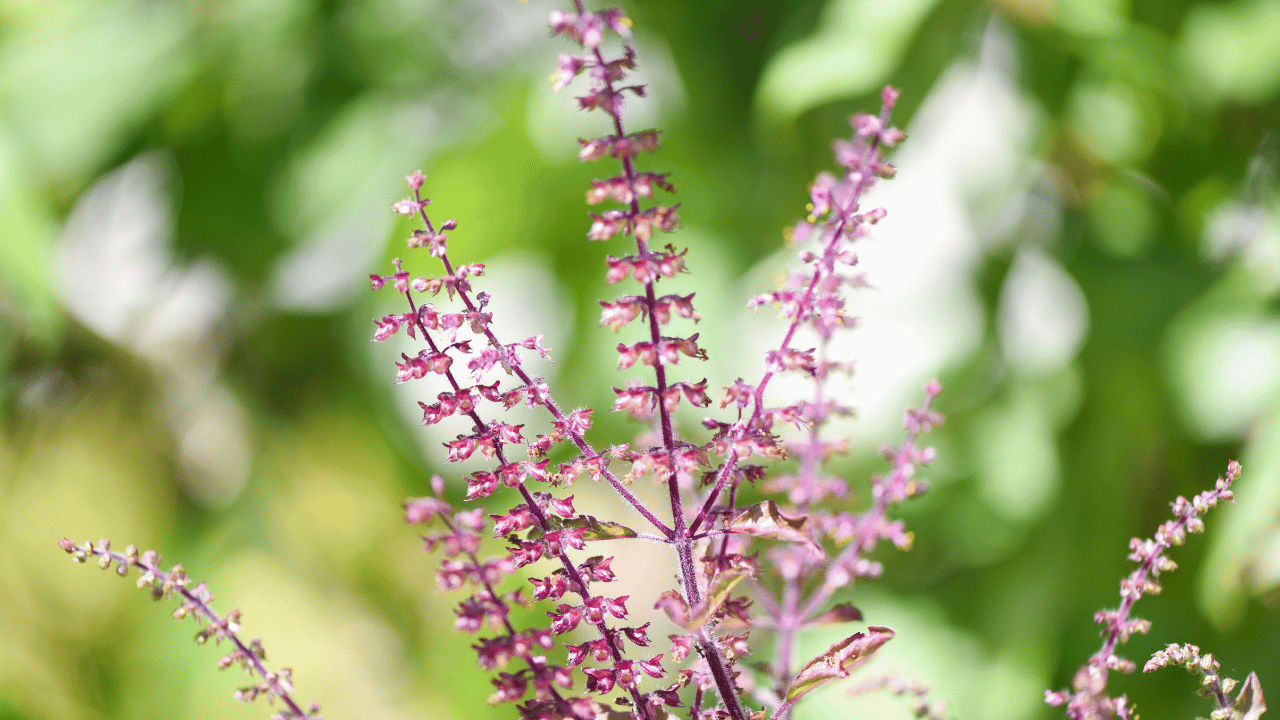
Understanding the categories is foundational- but in clinical practice, the question is always "what does this person need?" Let me walk through the most common stress-rooted conditions I address in my Salt Lake City herbal practice and sketch the general herbal approaches to each.
Anxiety Disorders & Panic
The herbal approach to anxiety is not "take something to feel calm." It's a multilayered strategy: nervine relaxants for acute relief, adaptogens for systemic cortisol regulation, nervine tonics for nervous system nourishment, and digestive nervines for the gut component. For someone with panic disorder, herbs like passionflower, lemon balm, and skullcap form a core; for someone with high-cortisol, wired anxiety, ashwagandha and rhodiola address the adrenal component.
Insomnia & Sleep Disorders
Stress is the single most common cause of insomnia, and the herbal toolkit for sleep is rich. Passionflower and valerian form the evidence-based core; lavender, lemon balm, and chamomile round out a well-targeted formula. For insomnia driven by cortisol dysregulation (the classic "wired at midnight" pattern), adaptogens taken during the day reduce nighttime cortisol and begin to restore normal circadian rhythmicity over several weeks.
Depression & Mood Dysregulation
The overlap between stress and depression is profound- chronic cortisol elevation actually damages the hippocampus, reduces BDNF (brain-derived neurotrophic factor), and disrupts serotonin signaling. Herbal support for stress-rooted depression includes St. John's Wort (with appropriate screening for drug interactions), saffron (Crocus sativus, with impressive clinical evidence for mild-moderate depression), adaptogens to reduce the cortisol burden, and lion's mane to support neuroplasticity and recovery.
Adrenal Fatigue / HPA Axis Dysregulation
Often presenting as crushing fatigue, poor stress tolerance, low mood, salt cravings, light-headedness on standing, and immune suppression, HPA axis dysregulation is one of the most commonly underdiagnosed consequences of chronic stress. Herbal support centers on adaptogens- particularly ashwagandha, eleuthero, and rhodiola- combined with adrenal-supporting herbs like licorice root and the rejuvenating Ayurvedic tonic shatavari (Asparagus racemosus).
Hormonal Imbalance
Chronic stress suppresses the production of sex hormones by diverting precursors toward cortisol production (a phenomenon sometimes called "pregnenolone steal"). For women, this can manifest as disrupted menstrual cycles, worsened PMS, and perimenopause amplification. For men, it often shows up as low testosterone, poor libido, and reduced vitality. Adaptogenic herb, particularly ashwagandha for testosterone support and shatavari for female reproductive hormone support, form the core of the hormonal approach, alongside nervines to reduce the ongoing cortisol burden.
Digestive Disorders (IBS, Nervous Gut)
The gut-brain axis is the explanatory bridge here, and the herbal approach works at both ends. Nervines that have a particular affinity for the enteric nervous system- chamomile, lemon balm, fennel- relax gut spasm and reduce inflammation. Adaptogens reduce systemic cortisol. And demulcent herbs like marshmallow root (Althaea officinalis) and slippery elm (Ulmus rubra) soothe inflamed gut mucosa that stress has irritated.
Immune Suppression
Chronic cortisol is a potent immunosuppressant. People under prolonged stress get sick more often, heal more slowly, and are more susceptible to autoimmune flares. Adaptogenic mushrooms; reishi (Ganoderma lucidum), turkey tail (Trametes versicolor), and lion's mane- offer both adaptogenic stress-buffering and direct immunomodulatory support. Eleuthero, astragalus (Astragalus membranaceus), and echinacea (in acute use) round out immune-supportive herbal protocols.
Chronic Tension Headaches & Migraines
Stress-triggered headaches respond well to herbs that address both the nervous system tension and the vascular component. Feverfew (Tanacetum parthenium) has the strongest evidence for migraine prevention; butterbur (Petasites hybridus) has also shown efficacy. For tension headaches, herbs like skullcap and valerian address the nervous system tightness that underlies the condition, while anti-inflammatory herbs like turmeric (Curcuma longa) and ginger reduce the inflammatory component.
Skin Conditions
The skin-stress connection is mediated by both cortisol (which suppresses immunity and drives inflammation) and the gut-skin axis. Calendula (Calendula officinalis), burdock root (Arctium lappa), and red clover (Trifolium pratense) are among the herbs with traditional and emerging evidence for stress-related skin conditions. Systemic adaptogens that reduce the cortisol load are often the most impactful long-term intervention for chronic stress-driven skin flares.
What to Expect from Herbal Medicine for Stress
One of the most important things I communicate to new clients at my Salt Lake City herbal practice is that herbs are not pharmaceuticals, and the expectations need to be calibrated accordingly- but not diminished.
Adaptogens work over time. Most adaptogens require consistent use for 4–12 weeks before their full effects are apparent. They are building physiological resilience, not delivering a chemical override. This is a strength, not a limitation — the changes they produce are lasting and systemic.
Nervine relaxants can work within 30–60 minutes for acute stress and anxiety. Passionflower, lemon balm, and lavender all have demonstrable acute effects on the nervous system.
The whole person matters. Effective herbal medicine for stress is always accompanied by attention to sleep, movement, nutrition, and the life circumstances driving the stress. Herbs do their best work as partners to lifestyle and, when needed, psychotherapy- not as standalone replacements for those things.
Individual variation is real. Two people with anxiety may need very different herbal protocols depending on whether their anxiety is hot and wired or cold and depleted, whether it shows primarily in the gut or in the muscles, and what else is going on in their physiology. This is why working with an experienced clinical herbalist produces significantly better results than self-selecting herbs based on general information.
Working with an Herbalist in Salt Lake City
If you're in the Salt Lake City area and you're ready to move beyond the generic "stress bundle" from the supplement aisle and toward a genuinely personalized approach to your nervous system health, I'd love to connect with you.
At HerbalistJosh.com, I offer individualized herbal consultations for the full spectrum of stress-rooted conditions- from anxiety and insomnia to adrenal burnout, hormonal disruption, and the digestive fallout of a nervous system under siege. My approach draws on both the Western herbal tradition and Ayurvedic principles, always grounded in the best available clinical evidence.
Living in Utah means living in a landscape full of medicinal plants from the elder and yarrow in the canyons to the wild rose along the foothills. There is something fitting about addressing a body under modern stress with the intelligence of plants that have been part of this land, and this human story, for thousands of years.
Ready to start? Book a consultation or reach out with questions. Stress-rooted conditions are rarely simple, but they are almost always addressable. And herbal medicine, practiced thoughtfully and with respect for individual complexity, offers a path toward genuine resilience.

Josh Williams, MAMH
Clinical Herbalist & Educator
Josh is a traditionally-trained clinical herbalist and herbal medicine educator in Salt Lake City, Utah. He’s the author of two texbooks on the subject of traditional herbalism, has been voted Best Herbalist in Utah since 2018 by City Weekly, and is in full-time private practice at Flow Acupuncture & Apothecary. He is a professional member of the Association of Master Herbalists.
Josh offers in-clinic and virtual appointments for clients who are eager to engage with the herbs in support of calm strength and dynamic resilience.