The Case for Personalized Clinical Herbalism
Why Some Herbal Remedies Don’t Work for Some People: The Case for Personalized Clinical Herbalism
Using valerian as a lens on why the same plant helps one person deeply and aggravates another, and why the wisdom of an experienced clinical herbalist changes everything
If you have ever tried an herbal remedy that a friend swore by, only to find it did nothing for you, or worse, actually made things worse, you are far from alone. This is one of the most common experiences I hear about in my clinical herbal practice in Salt Lake City. Someone was struggling with sleep, or anxiety, or fatigue, or low mood. They researched. They read the studies. They bought the reputable product. They took it faithfully. And it did not work. Or it worked briefly and then stopped. Or, in some cases, it made the very issue they were trying to address feel sharper and more difficult.
The frustration of this is real, and I want to spend some time here explaining why it happens. Because the reason is not that herbal medicine has failed you. The reason is that a plant that would be perfect for one person can be entirely wrong for another, and picking herbs off a shelf, however reputable the source, is not the same thing as personalized clinical care. The tradition of herbalism has always known this. It is the foundation of the whole practice. And it is exactly what a skilled clinical herbalist offers.
Let me walk you through why this is true, and let me use one particular plant, valerian, as the example throughout, because it illustrates the principle beautifully.

Clinical Herbalist Josh Williams at Flow Acupuncture & Apothecary in Salt Lake City, Utah
Meet Valerian, the Herb That Loves Some People and Fights Others
Valerian is one of the most well-known and widely-used herbs for sleep in the Western world. Walk into any pharmacy, health food store, or grocery aisle with a supplement section, and you will find valerian in capsules, tinctures, and teas. It has a genuine and long history of traditional use, going back to at least the ancient Greeks and Romans, and modern research has confirmed some of what herbalists have known for centuries. For many people, valerian genuinely does support sleep. It settles the nervous system, eases the transition into rest, and helps the body find its way into deeper stages of sleep.
But here is what does not appear on most product labels. In a meaningful portion of the population, valerian does something entirely different. Instead of calming the nervous system, it stimulates it. Instead of easing the person into sleep, it winds them up. Instead of quieting a busy mind, it makes the mind race harder. People who experience this paradoxical response often describe feeling jittery, restless, wired, or even mildly agitated after taking valerian. Some describe worsening insomnia. Some describe vivid, chaotic dreams. Some describe waking through the night more often, not less.
This is not a rare or fringe response. It is documented enough that it has its own name in the literature. Paradoxical stimulation. And it is one of the clearest illustrations of a principle that runs through all of clinical herbalism. The plant is not the medicine. The plant matched to the person is the medicine.
Why Valerian Helps Some and Aggravates Others: A Look Through Traditional Lenses
The traditional herbal understanding of why this happens is elegant, and it has held up remarkably well as modern research has caught up.
Valerian is understood as a warming, drying, and moving herb. It moves stagnation. It warms cold, sluggish patterns. It pushes energy through the body. For the person whose sleeplessness comes from a cold, damp, stagnant pattern, with a heavy body, a sluggish mind, difficulty getting going, and a nervous system that feels stuck in a low, unmoving place, valerian moves things beautifully. It warms and mobilizes what has been frozen. Sleep comes easier because the whole system finally has some flow.
But for the person whose sleeplessness comes from the opposite pattern, a hot, dry, over-activated system, valerian is adding heat to heat. Their nervous system is already running hot. Their thoughts are already racing. Their body is already dry and tight. Adding a warming, moving herb pours fuel on a fire that is already burning. The result is the paradoxical response so many people report. They feel worse, not better.
This is why the same plant can be a beloved ally for one person and a real problem for another. The plant has not changed. The plant meeting the wrong person is simply the wrong match.
Constitution and Temperament: The Ancient Wisdom Modern Culture Forgot
The word constitution, in the herbal sense, refers to the baseline pattern of a person's body and mind. It is the tendency you were born with, refined by the life you have lived, that shapes how you respond to almost everything, including plants.
Some people run naturally warm. Others run naturally cool. Some are dry and quick and mobile. Others are damp and slow and settled. Some hold tension in the muscles and the jaw. Others hold heaviness in the belly and the limbs. Some have racing minds. Others have foggy ones. These patterns are not moral qualities. They are simply how each of us is built, and they shape which herbs will feel like allies and which will feel like adversaries.
Traditional herbal cultures across the world all recognized this in some form. The Greek humoral tradition, Ayurveda, Chinese medicine, European folk herbalism, and countless indigenous herbal traditions all developed careful ways of understanding constitution and matching plants to it. They knew, from centuries of accumulated observation, that a warming herb for a cool constitution and a cooling herb for a warm one were not just preferences. They were the difference between medicine and mismatch.
Modern culture has largely forgotten this. We treat herbs the way we treat pharmaceuticals, as active ingredients that do a particular thing regardless of who takes them. But that is not how plants work, and it is not how bodies work. The recovery of this traditional discernment is one of the most important gifts a clinical herbalist brings to their clients.
The Pattern Also Matters: Insomnia Is Not One Thing
Beyond constitution, the pattern of the specific concern matters enormously. Even two people with warm constitutions can have very different sleep problems, and the right herbs for each of them will be different.
Consider how many kinds of insomnia there actually are. Some people cannot fall asleep because their mind races the moment their head hits the pillow. Others fall asleep easily but wake at two or three in the morning and cannot return. Some sleep through the night but wake exhausted, as if sleep barely touched them. Some sleep too lightly, roused by every small sound. Some have vivid, disturbing dreams. Some have no dreams at all. Some cannot sleep during grief. Some cannot sleep during hormonal shifts. Some cannot sleep because their nervous system has been in high alert for so long that rest itself has become foreign.
Traditional herbalism looks at all of these as distinct patterns, each calling for a different approach. The person who cannot fall asleep because their mind races needs support that quiets the mind. The person who wakes at three in the morning likely has a different pattern involving the liver, the blood sugar, or the emotional processing that happens in the deep hours. The person who wakes exhausted needs support for the deeper restorative stages of sleep, which is a different question again. Valerian may or may not fit any of these patterns, depending on the constitution of the person carrying them.
This is what personalized clinical care is built to see. Not the label of insomnia, but the specific pattern of your specific insomnia, in the specific body you are living in.
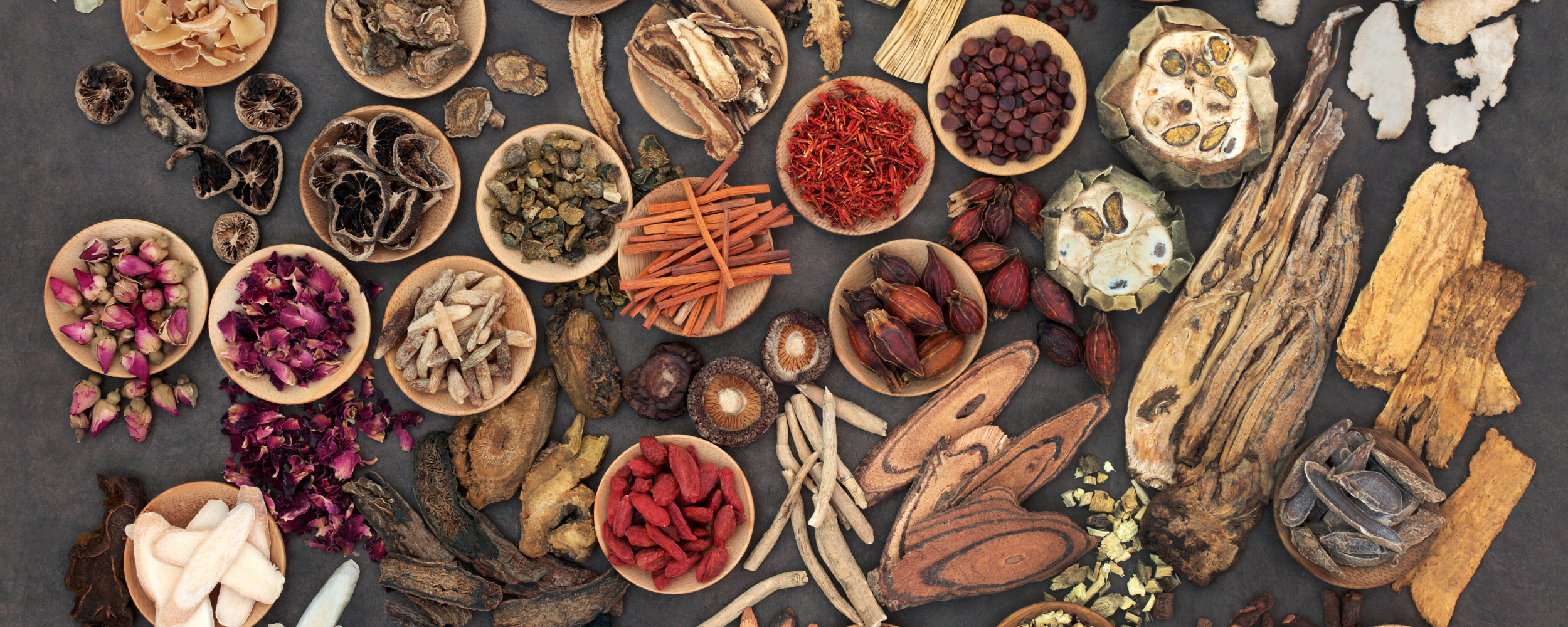
What an Experienced Clinical Herbalist Actually Does
If you have never worked with a clinical herbalist, it can be hard to picture what the work actually involves. Let me describe it briefly, using sleep as the example, though the same principles apply to any concern.
In an initial session, we spend time understanding not just the symptom but the whole picture. What is the pattern of your sleep. What is your constitution. What is your daily rhythm and stress load. What is your history. What medications and supplements are you taking. What have you tried, and how did each thing feel. What does your body tell you when you listen to it. What does your energy do through the day. How does your digestion respond to stress. Where do you hold tension. What is happening in your life right now.
From all of this, a picture forms. Not a diagnosis in the medical sense, but a pattern. A pattern that most people never see about themselves because they have not been asked the right questions. Once the pattern is visible, the choice of herbs becomes clear. Not from a list of what is popular, but from what will actually meet you where you are. A custom formula is compounded, often right there in the apothecary, made from herbs that have been chosen specifically for your pattern and constitution.
Then we talk about how to take it, what to notice, what practices might support it, and when to come back so we can refine the formula based on how you have responded. Because your body is not static. Your pattern will shift as you heal, and the formula shifts with it. This is what real herbal care looks like. It is a relationship, not a transaction.
Why the Wrong Herb Is More Than a Missed Opportunity
I want to be honest about something that does not get said enough. The wrong herb is not just a missed opportunity. It can actively make things worse.
I meet clients often who have been trying popular herbal remedies for months or years without success, and along the way have developed a quiet distrust of herbal medicine. They tried valerian and it made them agitated. They tried ashwagandha and it made them tired instead of energized. They tried St. John's Wort and their mood dipped further, or they had a strange interaction with another medication. They tried this and that and became convinced that herbs simply do not work for them.
Almost every time, the problem is not that herbs do not work. The problem is that the wrong herbs were tried for the wrong reasons, without the discernment to see what would actually match the person taking them. Working with a skilled clinical herbalist repairs this. The mismatches stop. The formulas actually fit. The person begins to experience what herbal medicine feels like when it is done well, which is often profoundly different from anything they encountered on their own. And they begin to trust their body's responses again, because the responses finally match what was intended.
The Value of Experience
There is one more piece to this, and it is worth naming directly. The discernment required to match plants to people well is not something you learn overnight, and it is not something you can look up. It comes from years of study combined with years of clinical practice, seeing patient after patient, watching how different bodies respond to different plants, refining the pattern recognition again and again.
An experienced clinical herbalist has seen dozens of variations of the pattern you are carrying. They have watched a particular constitution respond to a particular formula many times, and they have watched what happens when the fit is off. They have developed the sense, honed by hundreds of clinical encounters, of which subtle differences matter and which do not. This kind of experience is not something a book, a search engine, or a well-marketed product can replicate. It is the accumulated wisdom of practice, and it is one of the most valuable things a client receives when they work with a seasoned practitioner.
For my own practice, this discernment has been built through more than twenty five years of study of the plant world and more than a decade of one-on-one clinical work with clients here in Salt Lake City. That accumulation is what I bring into every session, and it is what allows the formulas I compound to actually fit the person receiving them.
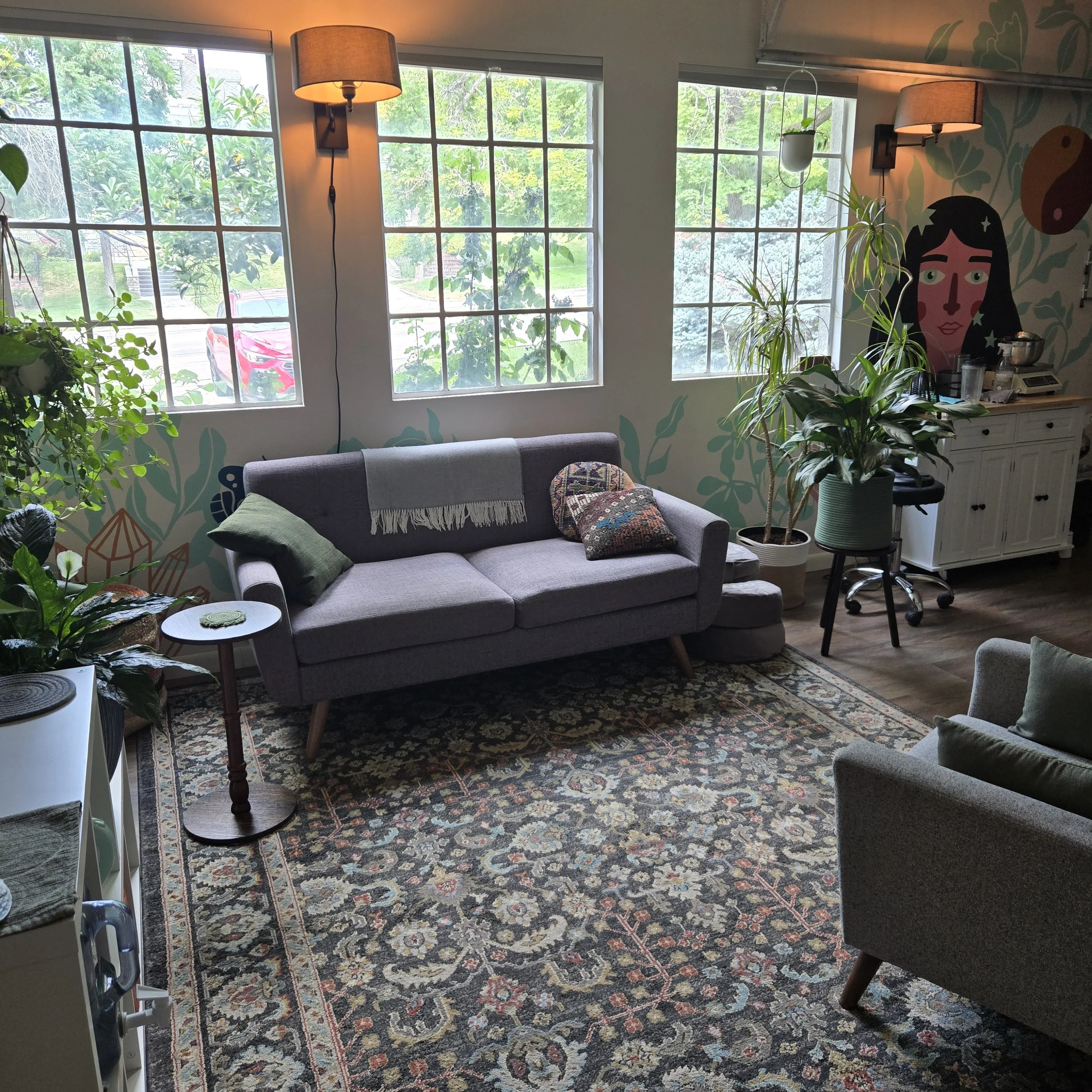
An Invitation to Exceptionally Real Herbal Care
If you have tried herbal remedies without success, please do not conclude that herbal medicine is not for you. The plants have been helping human beings heal for as long as we have records, and they are entirely willing to help you too. What may not have worked is the modern, generic, off-the-shelf approach, which is a very small piece of what herbal medicine actually is.
Real herbal care is personal. It sees you, your body, your constitution, your pattern, your story. It compounds a formula specifically for you. It walks with you over time and adjusts as you shift. And it is remarkably effective when it is done with skill, care, and the accumulated wisdom of practice.
If you are ready to experience what that kind of care feels like, I would be honored to meet you.