The Meditation of Herbal Medicine
There’s a deep truth that many herbalists eventually discover… not always through books, but through actual everyday, hands in the soil, tea in the cup kinds of practice…
Herbal medicine is not only something we receive.
It is something we can meet.
A cup of tea can be just a remedy, or it can become a relationship. A tincture can be simply a tool, or it can become a doorway into deeper listening. When we pair even the simplest meditation practices with herbal medicine, something begins to shift. The herbs work on the body, yes, but they also begin to work on the attention, the intuition, and the spirit.
This isn’t about making herbalism complicated. It’s about making it more alive.
Herbal Medicine as a Moment of Presence
For many people, meditation can feel like a high bar. We imagine long periods of silence, perfect posture, and a mind free of thought.
But meditation, at its root, is simply learning to be present.
Herbal medicine offers a natural anchor for this. It gives us something tangible: warmth, aroma, taste, sensation. It invites us into the moment through the body. And in a world where many of us are overworked, overstimulated, and disconnected from our own rhythms, the humble act of preparing herbs can become a practice of returning.
You don’t need to overhaul your life. You only need to begin noticing what’s already there.
A Simple Practice: The Tea Meditation
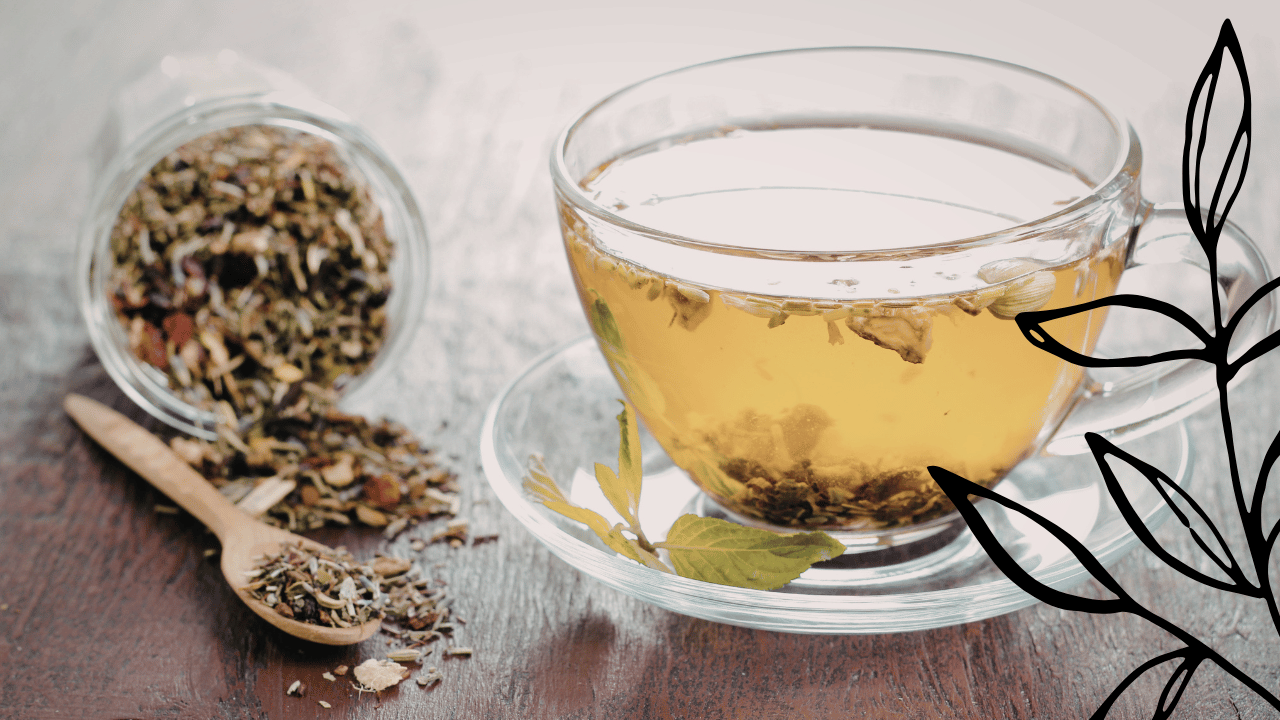
One of the easiest ways to weave meditation into herbal medicine is through tea.
Next time you make a cup, don’t multitask. Don’t rush past it. Instead, treat it as a small ritual of attention.
As the water heats, notice the sound.
As the herb steeps, breathe in the scent.
As you sip, feel the warmth move into your chest and belly.
Then ask yourself:
Where do I feel this plant in my body?
What does my nervous system do as I drink it?
What mood does it bring?
What does it seem to offer?
This isn’t imagination in the shallow sense. It’s a deep sensory listening; one that herbalists have practiced for generations, whether they called it meditation or not.
Even five minutes of this kind of tea-drinking can become profoundly regulating. The plant becomes more than an ingredient. It becomes a companion in your healing.
Sitting With the Living Plant While You Drink
If you want to take this a step further, try something even more direct:
Sit with the living plant while you drink its tea.
If you’re drinking nettle, sit near nettles.
If you’re drinking chamomile, sit by the chamomile patch.
If you’re working with pine, sit beneath pine boughs.
Bring your cup outside, find a comfortable seat, and simply be with the plant in its home.
This is an old kind of knowing. It’s not abstract. It’s experiential.
You may notice things you’ve never noticed before: the shape of the leaves, the way the plant grows toward light, the smell of the soil around it, the insects that visit. In time, you may also begin to notice subtler impressions- shifts in mood, emotion, memory, and inner imagery.
This is one of the most grounded forms of plant spirit work because it is based on reality: you are literally sitting with the plant, in relationship, with humility and attention.
Breathwork as an Herbal Ally
Sometimes the most powerful pairing is not between two plants, but between a plant and your breath.
Try this: drink your tea slowly and practice a gentle breathing rhythm.
A simple pattern is:
Inhale for 4 counts
Exhale for 6 counts
Do this for a few minutes while you sip.
Longer exhales tell the nervous system: you are safe.
And many herbs, especially calming allies like lemon balm, skullcap, oatstraw, and lavender seem to land more deeply when the body is receptive.
In this way, meditation becomes the soil. The herb becomes the seed. Together, they take root more easily.
Walking Meditation: Nature as the Herbal Classroom
Another beautiful way to dovetail meditation and herbal practice is through nature walks.
You don’t need a grand wilderness. A neighborhood path, a park, even a quiet street lined with trees can become a place of practice.
Try walking slowly and letting your attention soften. Instead of thinking about nature, practice being with it.
Notice:
the wind moving through leaves
birdsong and distant sounds
the feel of the earth beneath your feet
the scent of plants in the air
You might pause and ask:
Who is growing here?
What plants thrive in this place?
What does this landscape want to teach me?
Some of the most important lessons in herbalism come this way not from information, but from intimacy.
The Power of Repetition: Making It a Daily Thread
The true magic isn’t in doing an elaborate practice once.
It’s in doing something small, consistently.
A two-minute pause with your tea each morning.
A quiet moment with a tincture before bed.
A weekly walk where you greet the plants you know by name.
These small acts build a kind of inner bridge. Over time, your herbal routine stops being something you “fit in,” and starts becoming something that holds you together.
And perhaps most importantly: it restores reverence.
Not performative reverence. Not aesthetic ritual. But real reverence- the kind that comes from remembering that healing is not mechanical. It is relational.
A Grounded Way to Work With Plant Wisdom
When meditation and herbal medicine meet, we begin to engage the plants on multiple levels:
physical support for the body
emotional regulation through scent and sensation
nervous system nourishment through presence
deeper intuitive listening through relationship
This is not about abandoning science or common sense. It’s about adding something that modern culture often lacks: attention.
And attention, when given consistently, becomes a medicine of its own.
Closing Thoughts: The Tea Is a Doorway
Herbs have always been more than chemistry. They are living beings shaped by wind, sun, soil, and season. When we approach them with presence, the work changes.
We stop asking only: What does this herb do?
And begin asking: Who is this plant, and what is it like to be in relationship with it?
That question alone can transform a simple cup of tea into a daily act of reconnection.
Join Me for Tea
If you’d like support in building a personal relationship with the plants, exploring plant spirit practices, or receiving guidance in your herbal path, I invite you to connect with me.