Poor Air Quality and Stress: How Smoke, Inversion, and Pollution Strain the Whole Body (and How Herbal Medicine Can Help)
When most people think about poor air quality, they think about the lungs: coughing, congestion, asthma flares, scratchy throats, or that heavy feeling in the chest.
But the truth is, breathing polluted air doesn’t just irritate the respiratory system… it can create a full-body stress response that impacts mood, energy, immunity, sleep, and overall resilience.
In many ways, poor air quality behaves like an invisible environmental stressor: the body senses danger, ramps up inflammation, and shifts into survival mode. Over time (or even after a few days), this can leave you feeling tired, wired, foggy, reactive, and depleted.
Let’s explore why that happens—and how herbal medicine can support the body through it.

How Poor Air Quality Creates Stress in the Body
When air quality drops due to wildfire smoke, ozone, industrial pollution, or urban smog, the body is exposed to fine particles and irritating gases. The smallest particles (often called PM2.5) are especially problematic because they can reach deep into the lungs and even cross into circulation.
This isn’t just a surface irritation- it’s a biological alarm.
The body responds to polluted air like a serious threat…
Your nervous system and immune system interpret poor air quality as a hostile environment. This triggers a cascade of stress chemistry:
inflammatory cytokines rise
cortisol patterns become disrupted
oxidative stress increases
the nervous system becomes more reactive
Even if you don’t feel sick, the body may still be working harder behind the scenes.
This helps explain why air pollution is linked not only to respiratory issues, but also to fatigue, mood instability, brain fog, and lowered immune resilience.
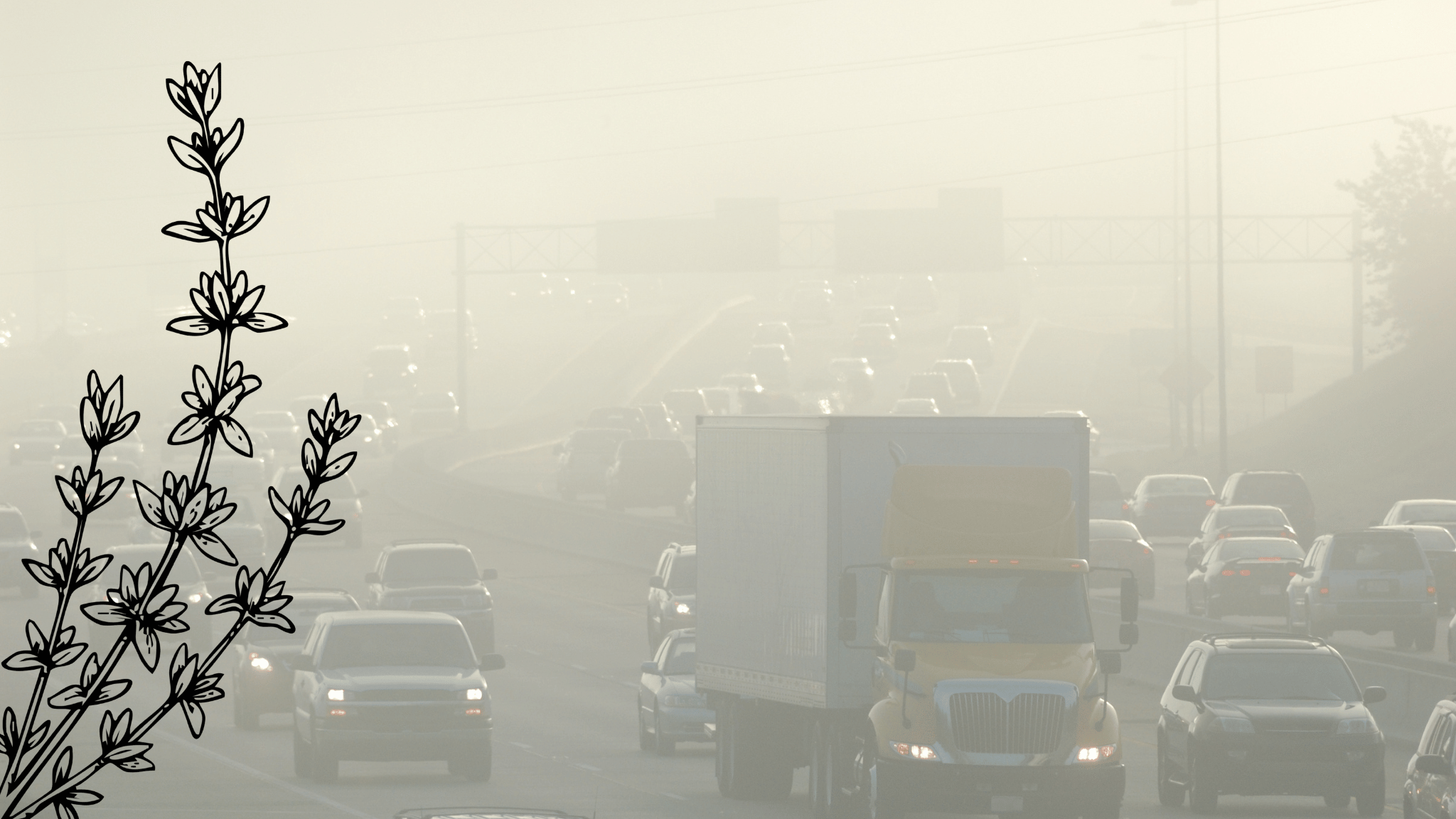
How Poor Air Quality Impacts More Than the Lungs in Salt Lake City
Respiratory irritation and inflammation
This is the obvious one: the airways become inflamed, mucus thickens, and the lungs have to work harder to clear debris. Symptoms often include:
dry cough
scratchy throat
sinus pressure
wheezing or tight chest
shortness of breath
asthma flare-ups
Herbalists often describe this as the lungs becoming overburdened or congested with heat and dryness.
Nervous system stress and mood changes
Poor air quality can create subtle but real neurological effects. People often report:
anxiety or irritability
restless sleep
mental fatigue
feeling emotionally on edge
difficulty concentrating
There are multiple reasons for this. One is simple: the brain is extremely sensitive to inflammation and oxidative stress. Another is that when oxygen exchange becomes less efficient, the nervous system can shift into a more reactive state.
Even mild breathing difficulty can signal the body to stay alert, increasing sympathetic nervous system activity (fight-or-flight).
Immune depletion
Your immune system must respond to inhaled pollutants like it would to an invading force. This can lead to a paradox:
immune activity increases in the short term
immune reserves become strained over time
Many people notice that after a stretch of wildfire smoke or pollution, they become more susceptible to colds, lingering coughs, or recurring sinus issues.
Fatigue and low energy
When your lungs and detoxification pathways are taxed, energy production often drops. The body diverts resources away from vitality and toward defense.
This can show up as:
heavy fatigue
sluggish digestion
dull headaches
low motivation
brain fog
Air quality stress is not always dramatic—it’s often quietly exhausting.
Systemic inflammation and whole-body strain
Pollutants don’t just stay in the lungs. The inflammatory signals they trigger can spread through the bloodstream, impacting joints, skin, circulation, and metabolic health.
That’s why some people notice:
increased muscle tension
flares of inflammatory conditions
headaches or migraines
skin irritation
general malaise
The lungs may be the entry point, but the entire system is affected.
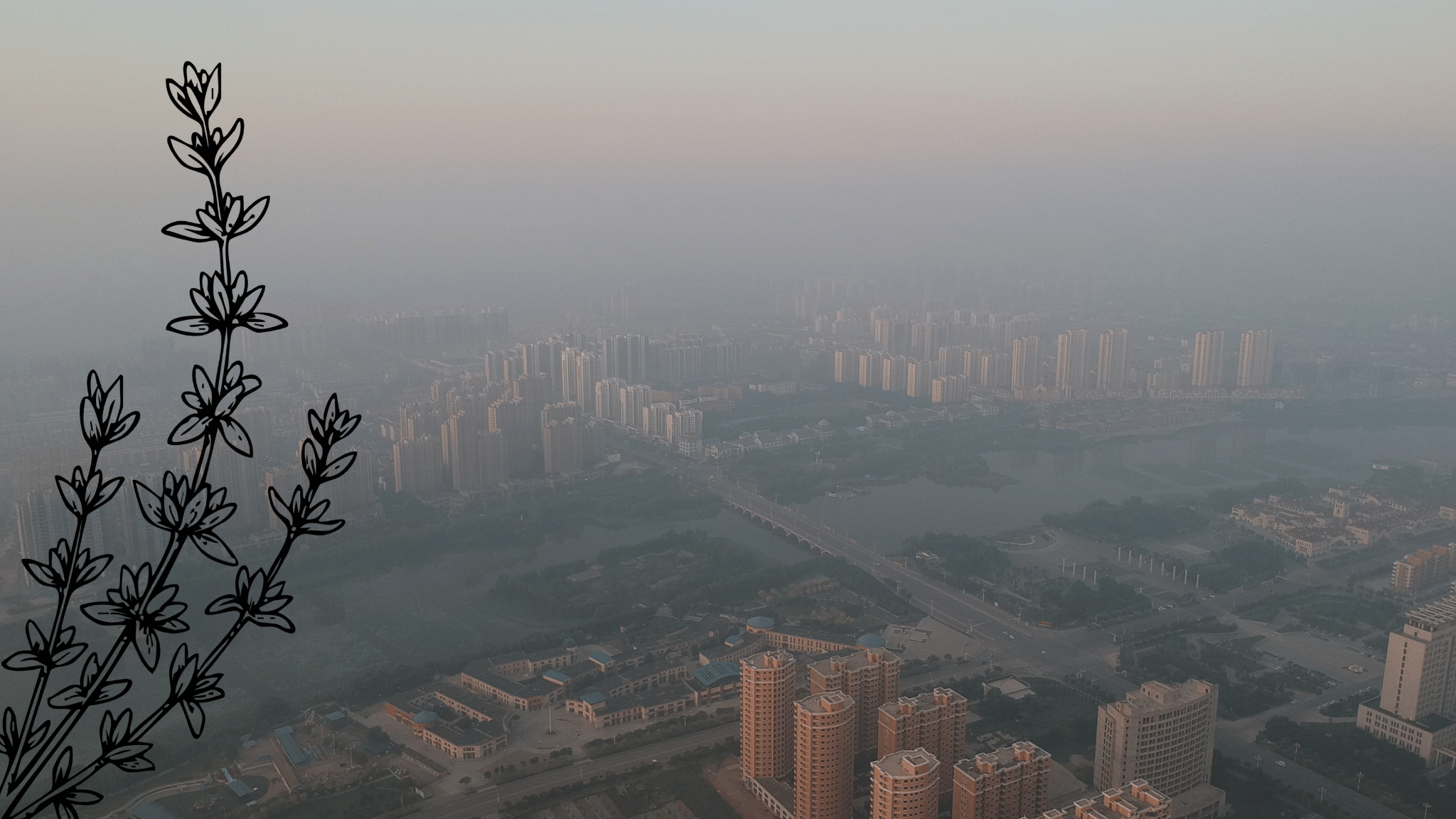
A Salt Lake City Herbalist’s Perspective: The Lungs and the Nervous System Are Deeply Connected
In many traditional systems of herbal medicine, the lungs are not viewed as separate from emotional and nervous health.
When breathing is restricted, the body naturally becomes guarded. When the lungs are irritated, the nervous system becomes reactive. When oxygen intake is compromised, mental clarity and emotional resilience decline.
This is why supporting respiratory health during poor air quality is not just about breaking up mucus, it’s also about calming inflammation, cooling irritation, and nourishing the stress response.
Herbal Medicine Strategies for Supporting the Body During Inversion
Herbal support during smoke or pollution exposure generally falls into four major goals:
soothe irritated tissues
support mucus clearance and lung function
reduce oxidative stress and inflammation
calm and nourish the nervous system
Let’s explore what that can look like…
Demulcent Herbs: Soothe Dryness and Irritation
Demulcent herbs coat and soothe irritated mucous membranes- especially helpful when smoke causes scratchy throat, dry cough, or raw-feeling lungs.
These herbs are often gentle enough for most constitutions and can be used as teas, syrups, or cold infusions. I prepare these herbs in formulation so that they speak directly to your unique constitution, other health concerns you may be dealing with, and the season itself.
Lung Trophorestoratives: Rebuild and Strengthen Respiratory Tissue
Some herbs are especially valuable not only for symptom relief, but for long-term lung restoration; helping respiratory tissues recover after irritation. I work with these herbs long-term in most clients to help nourish, protect, rebuild, and support the delicate tissues that make up the respiratory system. For folks who live in the Salt Lake valley, these herbs can be incredible allies in helping us stay well through the seasons.
Expectorants: Help the Body Clear Smoke and Congestion
When the lungs are exposed to pollution, they often respond by producing thicker mucus. While mucus is protective, it can become stagnant and hard to clear. Many of the most troubling symptoms of poor air quality come from the intelligence of the body trying to heal itself and making thick, stuck mucous in the process. I work with specialized herbs and formats of medicine to help thin, ease, and move mucous so the lungs can heal.
Anti-Inflammatory and Antioxidant Support: Reduce the Deeper Stress Load
One of the biggest impacts of poor air quality is oxidative stress; an overload of reactive compounds that damages tissue and increases inflammation.
Herbs rich in antioxidants and anti-inflammatory constituents can help buffer this effect and herbal medicine can be truly exceptional at delivering them to the body in a way that works.
Lymphatic and Alterative Herbs: Support Clearance and Recovery
While we can’t detox our way out of smoke exposure overnight, herbs that support lymphatic movement and metabolic clearance can help the body recover more smoothly. I love guiding my clients through annual systemic protocols that nourish the metabolism, clear out tissues, and support the body’s ability to eliminate wastes- all without fad detoxing or damaging cleanses.
Nervines and Adaptogens: Protect the Stress Response
Here’s the part many people miss: poor air quality often dysregulates the nervous system.
Even if you aren’t having dramatic respiratory symptoms, you may still feel:
restless
anxious
fatigued but unable to relax
emotionally reactive
depleted
This is where nervous system herbs become invaluable. Herbs that help protect us from the damaging effects of stress can make it easier for us to stay calm and healthy all year long.
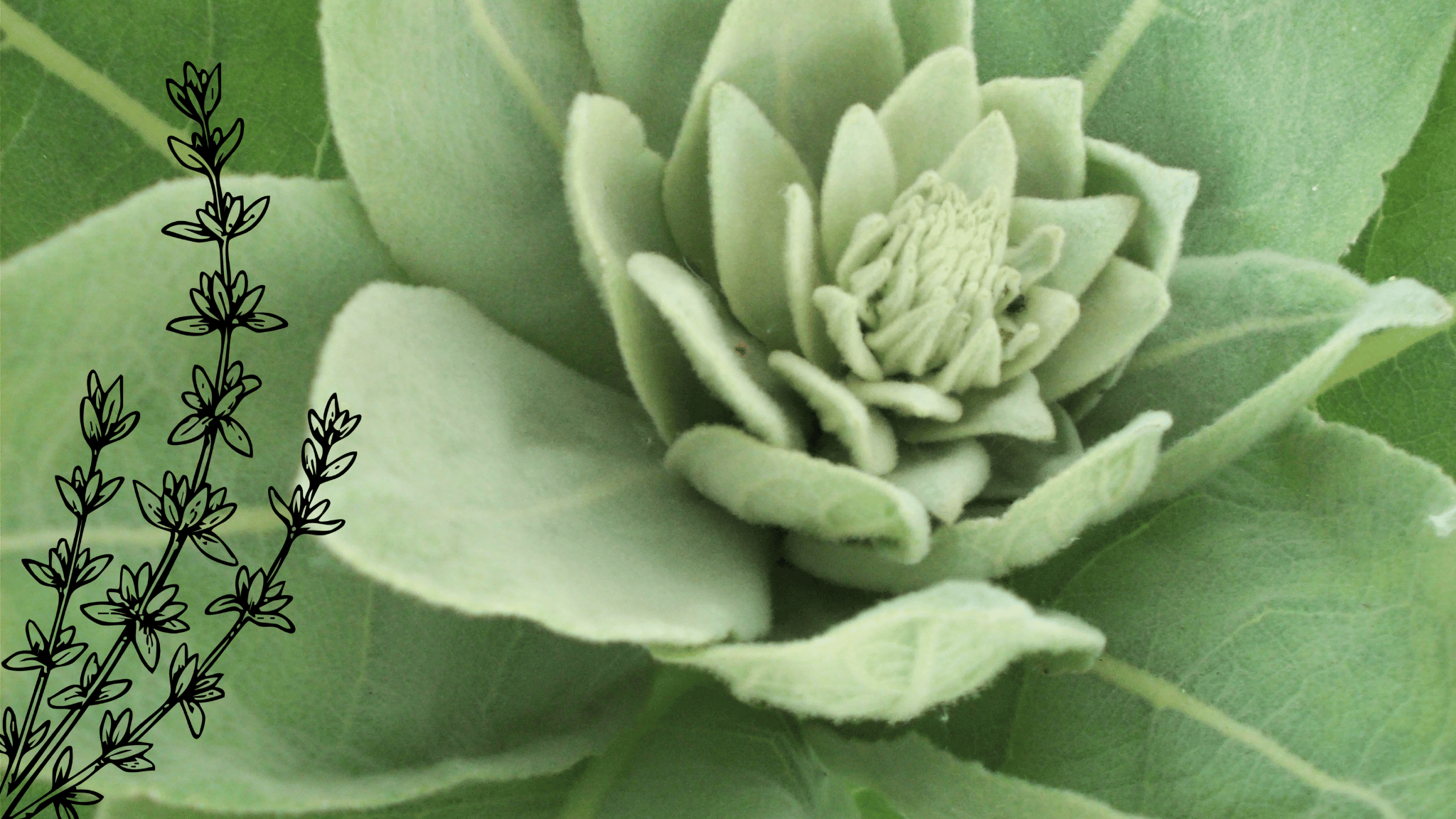
The Takeaway: Poor Air Quality Is a Whole-Body Issue
Smoke and pollution don’t just affect the lungs: they activate inflammation, disrupt the nervous system, and strain immune resilience.
This is why people often feel emotionally off, exhausted, foggy, or run-down during poor air quality events. The body is responding intelligently to an environmental stressor, but it needs support.
Herbal medicine offers a grounded toolkit to help:
soothe irritated respiratory tissues
encourage healthy lung clearance
reduce inflammation and oxidative stress
strengthen immune resilience
calm and nourish the nervous system
With the right herbs and the right strategy, you can support your body’s natural defenses and recovery processes while staying more emotionally and energetically steady.
Explore Your Herbalism…
If you’re dealing with fatigue, anxiety, chronic cough, sinus issues, or immune weakness during wildfire season or ongoing air pollution, personalized herbal support can make a major difference. Working with a clinical herbalist in Salt Lake City means you have an expert on your wellness team who understands the nature of living in our area.
If you’d like help choosing the right herbs for your constitution and symptoms, schedule an herbal consultation today. We’ll build a targeted plan to support your lungs, nervous system, and overall resilience- so you can breathe easier and feel more like yourself again.