

Herbal Support for
Anxiety, Panic, and Worry in Salt Lake City
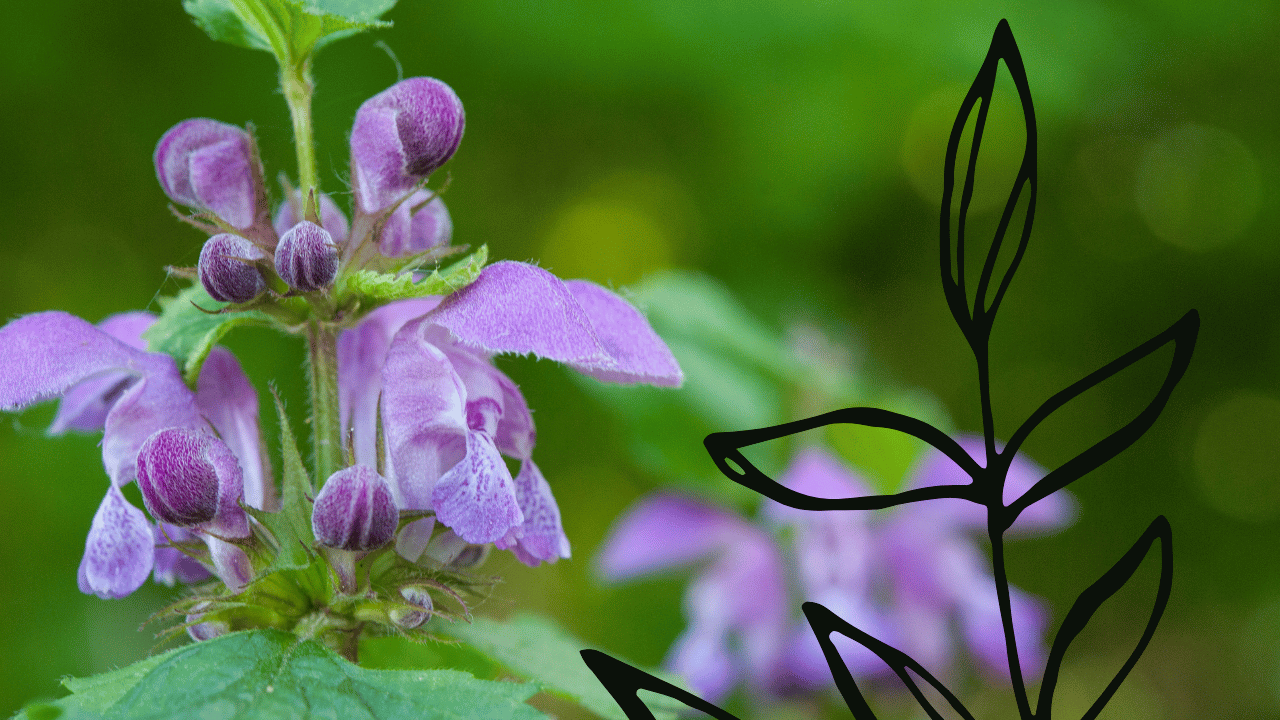
If you are searching for herbal support for anxiety, panic, worry, or the restless activation that will not switch off, you are likely looking for something more than quick coping tools or generic supplements. Many people who come to my clinical herbal practice in Salt Lake City have already tried the popular formulas, the calming teas, the adaptogen stacks, and the over-the-counter remedies discussed all over social media. Some of them helped for a while. Some did nothing. Some made things worse. If any of that sounds familiar, you are in the right place. Clinical herbalism offers a personalized, whole-person approach to anxiety that meets your body and your pattern as they actually are, rather than treating everyone the same.
I'm Josh Williams, MAMH, a clinically trained herbalist serving Salt Lake City and the wider Wasatch Front. My clinical focus is on anxiety, panic, stress-related illness, mood imbalance, sleep, and the nervous system patterns underneath all of them. This is a pillar page intended to walk you through what natural herbal support for anxiety actually looks like, what the most common stress-rooted experiences are, what the research says, and how a personalized herbal approach is different from what you'll find on a shelf.
Take your time with it. There's a lot here, and it's written for people who are ready for real answers.
When Anxiety Is More Than Just Anxiety…
In clinical practice, anxiety rarely exists on its own. It usually shows up alongside other patterns that share the same underlying root, a nervous system that has been running in activation for too long. Common companions to anxiety I see in my Salt Lake City practice include:
Panic and the acute, physical experience of a nervous system in alarm
Chronic worry, rumination, and the mind that will not slow down
Low mood and emotional heaviness that quietly accompany chronic anxiety
Fatigue and the wired-and-tired pattern
Nervous system burnout after years of holding it all together
Physical tension in the jaw, shoulders, chest, or belly
A dulled sense of connection to yourself, your body, or the living world
Rather than treating anxiety as a standalone diagnosis, clinical herbalism looks at how anxiety is showing up in your specific body, and why it may be persisting. From that understanding, a genuinely personalized plan begins to take shape.
Why Stress and Anxiety Deserve to Be Taken Seriously
We've grown casual about saying "I'm stressed" but the body is not casual about it. A landmark study published in JAMA Internal Medicine found that 60–80% of all primary care office visits have a stress-related component, and yet most patients never receive any meaningful counseling about stress management during those visits.[¹] Most of us are walking around with the very root cause of our symptoms going unaddressed.
Chronic stress is a measurable physiological state; elevated cortisol, sympathetic nervous system overdrive, disrupted circadian rhythm, immune dysregulation, low-grade inflammation, and HPA axis dysfunction- and the research linking it to long-term illness is substantial:
The Centers for Disease Control and Prevention notes that chronic stress, anxiety, depression, and PTSD produce measurable physiological effects including increased cardiac reactivity, reduced blood flow to the heart, and heightened cortisol levels, all of which contribute to cardiovascular risk.[²]
The CARDIA study and other longitudinal research connect chronic psychological stress to higher rates of coronary heart disease, hypertension, and stroke.[³]
The Strong Heart Family Study (CDC, 2025) found that adults with depressive symptoms at baseline had 54% higher odds of developing hypertension during follow-up.[⁴]
Peer-reviewed reviews link chronic stress to type 2 diabetes risk, immune suppression, autoimmune flares, digestive disorders, hormonal dysregulation, accelerated cognitive decline, and chronic pain syndromes.[⁵]
This is not meant to alarm you. It is meant to make a simple case: working with chronic stress and anxiety is not a "soft" concern or a quality-of-life upgrade. It is one of the most impactful investments anyone can make in their long-term physical health, especially when addressed before symptoms compound into something harder to reverse.
Anxiety Wears Many Faces
One of the most helpful shifts I offer new clients is the recognition that anxiety is not one thing. It is a family of experiences, and each expression asks for a slightly different response from the plants. In my clinical practice in Salt Lake City, I most often work with:
Generalized anxiety · the persistent, low-grade worry that follows you through the day, even on good days. Often accompanied by physical tension, mental fatigue, and difficulty concentrating.
Panic and acute anxiety · the sudden, overwhelming surge of a racing heart, difficulty breathing, and a sense of impending doom. Specific herbal support can interrupt panic in the moment, while longer-term work builds resilience in the autonomic nervous system.
Social anxiety · the intense discomfort of social situations and scrutiny, rooted in a hyperactive social threat detection system. Herbal support gently eases the acute anxiety while building underlying steadiness.
Health anxiety · the persistent fear about your body and its sensations, common in nervous systems that have learned to read normal signals as threat. This responds beautifully to gut-brain support and nervine care.
Anticipatory anxiety · the wave of worry that builds before an event, a conversation, or a decision. Often responds quickly to well-matched herbal support paired with practical daily rituals.
Trauma-related anxiety · the underlying hypervigilance that lingers after difficult experiences. Herbal medicine here works gently, alongside appropriate trauma-informed therapeutic support, to help the body find its way back to a felt sense of safety.
Each of these expressions of anxiety asks for a slightly different herbal approach. This is the value of individualized clinical care over one-size-fits-all remedies.
How Clinical Herbalism Approaches Anxiety
As a clinical herbalist in Salt Lake City, my work with anxiety centers on restoring the nervous system's natural capacity to settle, while addressing the deeper patterns that keep anxiety in place.
Herbal care may focus on:
Supporting the parasympathetic branch of the nervous system, the one responsible for rest and repair
Easing the acute physical experience of anxiety, from tight chest to racing heart to shallow breath
Improving stress resilience and the body's capacity to recover after activation
Supporting sleep and circadian rhythm, since disrupted sleep and anxiety feed each other
Steadying mood and emotional balance alongside the anxiety work
Building the deeper resilience that makes the next stretch of life less destabilizing
Reconnecting to the quieter, more grounded self that anxiety has been drowning out
Herbal protocols are always customized. Two people with anxiety may receive very different formulas because their constitutions, patterns, and life circumstances are different. This is the heart of what makes clinical herbalism effective where generic remedies often fail.
Why the Same Herb Works for One Person and Not Another
If you have tried popular herbs for anxiety before without success, or if something everyone else swore by seemed to make you worse rather than better, you are not alone, and there is a real reason for it.
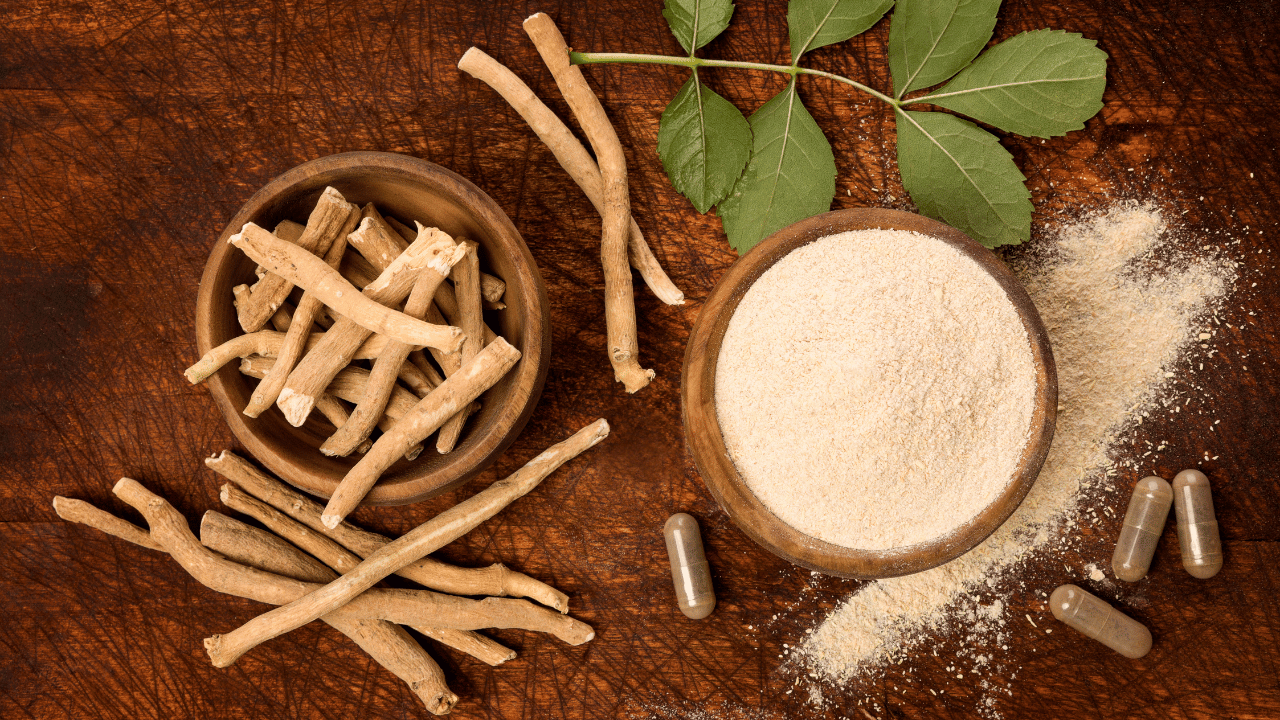
The same plant does not do the same thing in every body. Valerian, one of the most well-known herbs for calming the nervous system, works beautifully for some people and can actually aggravate anxiety in others whose constitution runs warm and activated. Chamomile is a gentle friend for many people, and a sedating overwhelm for a smaller number. Ashwagandha calms one nervous system and dulls another. The plant is not the medicine. The plant matched to the person is the medicine.
This is what personalized clinical herbal care actually delivers. Rather than picking a popular remedy off the shelf and hoping it fits your body, we look carefully at your constitution, your pattern of anxiety, your sleep, your energy, your history, and everything else that shapes how you will respond. From that picture, a formula is built specifically for you. You can read more about why some herbal remedies do not work in the way people expect them to here.
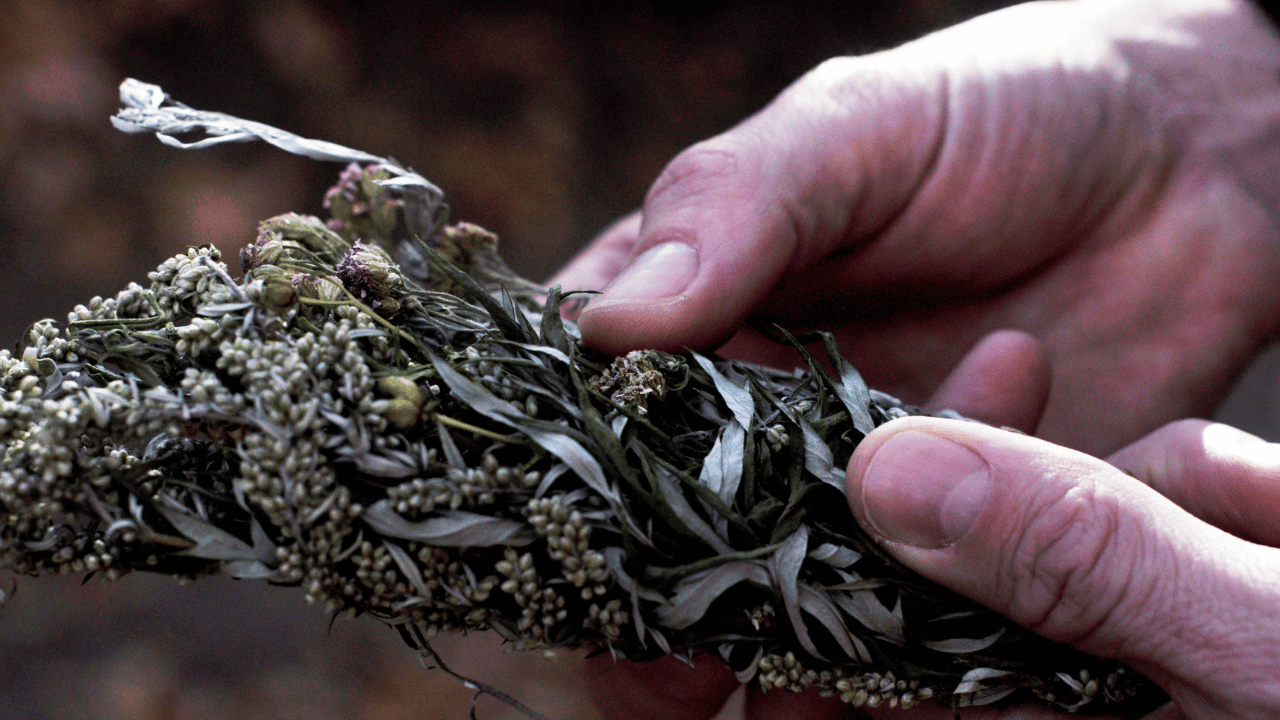

The Top 10 Stress-Related Experiences People Bring to Herbal Medicine
When people search for natural healing and herbal support for stress and anxiety in Utah, they're usually searching for relief from one of the following experiences. Each one is a real, recognizable pattern in the body; and each one has a thoughtful herbal approach when matched correctly to the person.
Generalized Anxiety, Worry, and Racing Thoughts
This is the most common pattern: a persistent, low-grade hum of worry that won't quiet down. The mind loops. Hypothetical worst-case scenarios feel impossible to dismiss. Concentration suffers. Even when nothing is actively wrong, the body feels braced for something.
Herbal support here typically involves plants that gently support GABA function and calm sympathetic overactivation, paired with longer-term adaptogenic and nervine support to rebuild nervous system tone over time. The specific herbs vary considerably by constitution.
Panic Attacks and Acute Anxiety Episodes
Panic is distinct from generalized anxiety. It comes on suddenly- racing heart, shortness of breath, chest tightness, dizziness, the sense of impending doom and often disconnects from any obvious trigger. People who experience panic attacks often develop a secondary anxiety: fear of the next attack.
A clinical herbal approach to panic combines acute-support herbs that can be used in the moment, alongside deeper constitutional work that addresses the underlying nervous system reactivity that makes panic possible in the first place. This is genuinely subtle work that benefits from a trained practitioner's guidance.
Stress-Related Insomnia (Can't Fall Asleep / Can't Stay Asleep)
Sleep is one of the most common casualties of chronic stress. Some people can't fall asleep- they get into bed exhausted and their mind activates instead. Others fall asleep without trouble but wake at 2 or 3 a.m. and can't get back. Others sleep technically enough hours but wake unrefreshed. Each pattern reflects a different physiological signature and calls for a different herbal approach.
Learn more about herbal support for sleep and insomnia
Burnout, Chronic Fatigue, and the "Wired and Tired" Pattern
Burnout is what happens when the stress response has been running for so long that it begins to break down. The body is exhausted, but it doesn't know how to rest. Caffeine helps less than it used to. Mornings are hard, afternoons crash, evenings are when energy paradoxically returns just in time to disrupt sleep. People in this pattern feel both depleted and over-activated — the wired-and-tired experience.
Herbal support for burnout requires the most clinical nuance of any presentation, because it calls for simultaneous calming and rebuilding. Choosing only sedating herbs makes the fatigue worse. Choosing only energizing herbs worsens the underlying overdrive. The art lies in the balance.
Stress-Related Digestive Issues (IBS, Nervous Stomach, Reflux)
The gut-brain axis is real, well-documented, and central to anxiety. Approximately 95% of the body's serotonin is produced in the gut, and chronic stress directly disrupts digestion through both nervous system and vagal pathways. Many people with anxiety also experience some combination of IBS, bloating, reflux, alternating constipation and looseness, food sensitivities, or simply a stomach that "knots up" under pressure.
Herbal support at the gut-brain intersection is one of the most rewarding areas of clinical herbalism- addressing both the mood symptoms and the digestive ones simultaneously, often with overlapping plant allies.
Learn more about herbal support for digestive issues
Adrenal Fatigue and HPA Axis Dysregulation
While "adrenal fatigue" is debated as a formal medical diagnosis, the underlying pattern- HPA axis dysregulation- is well-documented in research. After prolonged stress, the cortisol curve becomes inappropriate: high when it should be low, blunted when it should peak, or simply flat across the day. The result is fatigue that doesn't respond to sleep, poor stress tolerance, salt and sugar cravings, lightheadedness on standing, and a sense of having nothing in reserve.
Adaptogenic and rebuilding herbal protocols can be deeply effective here, but the choice of adaptogen matters enormously. The wrong one can worsen this pattern significantly, which is why this is one of the most important areas to work with a clinical herbalist rather than self-prescribe.
Mood Imbalance, Emotional Flatness, and Stress-Related Depression
The overlap between chronic stress, anxiety, and depression is profound. Sustained cortisol elevation damages the hippocampus, reduces brain-derived neurotrophic factor (BDNF), and disrupts serotonin and dopamine signaling. Many people who arrive in my practice describing "anxiety" are actually navigating a mixed picture that includes low mood, emotional numbness, loss of motivation, and the kind of muted gray that follows long-term stress.
Herbal support for stress-related mood imbalance addresses both the nervous system and the neurotransmitter terrain, with attention to the underlying stress burden that is suppressing mood in the first place.
Hormonal Imbalance, PMS, and Cycle Irregularity from Stres
Chronic stress competes directly with reproductive hormone production. The body uses the same precursor (pregnenolone) for both cortisol and sex hormones, and under sustained stress, it prioritizes cortisol leaving the sex hormone pathways depleted. This shows up as worsened PMS, irregular cycles, intensified perimenopause symptoms, low libido, and (in men) lower testosterone, reduced vitality, and poor recovery.
Herbal support for stress-related hormonal patterns works on both ends: reducing the cortisol burden upstream, and supporting the specific hormonal terrain downstream.
Brain Fog, Poor Concentration, and Stress-Related Cognitive Issues
The chronically stressed brain is a less functional brain. Working memory suffers. Focus fragments. Word retrieval slows. Decisions feel exhausting. This is the cognitive cost of sustained cortisol elevation- and it is one of the most quality-of-life-impacting consequences of long-term stress.
Herbal support here combines nervous system rebuilding (the slow work of restoring the underlying terrain) with herbs that support neuroplasticity, circulation, and cognitive clarity.
Tension Headaches, Jaw Clenching, and Somatic Stress Symptoms
For some people, stress shows up in the body before, or instead of, in the mind. Chronic shoulder tension. Tight jaw. Recurring tension headaches. Mid-back pain. The physical manifestations of a nervous system that is holding what the mind hasn't yet been able to process. Anxiety in the body is just as real, and just as worthy of care, as anxiety in the thoughts.
Herbal support combines nervous system regulation, muscle-relaxing herbs, and anti-inflammatory approaches- alongside attention to the upstream stress patterns producing the symptoms in the first place.
Did You Know… Not Every Herb Is Right for Every Person
One of the things I'm most committed to communicating clearly is this: the popular wellness world has flattened herbal medicine into a generic list of "anxiety herbs," and that flattening does real harm. It's why so many people try a well-regarded calming herb and find that it does nothing- or, in some cases, actually makes them feel worse.
Herbs are not pharmaceuticals. They are not categorized primarily by their effect on a symptom. They are categorized by their energetic qualities, their thermal nature, their affinity for specific organ systems, and their action within specific patterns of imbalance.
A calming herb that's perfect for someone with a hot, agitated, "wound-up" presentation can deplete someone with a cold, depleted, exhausted presentation. An adaptogen that rebuilds the wrong constitution can produce agitation, insomnia, or worsened anxiety. A nervine sedative that helps one person sleep can leave another feeling foggy, flat, or emotionally numb the next day.
I have seen this many times: someone arrives at my Salt Lake City practice frustrated and discouraged because the supplement that everyone online recommended did nothing for them, or actively worsened their symptoms. They weren't doing anything wrong. They simply had the wrong tool for their specific pattern and there was no one in the equation who knew enough about them to choose differently.
This is not a reason to fear herbal medicine. It's a reason to respect its sophistication and to work with someone trained in matching the plant to the person. That's what clinical herbalism actually is.
How a Clinical Herbalist Approaches Anxiety
When you work with me as your clinical herbalist in Salt Lake City, the process is built around understanding you… not categorizing you. A typical care arc looks like this:
A comprehensive initial consultation. Unhurried, thorough, and grounded in real conversation. We explore not just your anxiety, but your full health history, your sleep, your digestion, your energy patterns, your stress landscape, your medications and supplements, your relationship with your body, and your goals.
Pattern identification. From that picture, I identify the specific patterns at work in your body- the constitutional tendencies, the system imbalances, the contributors that are sustaining your anxiety beyond the obvious triggers.
A personalized herbal plan. Based on the patterns, I develop a custom herbal formula or set of formulas tailored to you- often combining tinctures, teas, or capsules in specific forms and dosages. This is not "take this for anxiety." It's "this combination, in this form, at this dosage, for this length of time, because of these reasons."
Ongoing refinement. Herbal medicine is not static. As your body shifts, your formula shifts. Follow-up appointments allow us to adjust, refine, and respond to how your nervous system is changing.
Education and empowerment. Part of my work is helping you understand what we're doing and why so you become an increasingly capable participant in your own care. I also offer classes and workshops for people who want to deepen their herbal understanding.
The goal is not to make you dependent on a practitioner. The goal is genuine, durable resilience; a nervous system that handles life better, a body that recovers more fully, and a relationship with your own health that feels grounded and informed.

What Makes This Different From Buying Supplements
People often ask whether a clinical herbal consultation is meaningfully different from just picking up an herbal supplement at the health food store. The honest answer is yes, in several important ways:
Personalization. Formulas are designed for you, not for a label.
Form and dosage matter. Tinctures, teas, glycerites, and capsules each have different therapeutic profiles, and the right choice depends on the person. So does dosage and timing.
Safety monitoring. I review your full medication list and screen for interactions- something nobody at a supplement store can do.
Quality. Clinical herbalists source from carefully vetted growers and producers. Commercial supplement quality varies enormously.
Pattern recognition. Many "anxiety" presentations are actually being driven by something else; sleep, blood sugar, gut imbalance, hormonal dysregulation. A clinical herbalist sees the larger picture and works at the root.
Adjustment over time. Your protocol evolves as you do, rather than staying static.
Is Herbal Medicine Safe Alongside Anxiety Medications?
In most cases, yes… with thoughtful selection and professional oversight. Many of my clients are taking prescription medications (SSRIs, benzodiazepines, sleep aids, mood stabilizers, and others), and herbal care can often be designed to safely complement that treatment.
Some herbs have meaningful interactions with specific medications, and a key part of any initial consultation is reviewing your full medication and supplement list to ensure that anything I recommend is compatible. When herbal care is not appropriate alongside a particular medication, I tell you so directly, and we discuss alternative approaches.
I work collaboratively with my clients' other providers whenever helpful, and I'm always glad to coordinate with prescribers, mental health practitioners, and other healthcare professionals as part of integrated, whole-person care.
Natural Anxiety Support in Salt Lake City and the Wasatch Front
Life along the Wasatch Front carries a specific set of influences on the anxious nervous system. High altitude, dramatic seasonal swings, winter inversions and summer wildfire smoke that quietly wear on the body over months, long winters that affect mood and circadian rhythm, and the pace of modern life in a fast-growing region. Any one of these can strain a nervous system. Together they add real weight to a body that is already carrying enough.
My clinical herbal practice in Salt Lake City takes these regional and seasonal factors into account when designing your herbal care. Whether you are navigating anxiety through inversion season, working through burnout in a demanding career, sleeping poorly through smoky August nights, or simply feeling worn thin by everything, your care should be designed for the actual life you live, in the actual place you live it.
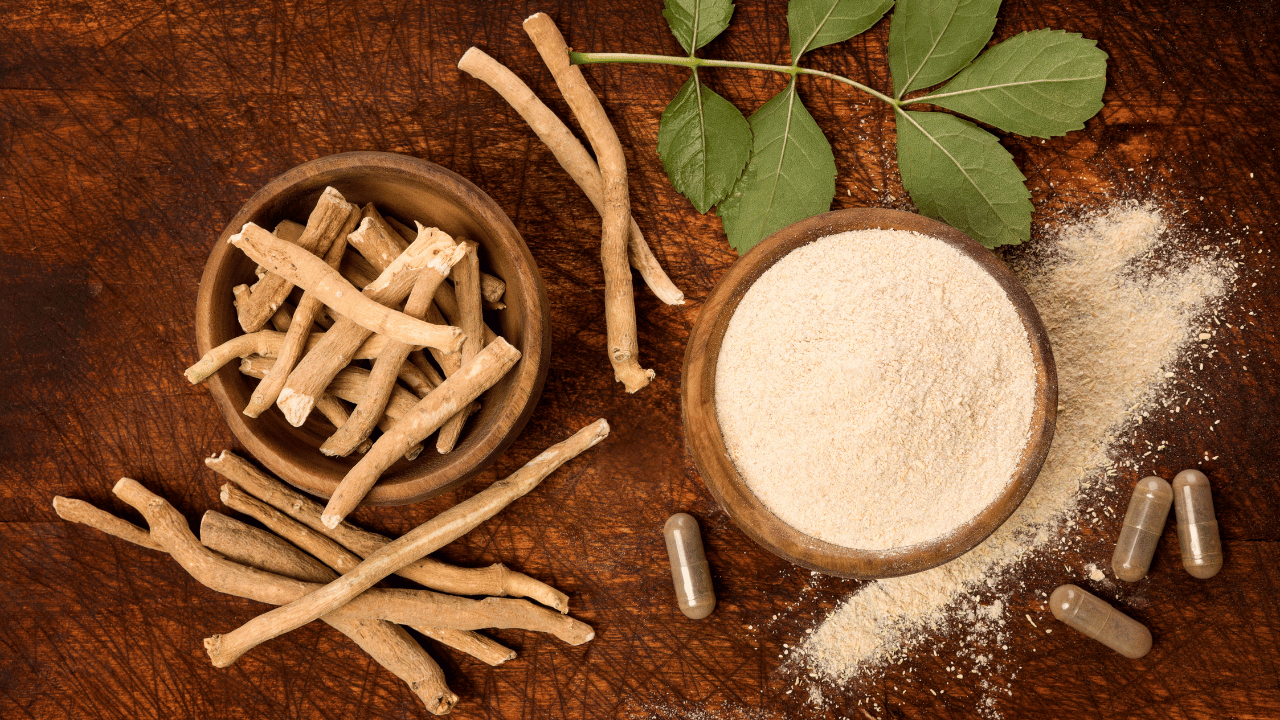
Frequently Asked Questions About Herbal Support for Anxiety
Can herbal medicine really help with anxiety? Yes, and the traditional and modern evidence for it is genuinely substantial. Certain plants modulate the nervous system, support GABA function, ease inflammation, and help the body come out of chronic activation. The key is not just which herb, but which herb for your specific pattern and constitution. Personalized clinical care is what turns herbal medicine from a hopeful experiment into effective support.
How quickly will herbal medicine help my anxiety? Many clients begin noticing shifts within two to four weeks. The sharp edges of anxiety often soften first, and sleep begins to improve. The deeper work of rebuilding a resilient nervous system typically unfolds across three to six months of consistent care. This is the pace of real nervous system change, and it is one of the reasons this work is so durable when given time.
Can I use herbal medicine while I'm on anxiety or depression medication? Very often, yes. In the hands of an experienced clinical herbalist, herbal medicine can work carefully alongside prescription care, easing side effects, supporting the underlying resilience of the nervous system, and addressing adjacent concerns that medication is not designed to reach. Certain combinations require care and knowledge, which is exactly what a trained practitioner brings to the conversation. I will always review your medications and design your formula with them in mind.
Are some herbs for anxiety actually unsafe or unhelpful for certain people? Yes- and this is one of the most important reasons to work with a trained practitioner. Herbs that are widely recommended for anxiety can be entirely wrong for certain constitutions or patterns, and in some cases can make symptoms worse. Personalized care addresses this directly.
Do you only see people in person? My primary practice is in-person in Salt Lake City. After an initial in-person consultation, follow-up care can sometimes be arranged remotely depending on your situation.
Is herbalism evidence-based? Clinical herbalism draws on a combination of traditional knowledge and modern research. While it does not replace medical care, it applies clinical reasoning, safety awareness, and a growing body of pharmacological and clinical research to the work of pattern-based plant medicine.
What if I'm not sure whether my situation is a good fit? That's exactly what an initial consultation is for. We'll explore your concerns together and determine whether this approach makes sense for you. If it's not the right fit, I'll tell you and offer referrals to other providers where appropriate.
What if I have tried herbs for anxiety before and they did not help? This is one of the most common experiences I hear about, and it almost never means herbal medicine is not for you. It usually means the herbs you tried were not matched to your specific constitution and pattern. A widely popular calming herb can help one person deeply and aggravate another. Personalized clinical care changes this entirely.
References
¹ Nerurkar A, Bitton A, Davis RB, Phillips RS, Yeh G. When Physicians Counsel About Stress: Results of a National Study. JAMA Internal Medicine. 2013. Available at: jamanetwork.com
² Centers for Disease Control and Prevention. About Heart Disease and Mental Health. Available at: cdc.gov
³ Carnethon MR, Wong M, et al. Chronic Stress and Cardiovascular Events: Findings From the CARDIA Study. American Journal of Preventive Medicine. 2023.
⁴ Santoni S, Kernic MA, et al. Depression and Incident Hypertension: The Strong Heart Family Study. Preventing Chronic Disease (CDC). 2025. Available at: cdc.gov/pcd
⁵ Salleh MR. Life Event, Stress and Illness. Malaysian Journal of Medical Sciences. Available at: PubMed Central