

Herbal Support for Digestive Issues in Salt Lake City
Natural Care for the Gut-Brain Connection,
IBS, Reflux, and Stress-Related Digestion Issues
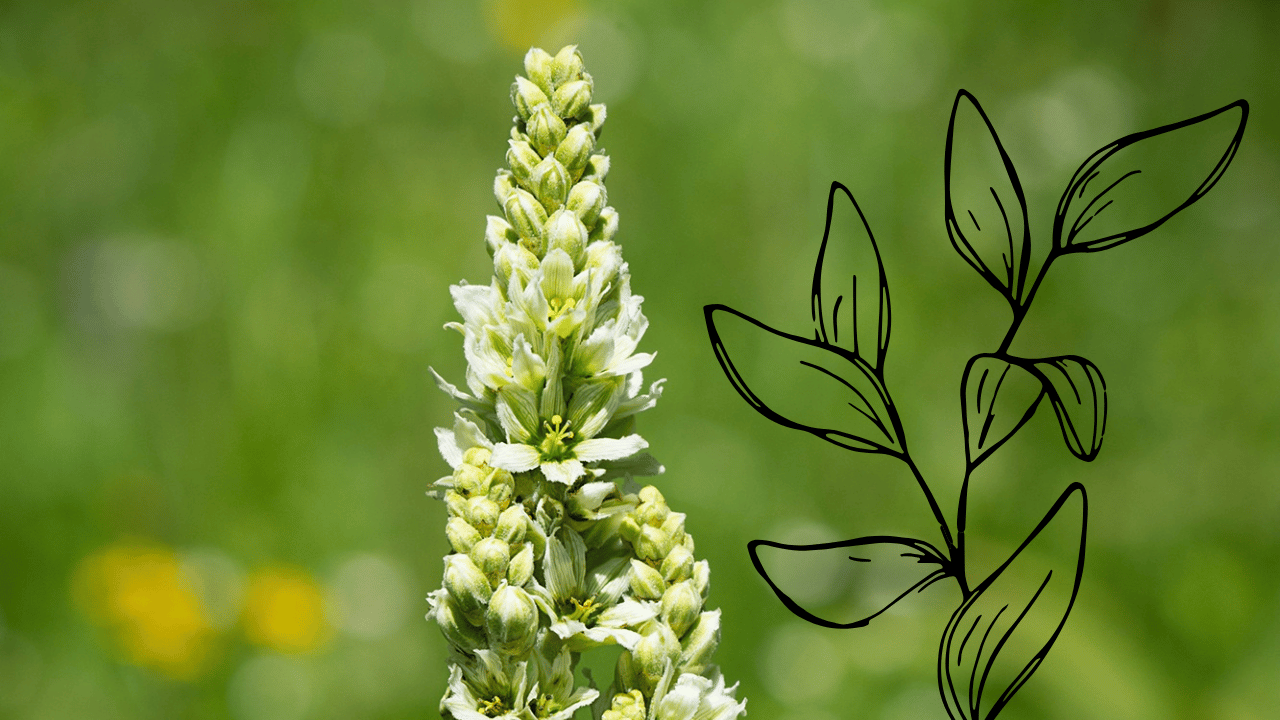
Herbal Support for Digestive Issues in Salt Lake City, Utah
Natural, Personalized Care for IBS, Reflux, Bloating, and the Gut-Brain Connection
If you're searching for herbal support for digestive issues in Salt Lake City, you're likely already past the easy answers. You've tried the elimination diets. You've cycled through probiotics. You've experimented with enzymes, fiber supplements, prokinetics, antacids, or whatever Reddit recommended last week. Some of it helped a little. None of it lasted. And underneath it all, you may have started to suspect what the research increasingly confirms; your digestion is not actually a digestive problem. It's a whole-system problem, and the nervous system is at the heart of it.
I'm Josh Williams, a clinically trained herbalist serving Salt Lake City and the surrounding Wasatch Front: Holladay, Sugar House, Millcreek, Cottonwood Heights, the Avenues, Bountiful, Sandy, Draper, and Park City. My clinical focus is on stress, anxiety, mood, sleep, and the cascade of conditions that stem from a nervous system pushed beyond its limits- including the digestive dysfunction that so often arrives alongside chronic stress.
This page is a comprehensive look at how a clinical herbalist approaches digestive health, with particular attention to the gut-brain axis and the kinds of digestive issues that are deeply intertwined with stress, anxiety, and mood. While I support general digestive concerns of all kinds, this page focuses on what most of my digestive clients are actually living with- guts that respond to life faster than they respond to food.
Your Gut Is Not Just Reacting to What You Eat
This is the single most important reframe in modern digestive medicine, and it changes everything about how digestive issues should be approached.
For decades, gastroenterology treated the gut as a relatively isolated system… a tube that took in food, broke it down, absorbed nutrients, and eliminated waste. Symptoms were attributed to motility, secretion, or structural problems within that tube. Treatment focused on what to add or remove from the digestive process.
The current research tells a very different story. The gut is now understood as part of an integrated, bidirectional system that includes the central nervous system, the enteric nervous system (the "second brain" in your gut), the immune system, the hormonal system, and the microbiome. Communication between gut and brain runs in both directions, constantly, and dysfunction at any point in that network can produce digestive symptoms.
This is why so many people experience digestive symptoms that don't respond to diet changes, probiotics, or pharmaceuticals: their digestion isn't really the problem. The problem is upstream in the nervous system, in the stress response, in the HPA axis- and the gut is simply where it's showing up.
What the Research Says About Stress and Digestion
The evidence linking stress, anxiety, and digestive dysfunction is now substantial and well-established:
IBS is now formally classified as a "disorder of gut-brain interaction" by international research consensus. It affects approximately 5–10% of the global population, and in Western countries, prevalence estimates rise as high as 15%.[¹][²]
The heritability of IBS is only about 5.8% meaning more than 90% of the risk for developing it comes from environmental factors, including chronic psychological stress, adverse life events, and early-life stress.[¹]
A meta-analysis found that PTSD is associated with an odds ratio as high as 2.80 for developing IBS meaning trauma and chronic stress substantially elevate the risk of functional digestive disorders.[³]
Anxiety and depression are significantly more prevalent in IBS patients than in the general population, and the relationship runs both directions: stress causes digestive symptoms, and chronic digestive symptoms drive anxiety and mood disturbance.[⁴]
HPA axis dysregulation, the body's chronic stress response, alters gut motility, mucosal immunity, intestinal permeability, and microbiome composition, providing a clear physiological pathway through which chronic stress produces digestive dysfunction.[⁵]
Roughly 95% of the body's serotonin is produced in the gut, and the gut and brain are connected by the vagus nerve, neuroendocrine signaling, and a continuous chemical conversation between resident microbes and the central nervous system.
What this means in practice is straightforward: for most people with chronic digestive issues, addressing only the gut produces only partial results. The nervous system and the gut have to be supported together. This is exactly the kind of whole-system, root-cause work clinical herbalism is built for.
Herbalism as Both Science and Spirit
Before going into specific patterns, it's worth saying something about how I approach this work; because it shapes the care that follows.
Herbal medicine has always been both a scientific and a spiritual practice, and digestion is one of the places this dual nature shows up most clearly. We have known for centuries that the gut is where emotion lives in the body- that grief settles in the stomach, that worry knots the abdomen, that joy improves digestion and fear paralyzes it. The language we still use ("gut feeling," "butterflies," "I can't stomach this") reflects an ancient understanding that modern neuroscience is finally catching up to.
In my practice, this dual orientation means:
The science : careful clinical assessment, pattern recognition, attention to medications and contraindications, evidence-informed formulation, ongoing adjustment based on how your body responds
The spirit : respect for the deep intelligence of the body, attentive presence, awareness that digestion is not just mechanical but emotional and relational, and (for clients who are interested) contemplative dimensions of plant medicine
The contemplative dimension is never required. For many people, the clinical work alone is the entire picture, and that's completely fine. What matters is that the body is being met as the whole, intelligent system it actually is… not just as a collection of symptoms to silence.
This is, fundamentally, whole-person care for whole-person resilience, with the gut included as part of that wholeness rather than treated in isolation.
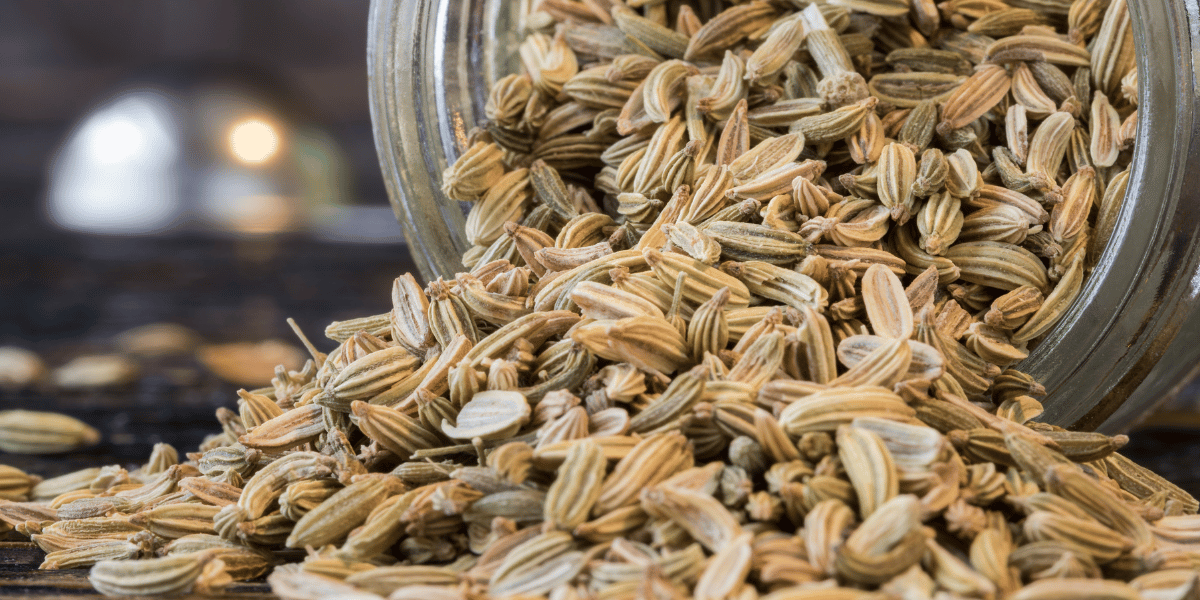
The Top 10 Stress and Mood-Related Digestive Patterns People Bring to Herbal Medicine
When people search for natural healing and herbal support for digestive issues- particularly the stress-related kind… they're usually living with one or more of the following patterns. Each one is recognizable, common, and well-suited to a thoughtful clinical herbal approach.
Stress-Related IBS · Bloating, Cramping, Alternating Constipation and Diarrhea
The most common pattern by a wide margin. The hallmarks are abdominal pain or discomfort that comes and goes, bloating that worsens through the day, and bowel habits that swing between loose and constipated, often unpredictably. Symptoms typically flare during stressful periods, ease during vacations, and resist conventional medication.
Clinical herbal support for stress-related IBS addresses both the digestive symptoms directly and the upstream nervous system dysregulation that's driving them. This is one of the areas where personalized herbalism shines, because the "right" herbs for IBS depend heavily on your specific constitution and pattern.
Anxiety-Driven Nervous Stomach · Butterflies, Knots, Pre-Event Stomach Upset
Many people don't have "digestive issues" in the IBS sense- but their stomach gets involved every time anxiety arises. Pre-presentation nausea. A churning gut before social events. The feeling of a knot tightening in the abdomen during difficult conversations. This is the gut-brain axis in real time, and it tends to deepen over the years if left unaddressed.
Herbal support for this pattern combines gentle nervine support with herbs that have a particular affinity for the gut-brain connection, helping reduce the somatic intensity of the response while supporting the nervous system underneath.
Stress-Related Reflux and GERD
Reflux is one of the most under-recognized stress conditions. While diet, weight, and structural factors all play roles, chronic stress meaningfully contributes to reflux through several mechanisms: it relaxes the lower esophageal sphincter, increases visceral sensitivity (so reflux is felt more intensely), slows gastric emptying, and alters acid regulation. Many people on long-term acid-suppressing medications never get an opportunity to address the underlying stress component.
Herbal support for stress-related reflux works on both ends, calming and toning the nervous system upstream while soothing inflamed esophageal and gastric tissue and supporting healthy digestive function downstream.
Bloating That Worsens Under Stress
A common pattern: digestion seems fine in the morning, but as the day progresses and stress accumulates the belly distends, clothes feel tight, and energy crashes. This is often not a food issue at all. It's a motility issue rooted in sympathetic nervous system dominance, where the body is too activated to digest properly. Add in gut microbiome shifts that accompany chronic stress, and bloating can become a persistent feature of daily life.
Herbal support here works on motility, nervous system tone, and microbiome terrain- together, not separately.
Histamine Aggravated Anxiety & Anxiety Aggravated Histamine Responses
The connection between the peripheral histamine response and the neurotransmitter histamine can’t be overlooked. If you’ve found that histamine, mast cell, or MCAS issues pattern along with your anxiety or stress, herbs can be an incredible support!
Constipation From Chronic Stress
Counterintuitively, prolonged stress often slows digestion rather than speeding it up. When the body is in sustained sympathetic activation, parasympathetic-driven gut motility weakens. Many people in high-pressure jobs, caregiving roles, or chronic anxiety states experience stubborn constipation that doesn't fully respond to fiber, hydration, or pharmaceuticals because the upstream signal is wrong.
Clinical herbalism approaches this pattern by helping shift the body back into rest-and-digest, supporting motility from the inside out, while also addressing the nervous system dysregulation creating the conditions in the first place.
Anxiety-Related Diarrhea, Urgency, and Frequent Bathroom Patterns
The opposite presentation- and equally common. The vagus nerve and enteric nervous system can produce an acute speeding up of motility when the body interprets the world as threatening. People with this pattern often feel anchored near a bathroom, avoid social situations or travel, and find their digestion completely tied to their emotional state.
This pattern responds well to a combined approach: nervine and adaptogenic support for the autonomic nervous system, paired with gut-soothing and tone-supportive herbs to reduce reactivity and reestablish a more settled digestive baseline.
Appetite Dysregulation From Stress · No Appetite or Stress Eating
Chronic stress dysregulates appetite in two opposite directions: some people lose appetite entirely under stress, eating less than they need and feeling unable to face food; others find themselves driven toward eating, particularly carbohydrate-rich, dopamine-stimulating foods, as a way of self-soothing an overactivated nervous system. Both patterns reflect HPA axis dysregulation and can be addressed at the nervous system level.
This is also an area where holistic nutrition guidance integrates well with herbal support… addressing the body's actual nutritional needs alongside the underlying stress patterns shaping eating behavior.
Food Sensitivities and Reactivity That Worsen During Stressful Periods
A pattern many people have noticed but few practitioners explicitly address: foods that you tolerate fine during low-stress periods can suddenly trigger symptoms during high-stress periods. This isn't imaginary. Chronic stress increases intestinal permeability, alters immune surveillance, and amplifies visceral sensitivity, meaning the same food can produce very different responses depending on the state of the gut-brain axis.
Rather than chasing endless elimination diets, clinical herbalism often produces better long-term results by addressing the underlying terrain — the gut lining, the nervous system, and the immune-mediated reactivity that's making the body so reactive in the first place.
Stress-Related Dysbiosis and Microbiome Disruption
The gut microbiome is profoundly responsive to chronic stress. Cortisol changes the composition of resident bacteria, often reducing beneficial diversity and creating conditions in which less desirable organisms can flourish. This is one of the documented pathways through which stress contributes to digestive symptoms, mood changes, and even systemic inflammation- and it's why probiotics alone, without addressing the underlying stress, often produce only partial or temporary results.
Clinical herbal protocols for dysbiosis work on multiple levels simultaneously: supporting beneficial microbial terrain, reducing the cortisol burden that's destabilizing it, and addressing the gut lining and immune function that interact with the microbiome.
Nausea, Panic-Related Digestive Symptoms, and Gut Manifestations of Acute Anxiety
For some people, the digestive system is the primary site where panic and acute anxiety land. Sudden nausea. Cramping. Sometimes vomiting. These episodes can be terrifying, particularly when they're misinterpreted as a primary digestive illness rather than a manifestation of nervous system reactivity.
Working with these patterns requires both immediate symptom-relief support and longer-term nervous system rebuilding. This is also one of the areas where my work intersects directly with herbal support for anxiety, since the two conditions are often inseparable.
You Might Be Taking The Wrong Herbs for Digestion
I want to be straightforward about something that the wellness world tends to obscure: the popular framing of digestive herbs as a generic list- "herbs for IBS," "herbs for bloating," "herbs for reflux" flattens herbal medicine in ways that hurt the people who turn to it.
Herbs are not interchangeable. A bitter herb that perfectly stimulates a sluggish digestive system can worsen reflux in someone whose gut is already irritated. A warming, carminative herb that relieves bloating for one person can aggravate symptoms in another whose underlying picture is heat and inflammation. An astringent herb that helps anxiety-related diarrhea can deepen constipation in someone whose gut is already stuck.
I see this in my practice regularly: someone arrives frustrated because the supplement that everyone online recommended did nothing or made things worse. They weren't doing anything wrong. They simply had the wrong tool for their specific pattern, and there was no one in the equation with the training to choose differently.
This isn't a reason to be afraid of herbs. It's a reason to respect their sophistication and to work with someone trained in matching the plant to the person. That's what clinical herbalism actually is; not a list of recommendations, but a relationship-based practice rooted in real understanding of how your particular body is working.
How a Clinical Herbalist Approaches Digestion
When you work with me as your clinical herbalist in Salt Lake City, digestive care unfolds through a clear, individualized process:
A comprehensive initial consultation. Unhurried and thorough. We explore not just your digestive symptoms, but your full health history, stress patterns, sleep, energy, mood, medications and supplements, food relationship, and the rhythms of your life. Digestion is downstream of so many things; we have to look at all of them.
Pattern identification. From that picture, I identify the underlying patterns at work- the constitutional tendencies, the system imbalances, the gut-brain dynamics that are sustaining your symptoms. Two people with "bloating" may have completely different root patterns and need completely different care.
A personalized herbal plan. Based on the patterns, I develop a custom formula or combination of formulas tailored to you, often combining tinctures, teas, or capsules selected for your specific terrain. This is not "take this for IBS." It's "this combination, in this form, at this dosage, for this length of time, because of these reasons."
Integration with lifestyle. Digestive care nearly always benefits from attention to eating rhythms, mindful eating, stress management, sleep, and movement. Where appropriate, we discuss natural cleansing and detoxification approaches as part of the broader picture. The herbs are central, but they work alongside the rest of life.
Ongoing refinement. Your digestion changes. Your formula should change with it. Follow-up appointments allow us to adjust, refine, and respond to how things are evolving.
Coordination with conventional care when appropriate. Many of my digestive clients are working with gastroenterologists, primary care doctors, or other practitioners. Clinical herbalism complements that care thoughtfully, and I'm always glad to coordinate when it's helpful.
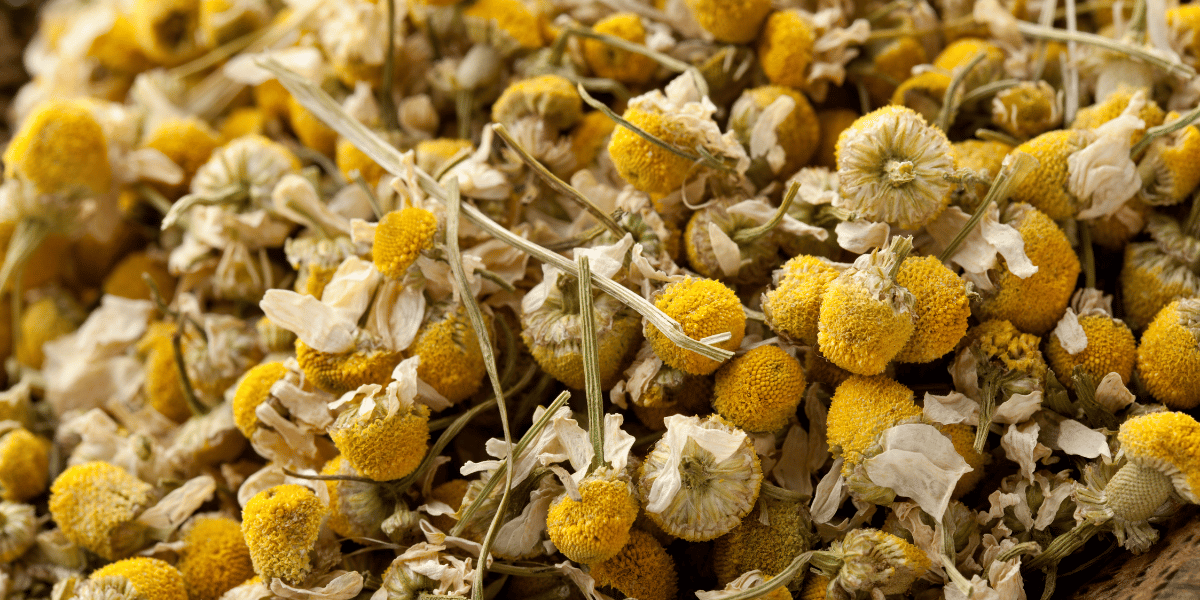
What Makes This Different From Buying Digestive Supplements
People often ask whether working with a clinical herbalist is meaningfully different from picking up probiotics, enzymes, or digestive supplements at the health food store. The honest answer is yes:
Personalization · Formulas are designed for you, not for a label.
Form and dosage matter · Tinctures, teas, glycerites, and capsules have different therapeutic profiles, and the right choice depends on the person and the pattern.
Quality · Clinical herbalists source from carefully vetted growers and producers. Commercial supplement quality varies dramatically.
Safety screening · I review your full medication and supplement list and screen for interactions, especially important for people on acid-suppressing medications, motility agents, or pharmaceuticals affecting gut bacteria.
Whole-system reasoning · A clinical herbalist looks at the larger picture: what is upstream of the digestive symptoms, what's downstream, what else needs to be addressed for real and lasting change.
Adjustment over time · Your protocol evolves with your body, rather than being a fixed product on a shelf.
Is Herbal Medicine Safe for Digestive Issues?
In most cases, yes!… with thoughtful selection and professional oversight. Many of my clients use herbal care alongside medications like PPIs, H2 blockers, antispasmodics, antidepressants prescribed for IBS, and others. The initial consultation always includes a full medication and supplement review to screen for interactions and ensure compatibility.
That said, some digestive presentations require medical evaluation first including unexplained weight loss, blood in the stool, severe persistent abdominal pain, swallowing difficulties, vomiting blood, or symptoms suggesting structural disease. If your situation needs that kind of evaluation, I'll tell you directly and discuss referrals.
Frequently Asked Questions About Herbal Support for Digestive Issues
How long does it take for herbal medicine to help my digestive issues? This depends on what we're addressing. Acute digestive symptoms like bloating, cramping, mild reflux, occasional nausea can often respond noticeably within the first 1–3 weeks of consistent care. Deeper shifts in IBS patterns, gut-brain regulation, gut lining repair, and microbiome rebalancing typically take 8–16 weeks of consistent work. Clinical herbalism prioritizes durable improvement over quick symptom suppression.
Can I use herbal medicine alongside my reflux or IBS medications? In most cases, yes, with careful screening. Many of my digestive clients are on PPIs, H2 blockers, prokinetics, or low-dose antidepressants prescribed for IBS. The consultation always includes a full medication review.
What if I've already tried elimination diets, probiotics, and supplements? This is actually one of the most common starting points for my digestive clients. When the standard approaches haven't fully worked, it's often because the root pattern hasn't been addressed, and that root is frequently in the nervous system or HPA axis rather than the gut itself. Clinical herbalism is well-suited to that kind of work.
Do I need to see a gastroenterologist first? Not necessarily, but it depends on your symptoms. If you have warning signs like blood in the stool, unexplained weight loss, severe pain, or other red flags then medical evaluation should come first. For functional digestive issues that have already been worked up and labeled (IBS, functional dyspepsia, GERD without structural concerns), clinical herbalism can be an excellent next step.
Is herbalism evidence-based? Clinical herbalism draws on both traditional knowledge and modern research. While it does not replace medical care, it applies clinical reasoning, safety awareness, and a growing pharmacological and clinical research base to the work of personalized plant medicine.
What if my digestive issues are also mixed up with anxiety or mood symptoms? This is actually the most common presentation. The gut-brain axis is bidirectional, and most chronic digestive issues come paired with some combination of anxiety, low mood, sleep disturbance, or fatigue. My practice is specifically built to address both ends together. Learn more about herbal support for anxiety

References
¹ Mayer EA, et al. The Neurobiology of Irritable Bowel Syndrome. Molecular Psychiatry. 2023. Available at: nature.com
² Fichna J, Storr MA. Brain-Gut Interactions in IBS. Frontiers in Pharmacology. 2012. Available at: PubMed Central
³ Irritable bowel syndrome remains a complex disorder of gut-brain interaction. Recent meta-analyses on PTSD and IBS. Available at: PubMed Central
⁴ The Gut-Brain Axis in Irritable Bowel Syndrome: Implementing the Role of Microbiota and Neuroimmune Interaction in Personalized Prevention. Narrative review. Available at: PubMed Central
⁵ Centers for Disease Control and Prevention. About Heart Disease and Mental Health — for general HPA axis and chronic stress physiology context. Available at: cdc.gov