Herbal Medicine and Better Sleep: Three Ways the Plants Help You Rest
A gentle look at how herbal care supports better sleep, from daytime stress to evening rituals to the deep rest your body has been asking for, offered by a clinical herbalist in Salt Lake City
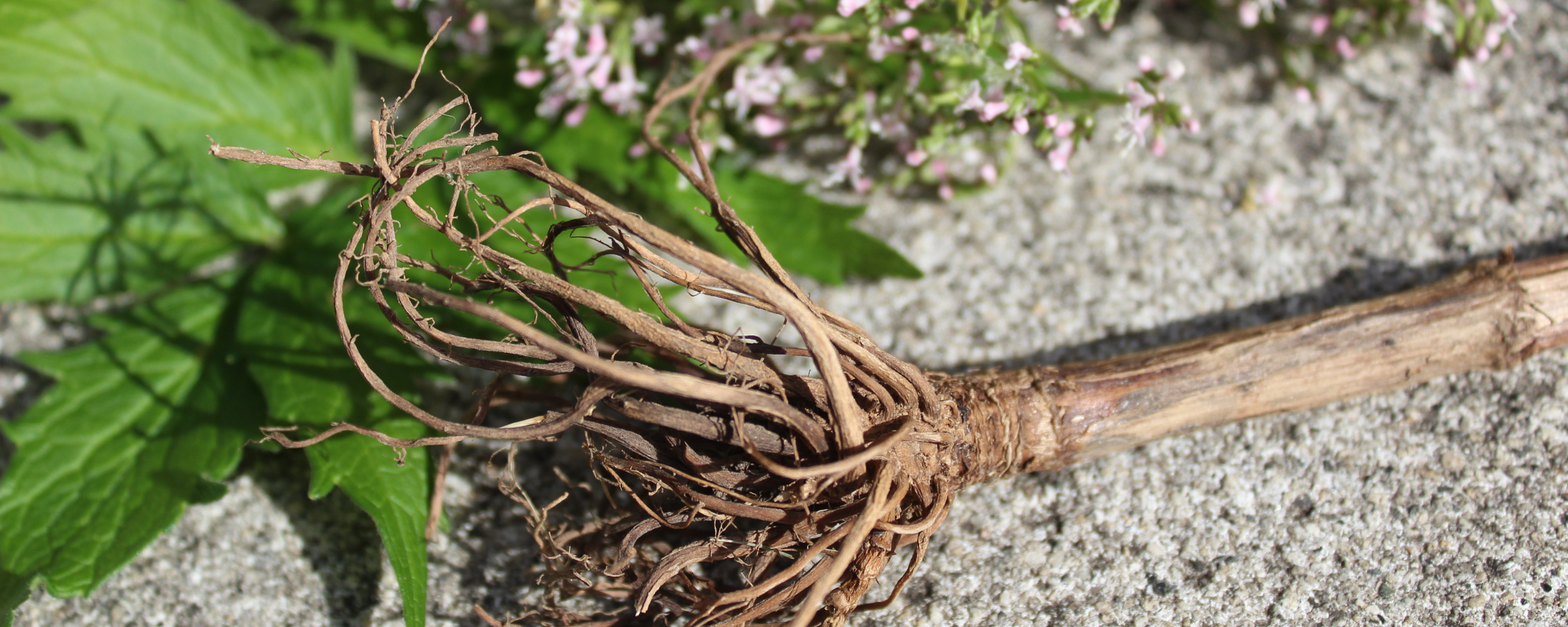
Valerian Root is a popular sleep herb- but one that can aggravate insomnia when not taken by the right constitution of individual
If sleep has become harder than it used to be, you are definitely not alone!
Poor sleep is one of the most common experiences I hear about in my clinical herbal practice here in Salt Lake City. People arrive tired in a way that describing does not quite capture. The kind of tired that goes to bed exhausted and lies awake anyway. The kind of tired that falls asleep quickly and then wakes at three in the morning, mind spinning. The kind of tired that wakes up feeling like sleep barely touched them.
This is not a small suffering. Sleep is where the body does its deepest repair, where the nervous system regulates itself, where memories consolidate, where emotions integrate, where the hormonal rhythms of the day get set for tomorrow. When sleep goes, everything else eventually follows, and the person you know yourself to be begins to feel farther away.
The good news, and it is very good news, is that herbal medicine has a long and effective history with sleep. The plants have been helping people rest for as long as there have been people. And in the hands of a thoughtful clinical practitioner, herbal medicine offers something remarkably different from the one-size-fits-all approach most sleep remedies rely on. It offers a path back to your own rest, matched to who you specifically are.
Let’s explore three ways this actually works…
The First Approach: Easing the Daytime Stress That Cascades Into Sleeplessness
This is the approach most people do not expect, and it is often the most powerful. So much of what disrupts sleep at night is actually a disruption that was built up during the day.
Think about it this way. When the nervous system spends its daylight hours in a low-grade state of activation, running through emails and traffic and meetings and worries, holding tension in the shoulders and jaw, breathing shallowly, powered along by caffeine and adrenaline, it does not know how to simply stop when the sun goes down. Cortisol is still elevated. The sympathetic nervous system is still humming. The mind is still scanning. The body reaches bedtime already primed for wakefulness, and no amount of trying to relax at ten o'clock at night can fully undo what the day has built.
This is why so many people who cannot sleep well are actually dealing with a daytime stress problem, not a nighttime sleep problem. And this is where thoughtful herbal medicine begins its most transformative work. By supporting the nervous system during the day, gently easing the stress response, softening the held tension, and rebuilding the depleted reserves that chronic stress has drawn down, we begin to change the state the body arrives at bedtime in. The nights start to shift because the days have shifted first.
This is quiet, cumulative work. It rarely produces the dramatic first-night change that a sedative promises. But over weeks and months, it produces the kind of sustainable, deep improvement that no sedative can. And it addresses the root of the sleeplessness rather than reaching in to force sleep on a system that is not ready for it.
The Second Approach: An Evening Ritual That Signals the Day Is Done
The second layer of good sleep is the transition between the busy human of the day and the resting body of the night. Very few of us have been taught how to make this transition well. Most people simply go from screens to bed with only a bathroom stop in between, and then wonder why the mind does not settle.
The evening ritual is where herbal medicine meets sleep hygiene in one of the most beautiful ways available to us. A simple, slow, warm cup of herbal tea at the same time each evening, sipped with intention, does something profound for the body and the nervous system. The warmth activates the parasympathetic system. The aroma reaches deep into the parts of the brain that regulate emotion and safety. The ritual itself becomes a signal, repeated each night, that the day is over and rest is coming. Over time, the body begins to anticipate sleep as soon as the tea appears, the way children begin to feel drowsy at the first notes of a bedtime story.
This kind of nightcap ritual is a small act, but it is not a small medicine. It is one of the most reliable ways I know to gently rewire a nervous system that has forgotten how to end the day. Paired with the simplest wind-down practices, dimmer light, quieter music, screens set down a full hour before bed, a slower pace, the evening tea becomes an anchor for a slower, softer, more sleepable version of yourself.
The specific tea, though. That is where personalization begins to matter, and where this second approach connects to the third.
The Third Approach: Direct Herbal Support for Sleep Itself
The third layer is the one most people think of first when they think of herbs for sleep. Something taken at bedtime, or in the evening, that supports the actual physiology of falling asleep, staying asleep, and waking up rested.
Direct herbal sleep support is genuinely effective when it is done well. The plants can help ease the body into sleep, quiet a busy mind at the pillow, soften the middle-of-the-night wakeups, and support the deeper, more restorative stages of sleep that make the difference between waking exhausted and waking genuinely rested. Well-chosen herbal support helps you sleep without the grogginess, dependence, and hangover that so many sleep aids leave behind.
But this is exactly where the one-size-fits-all approach breaks down, and where working with a clinical herbalist becomes truly meaningful.

Why Custom Formulation Matters More Than Any Specific Herb
Here is something I say often to new clients, because it changes the way they think about their sleep and their care. There is no universally best sleep herb. There are only right-for-you sleep herbs, and finding them is what personalized clinical herbal care is actually for.
Let me give you a specific example. Valerian is one of the most well-known herbs for sleep, with a genuine history of use and real research behind it. For some people, valerian is a beautiful and reliable ally. It settles the nervous system, deepens sleep, and eases the transition into rest without any real morning fog.
For other people, valerian does something very different. In certain constitutions, particularly people who already run warm, dry, and mentally activated, valerian can be genuinely stimulating. It can leave the person more wired than settled, more agitated than eased. Instead of calming them, it can wind them tighter. This is not an unusual response. It is a well-documented paradoxical effect that shows up in a meaningful portion of the population, and it is a clear reminder that the same plant does not do the same thing in every body.
This is where the traditional wisdom of clinical herbalism becomes irreplaceable. Your body has a constitution. It has a pattern. It has a story of stress, sleep, nervous system state, sensitivities, and history. The right herbs for your sleep are the ones that meet all of that, matched with the discernment of a practitioner who understands how plants work across different bodies and different patterns. A custom formulation, built specifically for you, is what actually works. It is also what avoids the frustration of trying yet another sleep remedy and finding that it made things worse instead of better.
You deserve care that is built for you. Your sleep, and your nervous system, and your life, are not generic, and the medicine that supports them should not be generic either.
Weaving the Three Approaches Together
The most beautiful and effective sleep support usually weaves all three approaches into one coherent picture. Herbs that support the daytime nervous system so the body arrives at bedtime in a more restful state. A gentle evening ritual with a tea blend chosen for you, that begins to signal to the body that the day is done. And direct sleep support, in the form of a formula matched to your constitution and pattern, that meets you at the pillow and eases you into deep rest.
This is what I do with clients in my Salt Lake City practice. We look at how you are sleeping now. We look at what your days feel like. We look at your evening rhythms, your stress, your history, your sensitivities. We build a custom herbal plan that addresses all three layers, because when the three work together, sleep does not just improve. It returns to being what it was meant to be. A place where the body and the spirit finally get to rest, and the person you know yourself to be finally gets to come home.
If poor sleep has been eroding your life, please know that better rest is genuinely available. It may take a little time. It may take a plan that meets you where you actually are. But it is possible, and the plants are ready to help.
If you would like to explore what personalized herbal support for sleep might look like for you, a first consultation is a calm and unhurried conversation about your whole picture. No pressure, no rush. Just a chance to be seen, understood, and offered care that is built for the person you actually are. Whenever you feel ready, I would be honored to meet you.