The Heart of Chronic Stress & Anxiety
In the practice of traditional herbalism, no part of the body or the being is separate from all the rest. We understand the whole person to be a complex and nearly infinite network of relationships, and see time and time again how a disharmony in one system causes a trickle-down effect in other systems that seem totally unrelated. When we address that primary or root issue, you guessed it- the downstream issues also find their resolution.
As a nervous system herbalist, I mostly work with clients who are navigating stress, anxiety, fatigue, burnout, and depletion. Naturally a great deal of our work focuses on finding the leaks in their energy system, stopping the leak, and then refilling their tanks. But many times we’re also providing direct and specific support to other body systems that have been affected negatively by chronic stress. Alongside the immune system and digestive system, one area I often focus on is the cardiovascular system- the heart and the incredible vascular system of veins, capillaries, arteries, and blood.
Here, I’d like to share with you just one important reason (of many) why addressing whole-person cardiovascular health is so intertwined with supporting healthier stress response and adaptive energy.
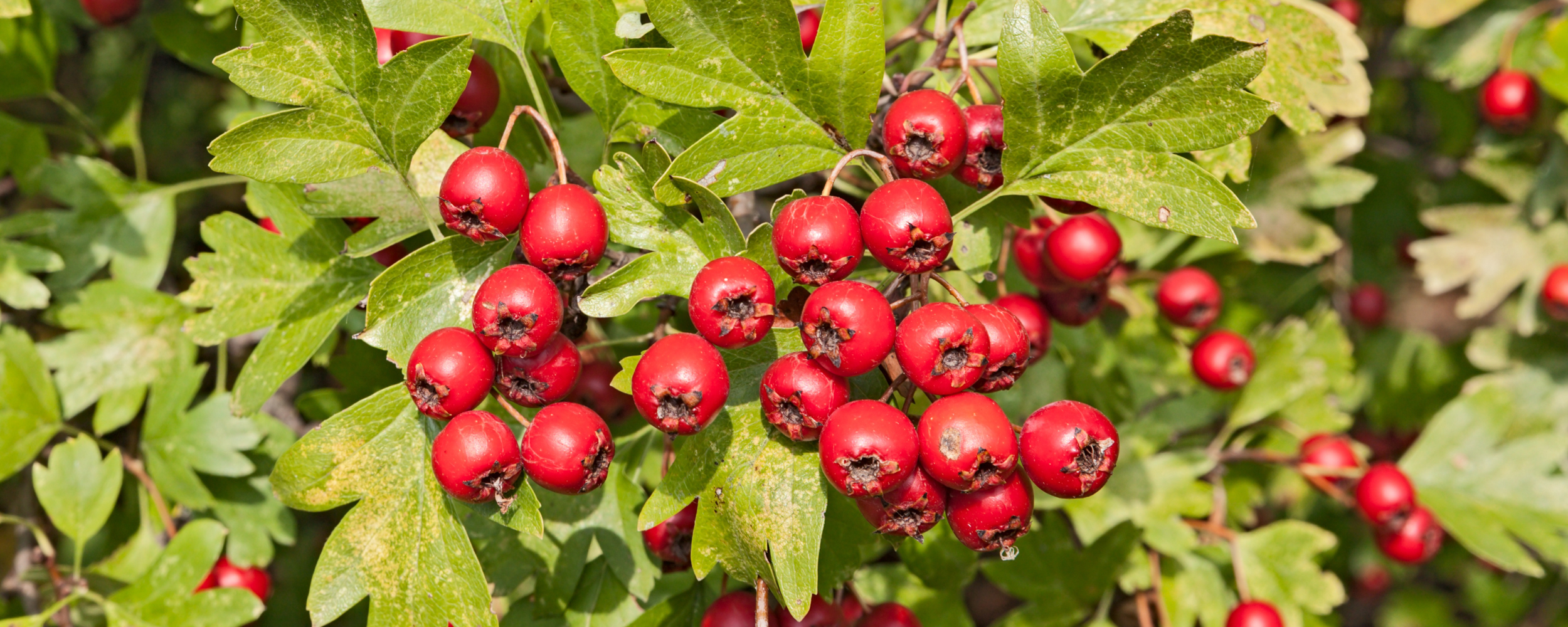
Hawthorne is a celebrated herb that speaks to both stress and cardiovascular wellness
Before we get into the ways chronic stress can challenge the heart and whole cardiovascular system, I wanted to point something out about the heart and chronic stress that I find very interesting and see often in our herbal clinic.
Many people who experience heightened levels of stress, anxiety, panic, worry, or dysregulation report feeling it in their heart center. They talk about the chest becoming tight and constricted, the heart feeling like it’s going to explode, the heartbeats feeling erratic and chaotic, blood pressure rising, and a sense that the heart has been moved out of its proper home in the chest. When people explain their experience of anxiety in this way I know that we must provide some direct nourishment and support to the cardiovascular system as this is a place where their stress is expressing. While other folks may experience their anxiety in the stomach or bowels, neck or back muscles, eyes or head, many folks find that it lands in the heart which can be really unsettling.
Because this is such an established pattern of anxiety presentation, we’re fortunate to have many specialized herbs that speak to both the stress and the cardiovascular system at the same time. Depending on the individual, their constitution, the way they experience cascades of anxiety, and which body-mind systems are most affected, this group of herbs can be explored to find the one that works best for the individual.
If you experience stress and anxiety in your heart center, I also encourage you to do some gentle, unforced breathing exercises where you bring your attention to the heart center and imagine that your breath is drawing in through the heart and out through the heart. This simple coherence practice as taught by HeartMath is a powerful way to create soothing space in the heart while building up adaptive resilience in the face of chronic stress, tension, and anxiety.
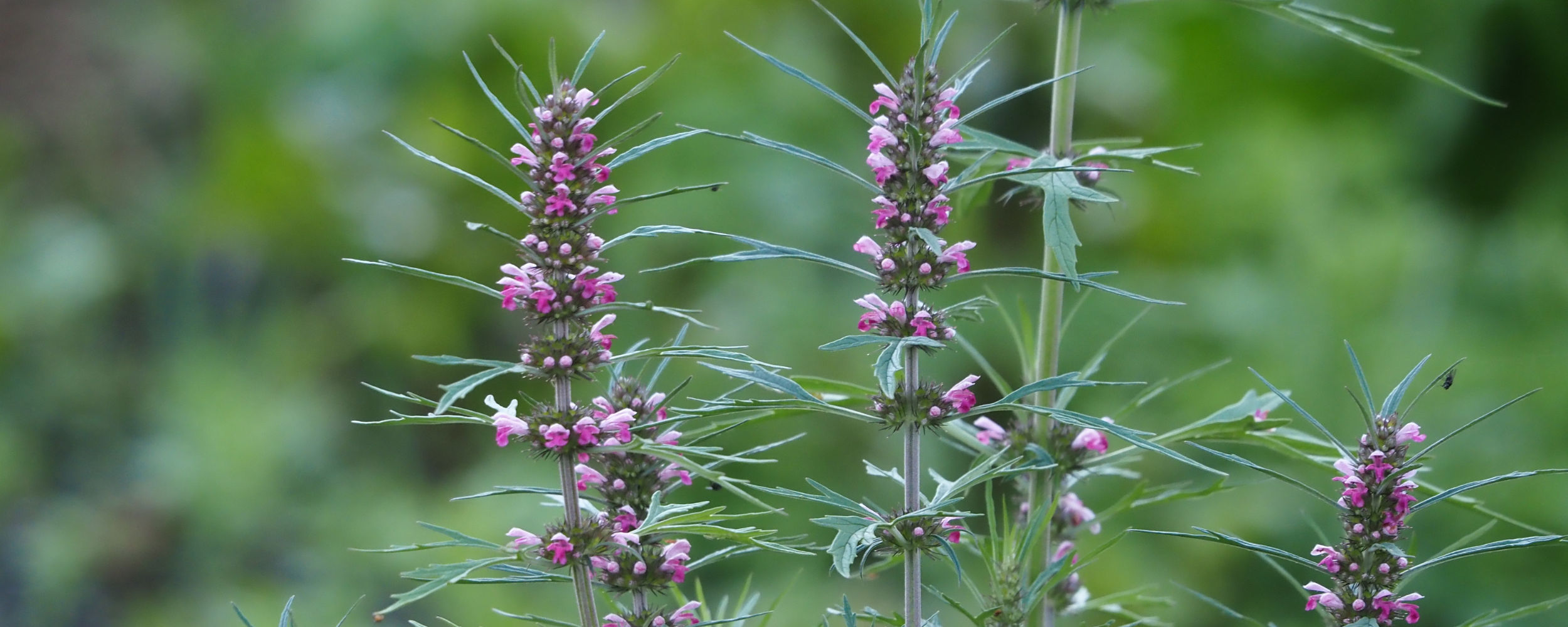
Motherwort, the Lion-Hearted Herb, is one of my favorite allies for heart-centered anxiety and stress
How Chronic Stress Impacts the Heart
The list of ways that stress and anxiety can cause issues for the cardiovascular system are many, but here I’d like to focus on just one because it’s the single issue that tends to appear in the most number of stressed-out people, even when they aren’t directly experiencing heart expressions of their anxiety.
When we’re under chronic stress, stress hormones like cortisol and adrenaline stay elevated. Rather than lowering after a stressor has passed, they remain high because we never truly check out of the stressful situations we experience; there’s just one after another. These elevated stress hormones raise blood pressure and heart rate as part of the amazing protective work they do, but when stress becomes chronic, blood pressure and heart rate are aggravated long term which is no longer adaptive, protective, or healthy.
When the blood pressure is high, the force and turbulence of the blood against artery walls increases greatly. This can stress and injure the delicate inner-lining of the arteries (the endothelium). Over time, this ongoing injury can cause endothelial disfunction which is like small microtears or injuries to the otherwise smooth walls of the arteries. It’s also worth noting that chronic elevated stress hormones also increase inflammation which adds another level of strain to the cardiovascular system and makes the whole system and all its parts more reactive.
When the microtears in the artery walls happen, the body will deposit immune cells, fats, and cholesterol to try and patch them. This can form the foundation of a plaque buildup within the arteries that can lead to some pretty serious cardiovascular issues.
Over time, this plaque builds up and hardens (atherosclerosis), narrowing the arteries and restricting blood flow… this is the blockage that raises heart-attack and stroke risk. Chronic stress compounds the problem indirectly too: elevated cholesterol and blood sugar, poor sleep, stress eating, and reduced physical activity all accelerate the same process. Chronic stress can also trigger constriction of already-narrowed arteries and promote clot formation, which is what can turn a stable blockage into an acute event.
As you can see, two seemingly unrelated body systems become intertwined in ways that can lead to some complex health problems over time. It’s a reminder that no part of us exits in isolation or in a vacuum- when one part of us struggles, all of us gets challenged.
My goal in sharing this isn’t to scare anyone who may be dealing with chronic stress and anxiety. It’s to gently remind that the stress we often write off as normal, part of life, or something we can just power through could be having real effect on some of the most important parts of our bodies and could be causing us issues down the road.
Even low levels of chronic stress are worth addressing with the support of mental health therapists, exercise, mindfulness, time in nature, self-reflection, lifestyle adjustments, herbal medicine, and self care.
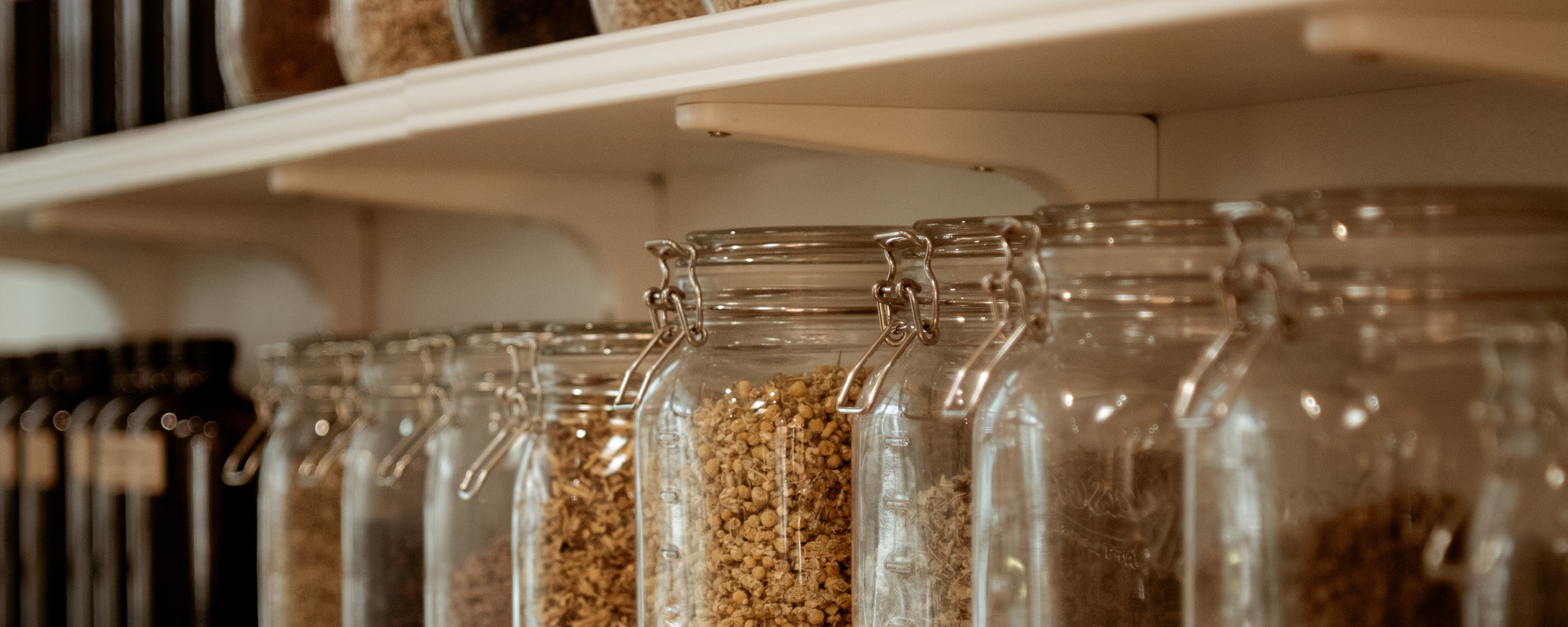
Herbal medicine is a profoundly regulating modality of wellness that’s gentle and effective- plants have a deep affinity for our nervous systems
Soothing Anxiety & The Heart with Plants
Even before connecting with a qualified herbalist to explore which herbal remedies and protocols are best for your experience of chronic stress and heart disharmony, there’s something safe and effective you can do to begin the conversation.
Plants, especially large and peaceful trees, are powerful regulators of the human nervous system- just being mindfully in their presence can help lower stress, calm the heart, and soothe the spirit. The beautiful research of Shinrin Yoku, the practice of forest bathing, gives us some profound insight into how plants can help us heal without even ingesting them in the form of herbal medicine:
Being among trees shifts the nervous system out of fight-or-flight and into the parasympathetic rest and digest state, where the body can settle and repair.
Studies on forest bathing show measurable drops in cortisol, the primary stress hormone, after time spent among trees.
Time with trees has been linked to lower heart rate and blood pressure, easing the cardiovascular strain that chronic stress creates.
Trees release airborne compounds called phytoncides; breathing them in has been associated with lower stress markers and a boost in immune activity.
The quiet, unhurried pace of sitting with trees calms mental chatter and rumination, which helps ease anxiety and racing thoughts.
Natural settings gently hold the attention without demanding it, giving an overstimulated mind a chance to rest and recover focus.
Slower, deeper breathing tends to come naturally in fresh air among trees, which directly signals safety to the nervous system and calms the heart.
In Chinese medicine terms, trees embody the Wood element and a grounded, rooted quality: sitting with them supports that same sense of being settled and anchored in yourself.
As you begin your journey into a more calm, centered, and peaceful you, I encourage you to go spend time with the plants. When you’re ready to engage with them on a deeper level, reach out and let’s explore your herbalism together!