Herbal Medicine - Beyond The Protocols
When many people hear of herbal medicine, they think about teas and tinctures and capsules and soaks; full stop. But herbalism, especially when practiced in the traditional ways, is so much more than just remedies. In this post I’d like to try and show you just how whole-person herbal support can be- and what it looks like when the herbs are part of an orchestration of natural wellness for every level of your being.
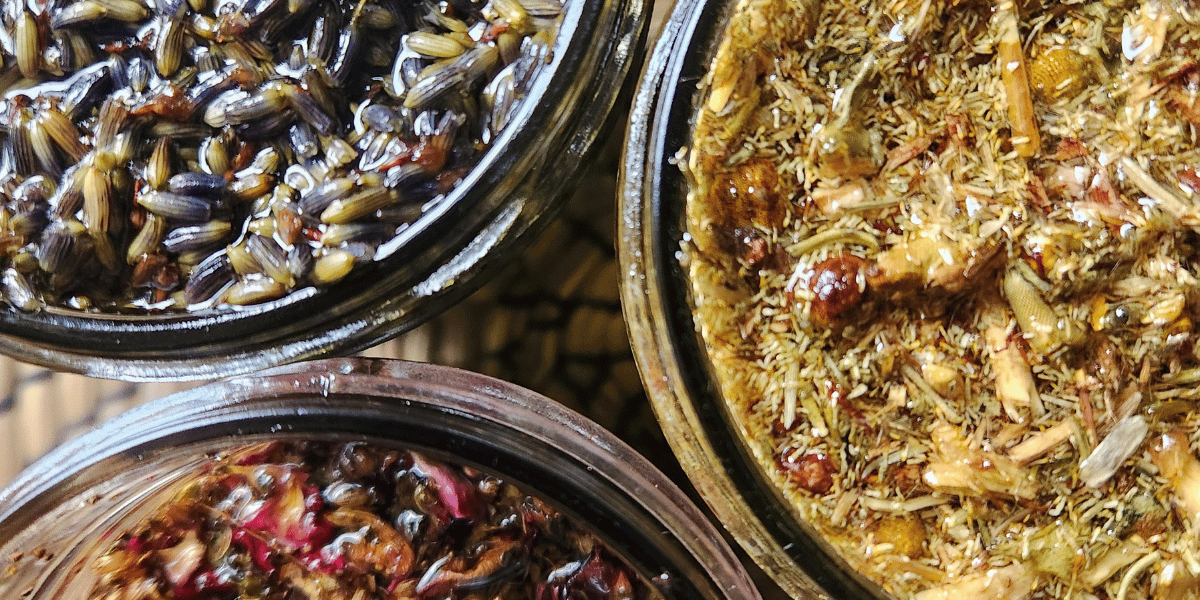
Three herbal liniments being crafted in our Herbal Apothecary in the Avenues district of Salt Lake City, Utah
Whole-Person is a Whole Perspective
Traditional herbal medicine is fundamentally a holistic art and science. This means that even when someone is experiencing symptoms or disharmonies in one specific part of their body, mind, energy, or life- we still take their whole being into perspective. Since we’re all a whole constellation of parts, it’s quite improbable that one part of us can be unwell without affecting many other parts of us. And, more often than you might think, a disharmony in one specific area can actually have its roots in a totally different area. As an example: someone who is dealing with inflammation and sharp pain the gut may find that their issue is actually rooted in problems at work. Another example: someone dealing with frequent urination may not realize that their irritated kidneys are actually the cause. When we don’t take the whole person into consideration through careful observation and dialogue, we can easily miss these important roots and end up just suppressing symptoms in a way that causes more problems later on.
Whole-person wellness also affirms that herbs aren’t the end-all-be-all of healing. They are one part of the many healing gifts nature provides us, and all of those gifts are equally important. A qualified herbalist will be able to take the language of herbal medicine and apply it to nutrition, movement, mindset, spirituality, community, and beyond- addressing all parts of being.
There are many ways a clinical herbalist might explore all these parts of self. In my own case, I use a combination of dialogue, traditional assessment of physical traits and expressions, biofeedback, energetic testing, and plant spirit connections.
Can Herbs Do It All?
This is a fun question for me to answer because the answer is both yes and no.
Yes, herbs have the ability to address any and all issue in body, mind, emotions, energetic flow, spirit, and even life path and story. There is nothing, nowhere, and no issue they cannot approach with their healing power when chosen correctly and administered properly for the unique individual.
No, because even when we work with the absolute perfect herb, we have to consider all of the other things we do all day, every day, that might be nourishing a problematic pattern.
For example: if someone is taking an herbal remedy to help with nutrient absorption and assimilation but their diet is low in nutrient-dense foods and high in processed, inflammatory, and hard-to-digest foods… the herbs are fighting an uphill battle. Can they help? Yes. Can they help enough to overcome a pattern that is being reinforced at every meal? Not likely.
Similarly, if someone is working through a lot of worry and anxiety around work, the herbs will be there to support them and keep them as safe and healthy as possible in the midst of all that stress, but until they allow the herbs to help resolve the issues at work, the cause will just return over and over again.
Traditional herbalism is not limited to herbs. Rather, it’s a language that can be applied to every single aspect of life. When we explore how an disharmony is manifesting for an individual and who that individual is, we end up with language that tells us how herbs, foods, exercise, mental atmosphere, daily rituals, and nature connections can be approached to cultivate actual whole-person healing.
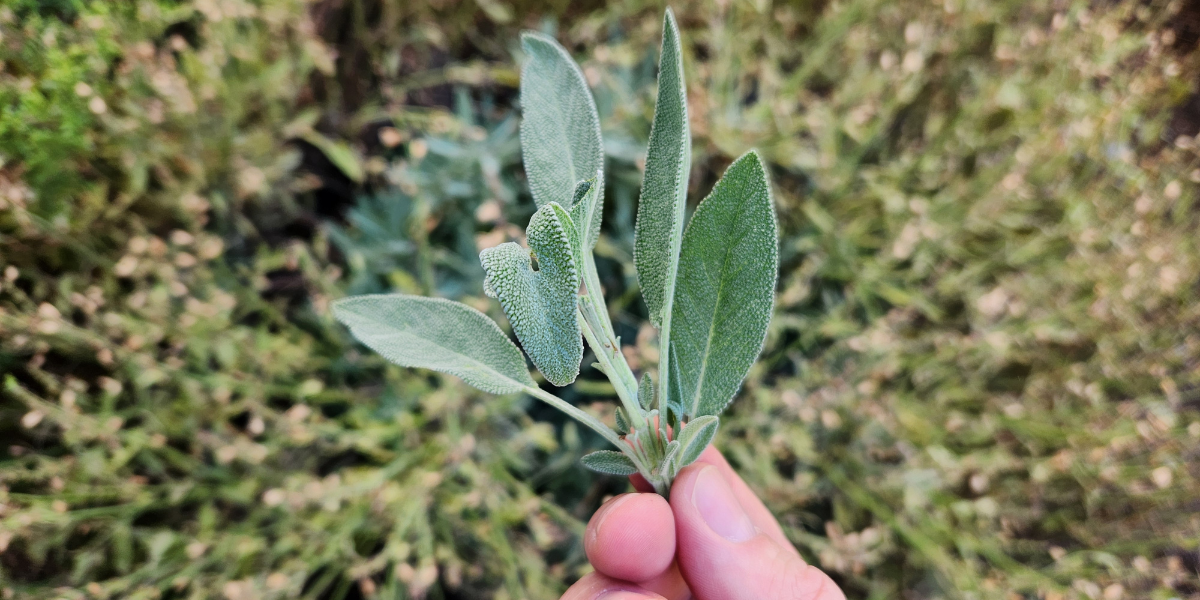
Herbalism is about language- beyond what we take and into how we take it and how we walk with it.
Meeting the Herbs Halfway
As mentioned before, there are many parts to who we are and conversely there are many parts to the process of healing. The good news is that with the language of traditional herbalism we’re able to define a clear and effective map to help us get where we want to be- and to help us help the herbs along the way. Here are a few ways that I bring this ancient herbal language into my own herbal clinic in Salt Lake City, Utah…
Food Is Medicine
They say you are what you eat, and this is a reminder that our bodies are built from the foods we eat every day. While we may take some herbs each day, we certainly take in a lot more food- so when what we eat is in opposition to the positive transformations we want to make, the process is guaranteed to be a whole lot harder. I’m not a dietician, but I can use the language of herbal medicine to talk about food. The same patterns I use to define which herbs a particular person can take for their unique expression of illness can be easily applied to whole, nutrient-dense, simple foods. When we get the foods we eat on board with the herbs we take, we’ve created a powerful foundation for success. I continually take advanced holistic nutrition training and nutritional therapy education to increase my ability to bring foods into the healing process.
Movement Matters
The broad-spectrum recommendation of ‘get exercise’ is about as helpful as saying ‘Valerian Root is for sleep’. It’s too vague, doesn’t meet people where they are, doesn’t take the individual into consideration, and overlooks that not all exercises (and herbs!) are right for everyone. In fact, some exercises can exacerbate a condition in the same way that Valerian Root can cause aggravated insomnia in specific people. It’s all about the language and knowing which remedy for which person.
Movement is crucial because the body, mind, emotions, and energy systems rely on it to do all their jobs properly. Without intentional movement the lymph stagnates, the mind ruminates, the emotions get stuck in tissues, and the vital energy of life doesn’t flow with power.
What You Think About Is Powerful
How’s the weather up there? If the herbs are moving us in the direction of our sacred center but our thoughts are all day spinning out in catastrophic meltdown, guess which one holds he most influence over health and life? Addressing mental health, mindset, meditation, and positive psychology are crucial to whole-person, holistic wellness in my practice. I truly believe that what we think about, we bring about- so let’s do what we can to make sure we bring about good things. Sometimes when mental atmosphere is at the root of a physical issue, I encourage my clients to begin our work together with herbs and practices that address the mind… then we get to the body physical later on once a fertile ground of healing and empowerment has been made.
Spirituality, Rituals, and Connections
I have found in over 10 years of private practice as a clinical herbalist in Utah that what we do matters. When we look at the ancient axioms of Pagan traditions, for example, we see a whole lot about what people did- and very little about what they thought on it. The actions, rituals, and connections we nourish matter so much- and they create waves of power in our lives.
When my clients are open and welcoming to it, I love to share simple yet powerful herbal rituals to help bring positive energy to the everyday. I work with spiritual herbalism modalities like tea ritual, guided meditation, nature walks, forest therapy, gardening, and so much more to help people craft a spiritual connection to the plants that gives them inspired access to healing and wellness.
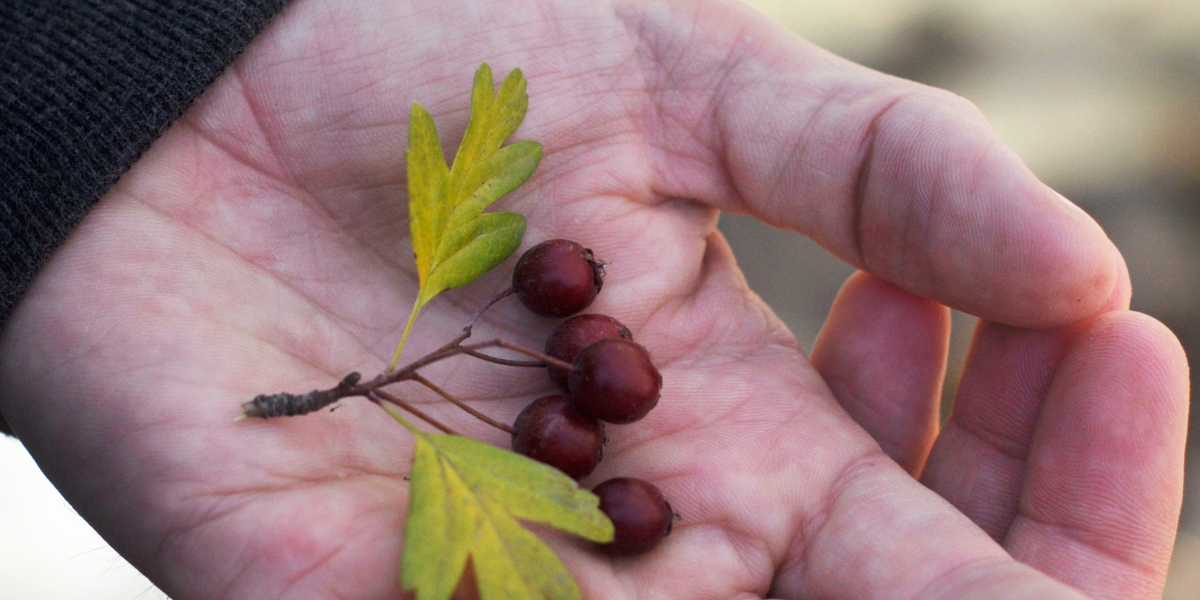
The plants bring more than nutrients and phytochemicals- they also carry profound wisdom rooted in Nature
Holistic Herbal Medicine
From the wisdom of Traditional Chinese Medicine, Ayurveda, Unani-Tibb, and Kanpo to the mystery traditions of Vitalism and the Plant Spirit Path, our Nature-taught languages of pattern and potential are rooted in the vibrant green world and flow into our lives every day. My practice is all about connecting humans to plants for the cultivation of harmony, peace, plenty, and joy. I hope you’ll connect with me to learn more.
I invite you to visit me at our herbal clinic in Salt Lake City, Utah where I work with a vibrant selection of organic and wild-harvested herbs and their wild wisdom.