Improving Digestion with Herbs
Here in the clinic, one of the most common reasons people come visit is to address digestive complaints. From sluggishness to acidity, tension and pain to poor nutrient assimilation- the ways our gut can be troubled are many! Beyond just getting people out of pain and feeling more comfortable, there are so many reasons why taking excellent care of the digestive system is important. One reason, which is particularly important for me, is that many herbs cannot do their work properly if the body isn’t able to digest and process them. We can take all the herbal remedies we want every day, but if the digestion doesn’t handle them properly, we’re essentially just making really expensive trips to the bathroom- it’s all getting flushed.
Because there are so many ways gut health can be compromised, there are a lot of ways we approach holistic digestive care in herbal medicine. One way that I’ve found at the root of many, if not most, cases of digestive complaint is the modern disease of stress, anxiety, worry, and nervous tension. Just when you though stress couldn’t cause another layer of issues, we find out how many of us have anxiety settle into the stomach and disrupt everything. I find it interesting how many of my clients here at our herbal apothecary in Salt Lake City think anxiety stays ‘up there’ in the head. While the spectrum of anxious issues often focus around thoughts, the whole body experiences them whether we’re consciously aware of it or not.
To foster exceptional digestive health with herbs, then, often starts with looking at how much stress and strain a person experiences and where in their physical body that big energy settles. We have to put it somewhere! If it’s not going into your neck and shoulders, your feet, a clenched jaw, or a tight chest, it may just be going to your belly.
Gratefully we have several incredible herbal allies that can support the body in getting back to a calmer and easier digestive process. In traditional herbal medicine, we understand that the body is profoundly intelligent. Rather than working with herbs to push the body into doing better, we approach this work by nourishing the innate wisdom of body to do what it knows is best. So, as you read through the ideas below, know that they affirm the power of your own body and its ability to perform well when given the right support.
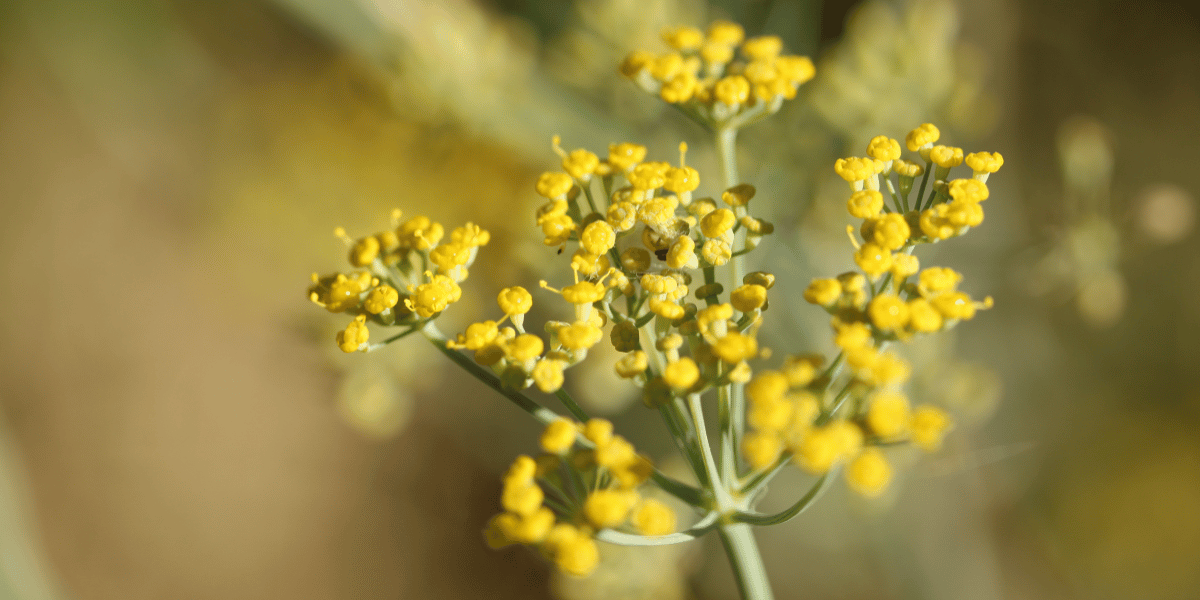
Fennel Seed is a powerful herbal ally in supporting everyday digestive wellness when the energies of cold-damp are causing trouble
Why The Belly?
As mentioned earlier, the stomach and digestive tract is just one common place where people can ‘store’ their stress. Other areas include muscles, the jaw, the eyes, hands, feet, the diaphragm and lungs, or even the skin. The energy of anxiety and stress is electric while it’s depleting- and it has to go somewhere. The wise body will try to move this energy into tissues so that it can be grounded and processed, but when waves and waves of excessive stress come one after the other, the body simply cannot keep up.
Many people who store stress in their gut are working through anxieties that relate to processing intense life events, taking care of themselves, figuring out what works in life and what doesn’t, and getting in touch with their sense of belonging. The stomach and digestive systems are all about taking what nourishes us and passing the rest along in the restroom. So, when these systems take the brunt of strain, there is often a correlation.
The herbs and protocols we work with when digestive functions are troubled by strain have a natural affinity for these parts of the body, move into them gracefully, and bring the right kinds of support to help the body process more efficiently. I’ll share something with you about three of my favorite herbs for digestion below and give you some insight into why these herbs do what they do.
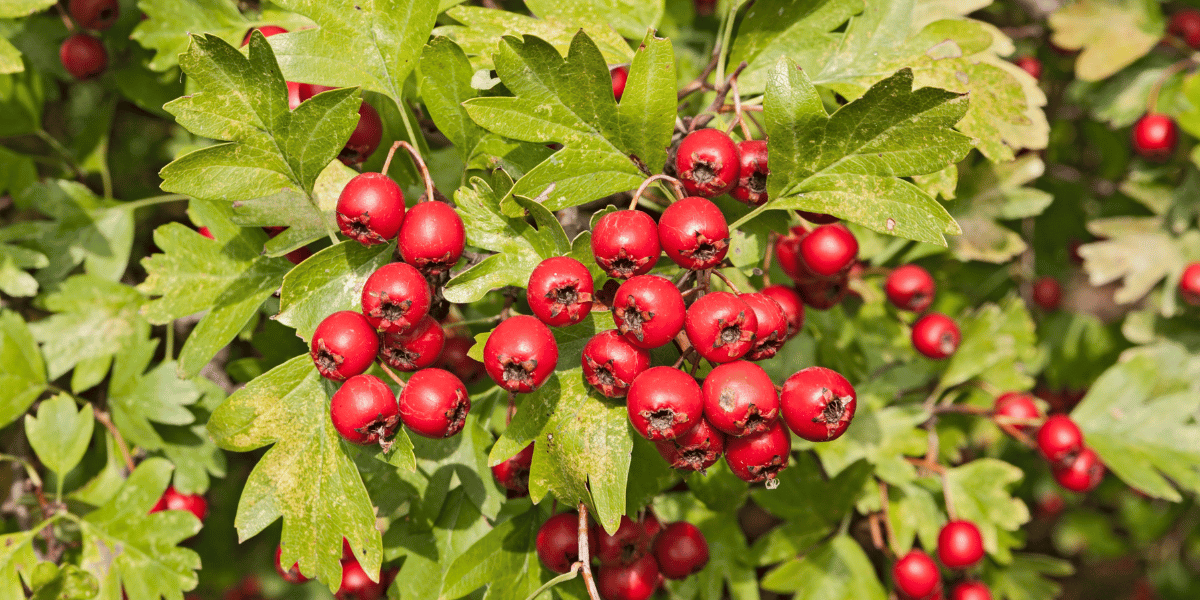
Hawthorn Berries (Crataegus spp.) can help strengthen a healthy communication between emotions, thoughts, and digestion
Hawthorn Berries
Chances are if you’ve heard about the medicinal benefits of Hawthorn, it’s been in connection to the cardiovascular system and helping with things like blood pressure, heart rhythm, and emotional resilience. I love working with this sacred tree for just about all things heart- but I also bring Hawthorn in for many clients dealing with digestive issues.
If you look at a well-rounded materia medica of traditional Chinese herbs, you’ll find the illustrious Shān Zhā, Hawthorn tree fruit. This is a rare example of a medicinal plant that was well established in western materia medica, moved to the Chinese materia media, and gained new perspectives of application when that happened. While Traditional Chinese Medicine (TCM) continues to value the heart-protective nature of this tree, they’ve added in an understanding of digestive healing that’s rooted in their powerful methods of assessment and protocol.
Hawthorn Berries are celebrated in Chinese herbalism as a remedy for food stagnation whereby food lands in the stomach and sits there for too long causing bloating, discomfort, fatigue, and sluggish movement. There are many reasons why food stagnation happens, most commonly because the stomach has become energetically cold due to drinking cold beverages with meals, not getting enough exercise, not dressing properly during cold weather, eating too much cold or raw foods at the wrong time of year, or being out of harmony with one’s own constitution. Hawthorn helps to activate and move the digestive fire so that food can be broken down, processed, and sent on its way without all the drama.
The link between heart and belly is important in this herb. Coldness in the stomach can often be cause by emotional coldness- feeling isolated, alone, depressed, sad, or disconnected. When this picture emerges for me in a session at the clinic, I know Hawthorn is likely the best remedy. We can work with Hawthorn Berries in tea or tincture form, but when it comes to digestion we usually use a specially-prepared medicine that involves dry-frying the berries at a specific part of their development to increase their warmth and ability to nourish digestive fire and resolve digestive obstructions in energy flow.
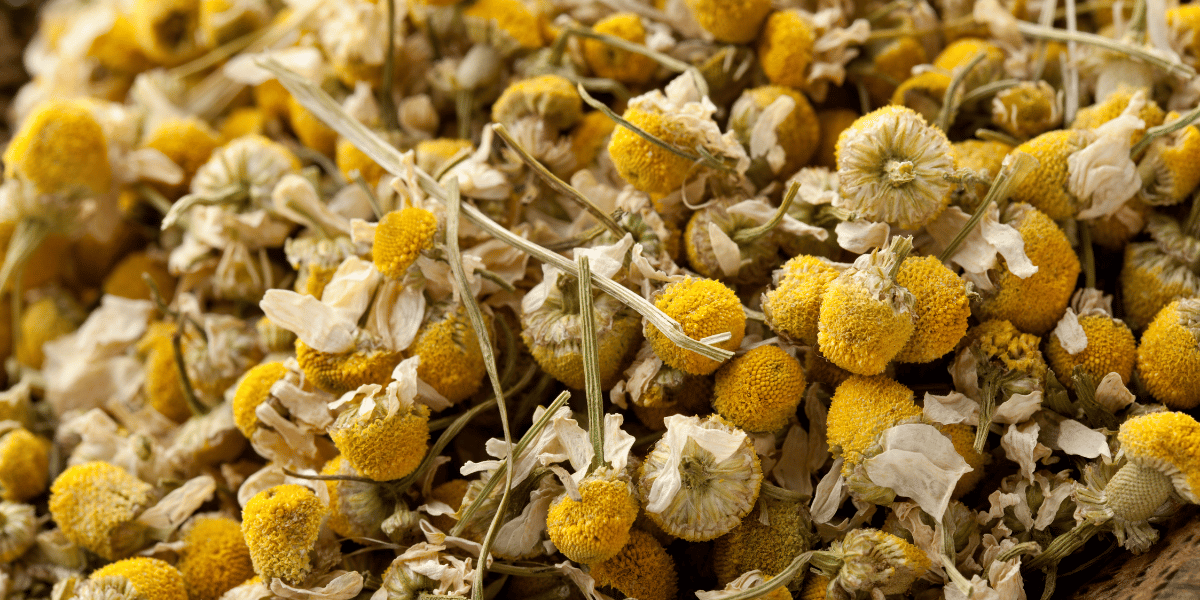
Dried Chamomile (Matricaria chamomilla) smells like fragrant Apples and is an unparalleled herbal ally for the digestion
Chamomile Flowers
A most delicious sipping tea, Chamomile has a deep affinity for the nervous system and also for the digestive system. When nerves, tension, stress, anxiety, worry, trauma, or life changes (both positive and challenging) lead to disturbances in digestion, Chamomile is often one herb I want in a client’s formulation.
The fragrant nature of this plant when taken as a warm, comforting tea often hides a bit of bitterness. If you’ve ever over-steeped Chamomile tea you know just how bitter this little flower can get! Like most bitter herbs, Chamomile activates digestive function, increases the flow of digestive enzymes, regulates the timing of many organs involved with digestion, and gets things moving. But the real blessing of this plant is that while all of that activity is happening, excessive stress and tension are being gently un-winded from systems, tissues, and functions. Chamomile encourages digestion while helping relieve stress from that same system.
In cases where a client feels anxiety in their stomach, gets recurring ulcers or canker sores associated with heightened stress, or finds that their stomach is in knots when things are intense- this is an herb I will consider. Chamomile can be taken by most people as a daily sipping tea to help provide important nourishment to the nervous system while warming, moving, and settling the stomach. I will almost always combine this herb with others to help harmonize the formula and attend to the unique constitution of my client- but even a simple cup of Chamomile herbal tea on its own can provide great relief for many people.
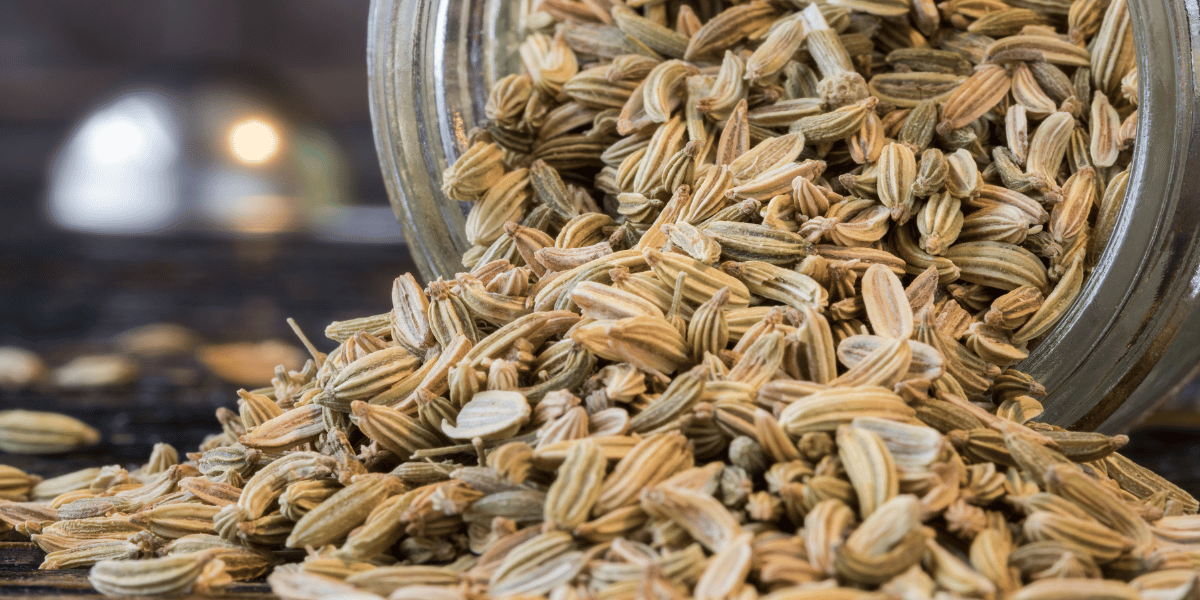
Fennel Seeds (Foeniculum vulgare) make digestive herbal medicine delicious
Fennel Seed
Aromatic and warming, Fennel Seeds gently stoke the digestive fire and help the body prepare for food. I really love working with these seeds both before and after a big meal to support healthier digestion with less discomfort. While Fennel Seeds can be a really nice all-purpose support to digestion when a few of them are eaten before or after food, they have a special connection to anxiety and its influence on digestion.
As an exceptional plant of the element Air, Fennel can help release tension and constriction from the mind where our worries, repetitive thoughts, catastrophic thinking, and other anxieties can get us so wound up we simply cannot eat. Fennel encourages us to meditate on the connection between the sympathetic nervous system (fight, flight, freeze) and the parasympathetic nervous system (rest and digest). Each of these functions in the body are there to keep us safe- but we’re only digesting food in the one we experience as calm and centered. When in sympathetic fight-or-flight activation, digestion often slows to a halt as the body prepares for more pressing issues.
Fennel can help gently ease the body into a parasympathetic state by warming the belly, encouraging action in the bowels, and working in formula with specialized bitter herbs to kick on the digestive processes.
You may notice in many Indian and other Southeast Asian restaurants that a small dish of Fennel is kept out. This is a testament from the ancient traditions of Ayurveda to the healing of this plant and how helpful they are for eating and digesting well.
If you’re working on a healthier, happier digestive system and find that stress and anxiety just make things worse, I would love to help you find the herbs, formulas, and protocols that can support your healing. As a clinical herbalist in Salt Lake City, Utah I look forward to working with clients who are excited about Nature’s healing herbs and want to engage with the wisdom of our plant allies.
In addition to exceptional herbal care, our clinic also offers easy food sensitivity testing (IgG) and holistic nutrition guidance based on ancient perspectives of whole-person wellness through food as medicine.