Medicinal Plants of the Wasatch Front and How They Inform My Clinical Herbal Practice
Like all bioregions in the world, Salt Lake City is a unique place that brings special gifts and challenges to our overall wellness. One of the greatest boons of traditional herbal medicine is that rather than assuming every person should take the same herb for the same issue, we take into consideration many ecological factors that influence health- one of them being where a person lives! Just like diet, exercise, mindset, and genetics, the place we can home affects many aspects of our overall wellness. This is why working with an herbalist in Salt Lake City will often produce better outcomes than taking general information from a book or working with a practitioner who’s in a totally different microclimate.
Here are a few things I consider when working with clients here in Utah- each of them plays an important role in our overall whole-person health and the process of healing with herbs.
ALTITUDE
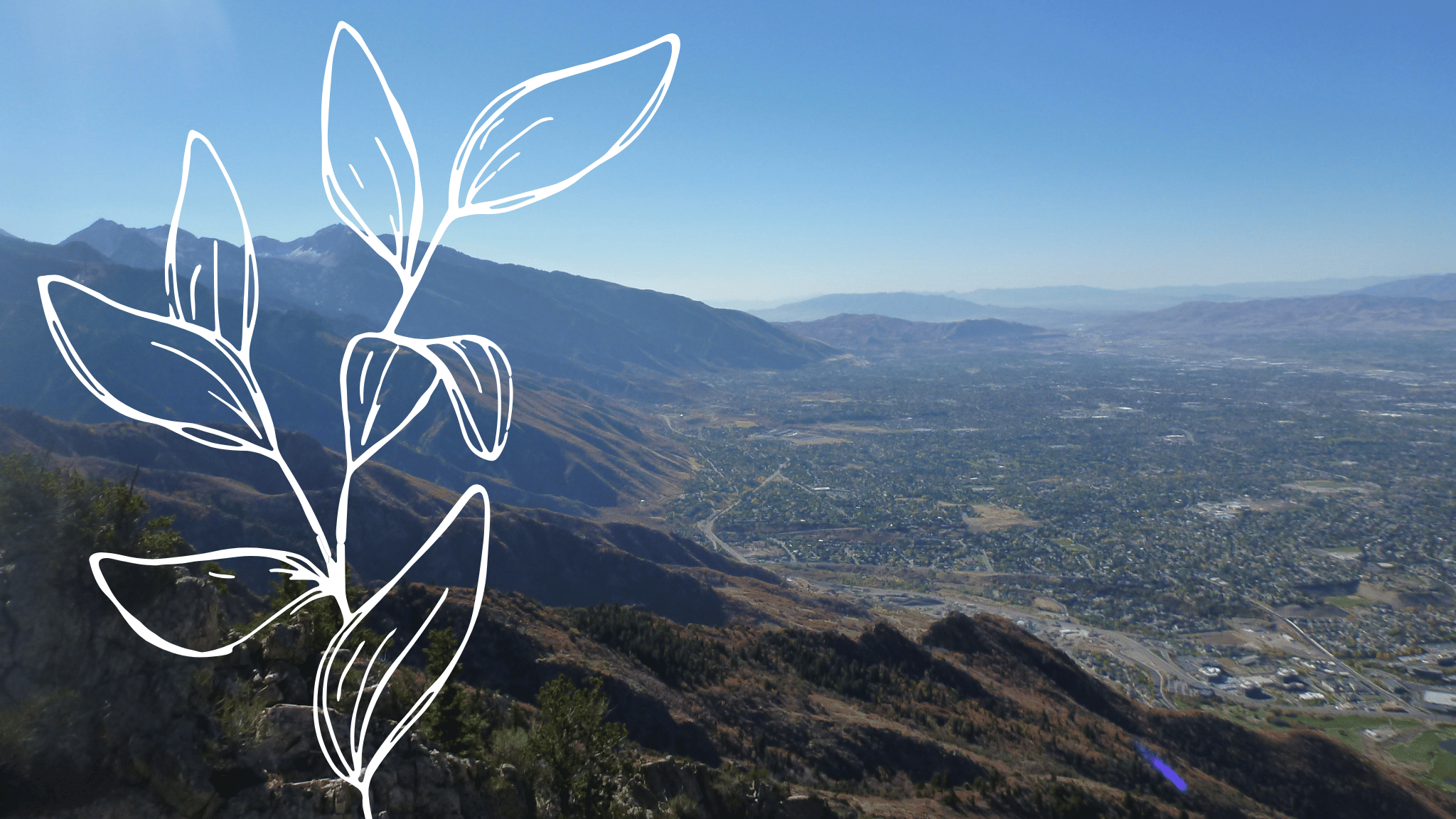
I was born and raised in Salt Lake City, and when I visit places closer to sea level I can really feel the difference! Similarly, when folks visit or move to this area our altitude can cause a lot of problems as they adapt and adjust. Sitting at over 4,300 feet above sea level, Salt Lake City is one of the higher elevation locations in the states- right next to Colorado which boasts the highest elevations in America.
While folks usually acclimate to the nuances of high altitude living, there are still things to consider that influence our everyday wellness.
Lower oxygen levels can increase base level heart rates and invite a greater need to take excellent care of our hearts through daily herbal remedies.
Higher heart rates lead to quicker respiration which can cause dryness, fatigue, and strain on the upper respiratory tissues. Many people who live in the area find it dry even if they’ve been here their whole lives- and that dryness can be exacerbated by quicker breathing.
It can be harder to keep the tissues, organs, and processes of the body well-hydrated at high elevations. Herbs can help hydrate, protect, soften, and regulate vital fluids in the body.
High altitudes can make it harder for the brain to function and may lead to decreased blood flow and cognitive function. Herbal medicines can harmonize this and help with overall vascular and brain wellness.
High elevations have been linked to elevated occurrences of some mental health issues. Herbal medicine can be a gentle, safe, and effective way to support whole-person wellness including mood, stress, and a connection to joy.
CLIMATE
Utah as a whole is dryer than many other places in the states. This dryness can aggravate many conditions from respiratory to digestive, skin to immunity. When my clients are dry in constitution and/or have an illness that causes specific or systemic dryness, I know that the dryness of our climate will exacerbate these conditions greatly. This requires a response in herbal remedy formulation that ensures we don’t continue the individual down the spectrum of dryness but rather introduce healing herbs and whole foods that restore and protect vital fluids and fluid movement in the body.
SEASONS
One of my favorite things about living in Salt Lake City is our four distinct seasons. I appreciate so much being able to watch the rhythms of nature unfold and spiral through their annual dance- and enjoy participating in them as well.
Having four seasons means that our bodies must adapt to many types of changes several times every year. While we’re built for this, it’s still a lot of work and can exacerbate conditions like allergies, stress, insomnia, digestive complaints, skin conditions, and mood. Herbal medicine is exceptional at helping us build up adaptive energy so that seasonal shifts don’t deplete us.
POLITICAL, CULTURAL, and RELIGIOUS INFLUENCES
One thing almost everyone I’ve ever known who visits Salt Lake City mentions is how nice everyone is. I start with this because I want to make it clear that what follows is by no means a judgment on the kindness of people in our state, but rather acknowledgement of how various aspects of Utah culture can be stressful and even harmful to individuals who are part of specific communities.
Like many place in the world, Utah has a predominant local culture that can be heavily influenced by one of the larger religions practiced in this area. This culture can be welcoming to some and alienating to others. I think it’s important to note how social and political environments can influence overall wellness just as much as other kinds of environmental factors. When people don’t feel safe, seen, or supported, the body can react with heightened levels of stress and anxiety which can cause a cascade of health issues.
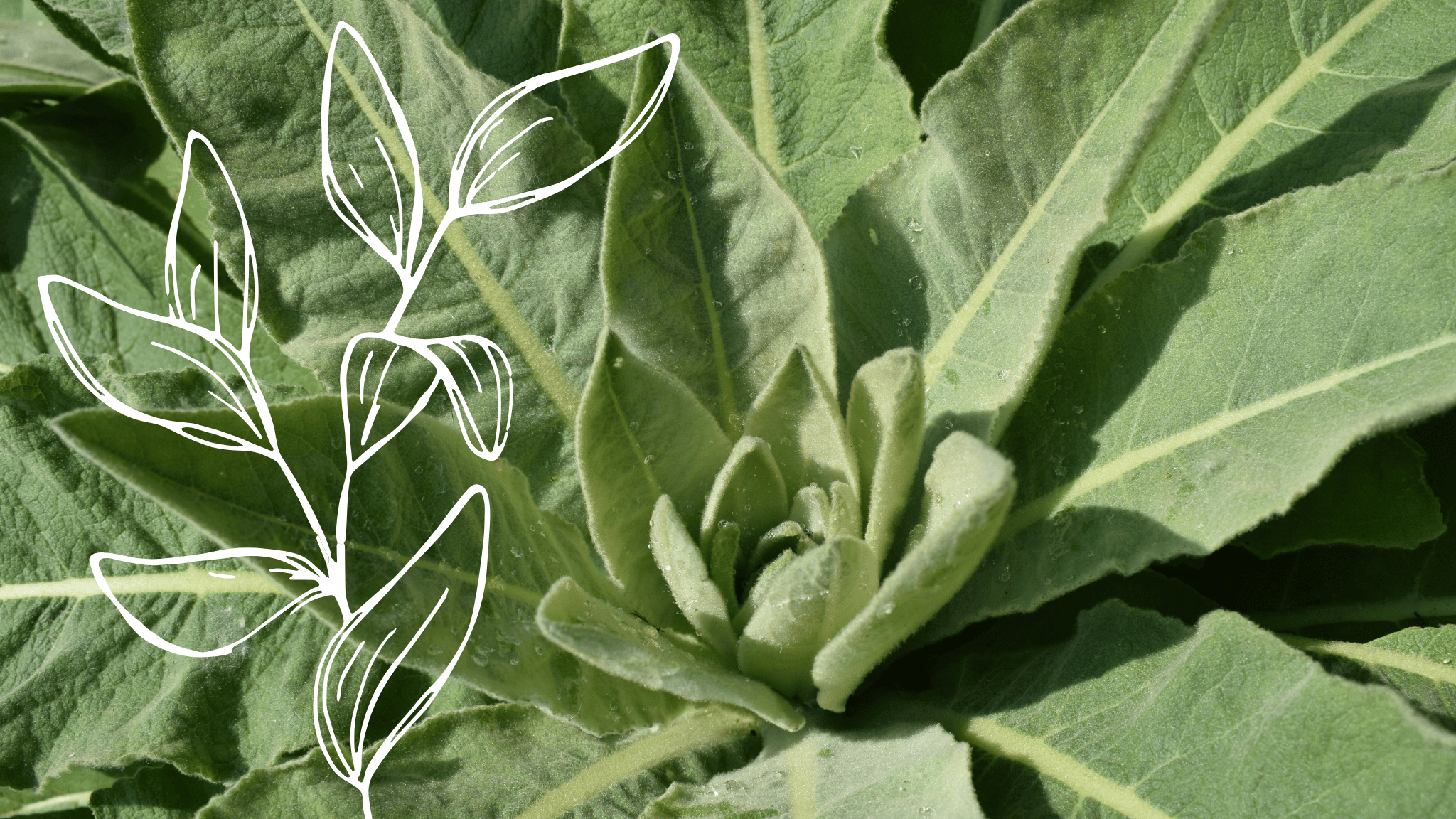
Mullein (Verbascum thapsus) is a cherished medicinal herb for people living in Salt Lake City, Utah
MEDICINAL PLANTS OF THE WASATCH FRONT
There’s something about herbal medicine that never ceases to fascinate me. When areas have recurring issues based on the above mentioned influences, there are always native plants that speak to the issue and support the body in staying resilient. It’s an ancient belief in herbalism that wherever there’s a manifestation of disease, there will also be a plant that holds wisdom, magic, and medicine to fix it. Always!
Many people are surprised to find out just how diverse the plant life here is in the high desert- many of North America’s most beloved medicinal herbs can be found thriving here year after year. This means that we have the invitation to get to know the plants that grow right here next to us. We don’t need to order them from online shops or have them extracted from delicates areas of the Amazon. The plants that are most important for our wellness are always the ones that share our bioregion. We’re already in deep kinship with them, and they hold medicine that speaks to where we are and who we are.
A few plants that are either native to our area or have become nativized and require little to no extra care to thrive here include:
Greater Mullein - Verbascum thapsus
Linden - Tilia spp., specifically T. europaea and T. americana
Cleavers - Galium aparine
Burdock - Arctium lappa
Reishi Mushroom - Ganoderma lucidum
Yarrow - Achillea millafolium
Globemallow - Sphaeralcea incana
Juniper - Juniperus osteosperma
Each of these incredible plant allies brings specific kinds of medicine that can be a good fit for some people- and they’re all around us, right here!
A great book that comes from working with a local clinical herbalist is that in addition to their skill and experience in supporting your wellness journey, they will also be in deep relationship with the plants that grow around us. Many herbalists, myself included, offer seasonal herb walks and workshops that focus on identifying local plants and learning about their connections to medicine and folklore. I have often walked clients out of our clinic to introduce them to a plant in our garden or growing nearby; one that is part of a custom herbal formula they received as part of their session… full circle!