Herbal Medicine for Mood Support, Anxiety, and the Stress Underneath It All
A Whole Person Look at Plant Based Mood Care From a Clinical Herbalist in Salt Lake City

St. John’s Wort (Hypericum perforatum) is a popular mood-supporting herb that is only the right fit for very specific patterns
The way mood shifts and bends through our lives is rarely simple. Maybe you have noticed it lately. An anxiety that hums in the background even on good days. A low mood that flattens what used to feel meaningful. A fatigue that no amount of sleep resolves. A focus that drifts away from you mid sentence. A quiet sense that you are no longer fully here, no longer fully connected to your own life.
If any of this is familiar, you are not alone, and you are not failing at anything. These patterns are some of the most common reasons people come to my clinical herbal practice in Salt Lake City, and they almost always have a common thread running beneath them. That thread is stress. This post is a thorough and grounded look at how herbal medicine, in the context of personalized care, can support mood across many of its expressions, and why understanding the stress underneath your mood often changes everything.
The Stress Beneath the Mood
One of the most useful reframes I can offer is this. We tend to think of mood as something the mind does. In the body, mood is woven into every system. It is shaped by the nervous system, the gut, the hormones, the immune system, the quality of your sleep, and the steady drip of stress chemistry coursing through your day. Mood is not a thing apart from your body. It is the body, expressing itself.
This is why chronic stress is so often at the center of mood patterns that will not lift. When the stress response stays activated for months or years, it disrupts the systems that govern emotional balance. Cortisol falls out of its healthy daily rhythm. Sleep architecture breaks down, and disrupted sleep alone can flatten mood and sharpen anxiety dramatically. Inflammation rises throughout the body, and rising inflammation has a measurable effect on mood and motivation. The nervous system becomes depleted, leaving less capacity for resilience, joy, and presence.
So when we look at a mood that has been struggling, the practical question is rarely just what mood is doing. It is what stress has been doing underneath it. Personalized herbal care begins with that question.
The Many Faces of a Mood That Is Not Quite Right
Mood does not arrive with a single face. It shows up in many ways, and recognizing the particular shape of your experience is the beginning of a thoughtful exploration of how herbal medicine and supportive practices might help. Below are several of the common expressions I work with, all of which can be understood, in part, through the lens of stress.
Anxiety and the Wired, Vigilant Mind
Anxiety is exhausting in a specific way. It is not only the worry, but the steady physical vigilance, the bracing of the shoulders and jaw, the sense that something is just slightly wrong even when you cannot name it. Many people who live with chronic anxiety have stopped noticing how much of their nervous system is engaged in low level threat detection every minute of the day. This is what chronic stress does to a nervous system over time, and herbs that gently nourish and regulate the nervous system can offer real support, alongside practices that begin to build a felt sense of safety in the body.
Low Mood, Heaviness, and a Sense That Color Has Faded
Some moods feel less like sadness and more like a flatness, a lowering of the volume on everything. The things that once felt meaningful feel further away. This kind of low mood, often called depression, has many possible roots, and stress driven depletion is one of the most common contributors in modern life. Personalized herbal education can include suggestions that gently support neurotransmitter balance, mood resilience, and the deeper restoration of a nervous system that has been giving too much for too long.
Fatigue That Sleep Does Not Resolve
There is a difference between being tired and being depleted. Tired is what sleep restores. Depleted is what you feel when sleep itself stops being restorative, when the energy you used to count on has quietly disappeared, when your stamina runs out before the day does. This kind of fatigue is almost always multifaceted, often involving the adrenal stress response, sleep quality, blood sugar, and the cumulative weight of chronic stress on every system. Herbal traditions have a rich approach to exactly this pattern, with plants that support energy at the cellular level rather than whipping an exhausted system with caffeine.
Fatigue That Sleep Does Not Resolve
There is a difference between being tired and being depleted. Tired is what sleep restores. Depleted is what you feel when sleep itself stops being restorative, when the energy you used to count on has quietly disappeared, when your stamina runs out before the day does. This kind of fatigue is almost always multifaceted, often involving the adrenal stress response, sleep quality, blood sugar, and the cumulative weight of chronic stress on every system. Herbal traditions have a rich approach to exactly this pattern, with plants that support energy at the cellular level rather than whipping an exhausted system with caffeine.
Focus, Concentration, and a Mind That Will Not Stay
A scattered, hard to gather mind is often a sign of an overactivated nervous system. When stress chemistry is high, the brain prioritizes scanning the environment for threat rather than settling into sustained focus. Improving focus, for most people, is less about adding more stimulation and more about restoring the nervous system regulation that allows steady attention to be possible. There are also herbs with a long traditional use in supporting clarity, attention, and cognitive resilience, and they often work best as part of a wider plan that addresses the underlying stress and depletion.
Brain Fog and the Felt Sense of Slowness
Brain fog is one of the most common complaints I hear. It is the experience of the mind feeling cloudy, slow, and effortful, as if you are thinking through cotton. It can arise from many sources, including chronic stress, poor sleep, inflammation, hormonal shifts, and depletion. Personalized herbal exploration may include suggestions that support circulation to the brain, calm the inflammatory background that fog tends to grow from, and restore the energy the nervous system needs to think clearly.
Feeling Disconnected From Your Own Life
This is perhaps the hardest one to describe, and one of the most common. The sense that you are watching your own life from a slight distance. That you are doing the right things without quite feeling them. This kind of disconnection is often the nervous system's way of conserving capacity when it has been overwhelmed for too long. It is not a personal failure. It is a protective response, and like other stress patterns, it can soften over time as the system feels safe enough to come back. Plants, ritual, time in nature, and relationship based herbal practice can all gently help with this returning.
Why a Personalized Herbal Approach Matters
One of the great strengths of clinical herbal practice is that no two formulas are the same. Two people can be describing what looks like the same mood, and the herbs that genuinely serve each of them may be entirely different. This is because traditional herbal assessment considers far more than the symptom label. It considers constitution, temperament, energy patterns, history, sleep, digestion, nervous system state, and the particular story of how each person arrived where they are.
This is why personalized herbal education tends to support mood far better than picking a popular herb off a shelf. A herb that is wonderful for one person can be entirely wrong for another. Working with a qualified clinical herbalist gives you a thoughtful, individualized exploration rather than a generic recommendation, and the suggestions you receive are designed for the whole pattern of who you are.
If you are curious about how a personalized herbal approach might support your mood, an initial consultation is an unhurried conversation about your whole picture. There is no pressure and no expectation. You are welcome to reach out whenever you feel ready.
A Word About Popular Mood Herbs: St. John's Wort, Saffron, and Lemon Balm
Three plants come up again and again in conversations about mood, and each deserves an honest word.
Saint John's Wort has one of the longest and most studied histories of any herb associated with low mood. It has genuinely helped many people, and at the same time it interacts with a long list of medications, including many antidepressants, birth control pills, blood thinners, immunosuppressants, and others. Taken with the wrong medication, it can be dangerous, and even on its own it is not the right plant for every mood pattern. Used without skilled guidance, it can sometimes worsen the very experience it was reached for.
Saffron has an increasingly substantial research base around mood and emotional resilience. It is a beautiful plant and a meaningful ally for some people. It is also not appropriate at every dose or in every context, can interact with certain medications, and may not be a fit for every mood pattern, especially in those with bleeding concerns or who are pregnant.
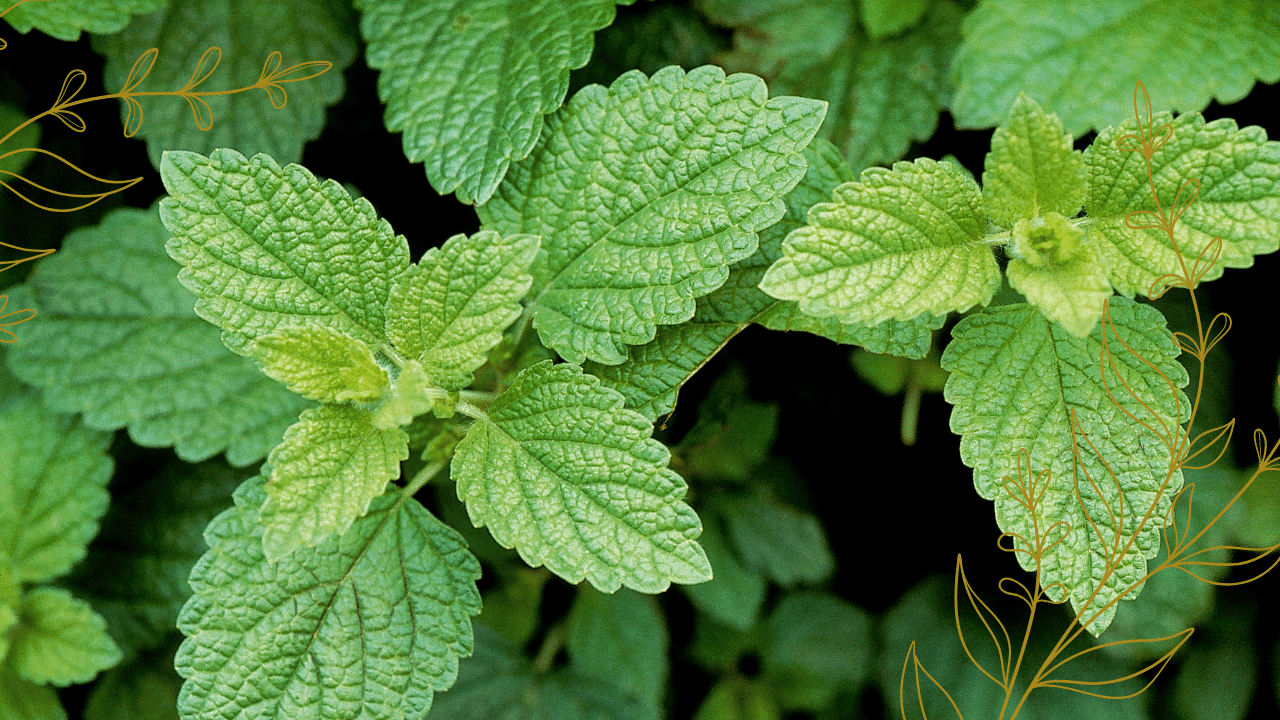
Lemon Balm is one of the most beloved herbs in Western tradition, gentle, bright, and useful in countless ways. Even so, it can interfere with some thyroid medications, and in certain constitutions, particularly those that are already cold, depleted, or sluggish, it may deepen the very heaviness someone is hoping to lift.
The point of saying this is not to discourage you from these wonderful plants. It is to underline that popular does not mean right for you. The herbs that genuinely serve your mood and your body are best identified through personalized assessment with someone trained to consider all of these factors, your other medications, your constitution, your full picture. That is exactly what clinical herbal practice is for.

Herbal Medicine Alongside Pharmaceutical Care
If you are currently taking medication for anxiety, depression, sleep, or other mental and emotional wellness concerns, herbal medicine can often be a thoughtful and supportive layer of care, when it is approached carefully by a qualified clinical practitioner. This kind of integrative work is not in opposition to your prescribed medication, and a good herbalist will never suggest you discontinue or change your medication on your own.
Working alongside pharmaceutical care, herbal medicine can offer support in several ways. It can help ease common side effects, such as digestive disruption, low energy, dry mouth, sluggish bowels, sleep difficulty, or sexual side effects, all through gentle, individually selected plants. It can support the body's overall resilience, so that the nervous system has more capacity to respond to medication and to life. It can support adjacent concerns that medication is not designed to address, such as deep nervous system depletion, stress related fatigue, or a struggling sense of meaning. And if you are working with a physician on a thoughtful taper or transition, herbal support can sometimes accompany that process, though only under appropriate medical supervision.
Safety in this kind of work depends entirely on the experience and discernment of the practitioner. The clinical herbalist's job is to know which plants are appropriate alongside which medications, which combinations to avoid, and how to design a plan that respects your existing care. Honest collaboration with your physician is part of doing this responsibly, and many of my clients find that their physicians appreciate the layered support.
Even When Mood Is Well Managed, Stress Can Still Pull You Off Center
Here is something important that does not get said often enough. Even when your mood is well managed, whether through medication, therapy, lifestyle, or all three together, chronic stress can quietly activate and aggravate the patterns underneath. A stretch of work pressure, a difficult family season, an illness, a major transition, can all surface symptoms that had felt steady for months or years. This is not a sign that your care has failed. It is the predictable effect of stress on a nervous system that is sensitized to particular patterns.
This is also where ongoing herbal support shines. Even when acute mood concerns are stable, building deeper stress resilience over time can mean that the next stretch of pressure is less destabilizing. The plants help your body hold steady through the seasons of life that will inevitably arrive.
The Practices That Make Herbs Work Better
Herbs are powerful allies, and they work even better when they are woven into simple daily practices that calm the stress response and reconnect you to your own life.
A daily herbal tea ritual is one of the most accessible of these, and one of the most quietly effective. The simple act of preparing and slowly drinking a warm, fragrant cup activates the calming branch of the nervous system, and the ritual creates a scheduled pause that an overstressed nervous system desperately needs.
Time in nature, gentle movement, and forest bathing along the Wasatch Front all reliably lower stress hormones and lift mood, and we are fortunate in Salt Lake City to have such ready access to canyons, foothills, and quiet green spaces. Steady, mineral rich nourishment, regular sleep rhythms, and time with people who love you are all part of the wider picture too.
A meditative practice with herbal allies, holding a sprig of fresh herb, breathing the aroma of a calming plant, or sipping a nervine tea while you sit in quiet reflection, weaves the plants into a contemplative practice. Over time, this builds a felt relationship with the green world that becomes a reliable way to return to calm and presence when mood feels low or scattered.

Vibrant herbs and handcrafted extracts in our Apothecary
Whole Person Herbal Support for Mood in Salt Lake City
If you are searching for natural support for mood, anxiety, low mood, fatigue, or the deeper feeling of being slightly disconnected from your own life, here in Salt Lake City or anywhere along the Wasatch Front, herbal medicine offers a grounded and time honored path. The plants have accompanied people through difficult seasons of the heart for as long as we have records, and a thoughtful clinical herbal practice can help you find the support that actually fits the pattern you are living with.
This work is gentle, cumulative, and deeply respectful of your own pace. The goal is not to override how you feel but to support your whole system in finding its way back to steadiness, resilience, and a mood that feels more like your own again.
Whenever you feel ready, an initial consultation is a calm and unhurried place to begin. We will explore your mood, your stress, your medications and history, and whether personalized herbal education and supportive practices might help you feel more like yourself again.
This post is offered as personalized herbal education and inspiration, not as medical advice. If you are in crisis, having thoughts of self harm, or experiencing a severe or sudden change in your mood, please reach out to a physician, a mental health professional, or a crisis line. Herbal medicine is a meaningful companion to other forms of care, and a responsible practice always knows when other care is also needed.
The plants discussed on this page have a substantial and growing body of research behind them. The summaries below are pointers for the curious, not clinical guidance. Anyone considering working with herbs alongside medication should consult a qualified clinical herbalist or knowledgeable physician.
On Saint John's Wort and low mood, the Cochrane Database of Systematic Reviews has published a well known assessment of the herb's role in mild to moderate depression, finding it more effective than placebo and comparable in many cases to standard pharmaceuticals, though with a well documented profile of drug interactions. See Linde and colleagues, Cochrane Database of Systematic Reviews, 2008.
On saffron, several randomized controlled trials and meta-analyses have explored its supportive role in mood. See, for example, the meta-analysis by Hausenblas and colleagues in the Journal of Integrative Medicine, 2013, and the body of work by Lopresti and Drummond on saffron as an adjuvant in mood support, published in journals including the Journal of Affective Disorders.
On Lemon Balm, research from the Brain Performance and Nutrition Research Centre at Northumbria University has explored its modulating effects on mood, cognitive performance, and acute stress response. See Kennedy and colleagues, Pharmacology Biochemistry and Behavior, and subsequent related work.
On Ashwagandha and stress, a frequently cited randomized controlled trial by Chandrasekhar and colleagues, published in the Indian Journal of Psychological Medicine in 2012, found significant reductions in perceived stress and cortisol in adults using a standardized full spectrum extract.
On Lavender, the standardized lavender oil preparation Silexan has been studied in multiple randomized controlled trials for generalized anxiety, including work by Kasper and colleagues published in International Clinical Psychopharmacology and Phytomedicine.
On Rhodiola and fatigue, several clinical trials have explored its role in stress related fatigue and burnout, published in journals such as Phytomedicine and Planta Medica.
This is a small selection of an expanding field. Plant research is imperfect and ongoing, and herbal medicine has always combined the best available science with the deep accumulated wisdom of tradition. The thoughtful work of a clinical herbalist sits at exactly that intersection.