Herbs for Anxiety · A Clinical Herbalist’s Guide to Three Essential Plants
A warm, grounded look at how Chamomile, Skullcap, and Milky Oats support three distinct layers of anxiety, and why custom herbal formulation changes everything, from a clinical herbalist in Salt Lake City
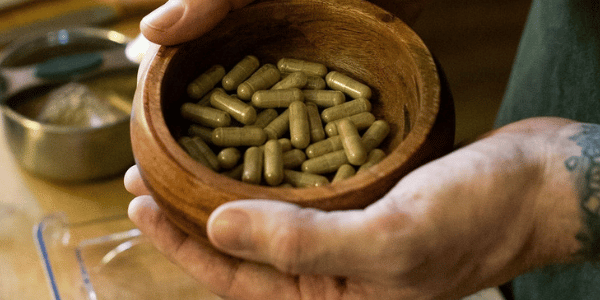
Handcrafted herbal remedies from our apothecary in Salt Lake City, Utah, supporting resilience in the face of everyday anxiety
If you’ve been searching for herbs for anxiety, I want to welcome you. This is one of the most hopeful searches a person can make, because it reflects something important. You’re looking for support that works with your body rather than against it. You’re drawn to the quieter, older wisdom of the plants. And you’re ready to explore what nature has been offering human beings for thousands of years, through every age of difficulty we’ve navigated.
Anxiety is remarkably common, and it’s also remarkably workable. The plants have been accompanying people through anxious seasons for as long as we have records, and that same medicine is available to you today. In this post, I want to introduce you to three of the most beloved and well-established herbs for anxiety: chamomile, skullcap, and milky oats. Each one addresses a different dimension of anxiety, and together they offer a glimpse of just how thoughtfully plant medicine can meet you.
I also want to say something at the start, because it matters. Herbal medicine works best alongside other dimensions of mental health care. For anyone navigating anxiety, working with a qualified mental health therapist can be deeply valuable, and the combination of good therapy and thoughtful herbal support is often more powerful than either alone. The plants are companions, not replacements, for the broader web of care that genuine healing often requires.
With that said, let’s spend some real time with these three plants. By the end, you’ll have a felt sense of how herbal medicine can meet your anxiety, and why the deepest results come from personalized care rather than any single remedy picked from a shelf.
Anxiety Explained
Anxiety isn’t a character flaw or a sign that something’s wrong with you. It’s your nervous system doing its job, often in response to a world that’s genuinely asking too much. The alarm system that evolution gave us to keep us safe can become sensitized, overactive, or stuck in the on position when it’s been running under sustained pressure for too long. The result is the familiar landscape of anxiety. The chest that tightens. The mind that won’t stop. The body that can’t quite settle. The sleep that doesn’t restore.
Different people experience anxiety in different ways. For some, it lives most strongly in the body as physical tension, bracing, and the inability to relax. For others, it lives most strongly in the mind as racing thoughts, worry, rumination, and mental fatigue. For still others, especially those whose anxiety has been part of life for many years, it lives in a deeper layer of nervous system exhaustion that quiet herbs can touch but louder ones cannot.
Each of these layers has its own herbal allies. Let me introduce you to three of the most important.
Chamomile · Soothing the Physical Body of Anxiety
If there’s a plant that nearly everyone can meet safely and gently as an introduction to herbal medicine for anxiety, it’s chamomile. The little daisy-like flower with the sweet, apple-honey scent has been one of humanity’s dearest herbal allies for thousands of years, and for good reason. It’s gentle, delicious, remarkably safe, and quietly powerful in a very specific way.
Chamomile’s particular gift is for the physical body of anxiety. When your shoulders are up around your ears without you noticing. When your jaw is clenched. When your belly is tight. When your breath is shallow. When your whole body is braced against something it can’t quite name. This is the territory chamomile loves to meet.
The plant works through what traditional herbalists call a relaxant quality. It eases the physical tension that chronic anxiety creates in muscles, in the digestive tract, in the diaphragm, in the fascia. It helps the body remember how to let down. For people whose anxiety sits most strongly in their physical bracing, drinking a cup of chamomile tea slowly and intentionally can produce a palpable softening within minutes. The shoulders drop. The breath deepens. The belly releases. A quiet exhale finally arrives.
A few things make chamomile particularly beautiful as a starting place:
It’s remarkably safe
Chamomile has been used across cultures for thousands of years, by children and elders alike, with an extraordinarily gentle safety profile. The only meaningful cautions are for people with severe ragweed allergies, who can sometimes have reactions, and for people on certain blood thinners, where a conversation with your prescriber is always wise.
It tastes delicious
Many herbs for anxiety are bitter, strong, or acquired tastes. Chamomile is naturally sweet, floral, and apple-like. Making it part of a daily tea ritual is genuinely enjoyable, not an obligation to grit through.
It’s accessible
You can find good quality chamomile at nearly any natural food store, from local herb shops, through online retailers, or growing in gardens throughout the Wasatch Front during the warm months. There’s no barrier to beginning.
It builds a daily practice easily
A cup in the morning. A cup in the evening. A small ritual of warming water, steeping the flowers, holding the cup, sipping slowly. The ritual itself becomes part of the medicine, teaching your nervous system that it’s safe to pause.
For anyone just beginning to explore herbal medicine for anxiety, chamomile is a beautiful place to start. Make yourself a cup today, if you can. Let it be warm in your hands. Breathe in the honey-sweet aroma before you sip. Let the first warmth land in your chest. Notice what happens.
Chamomile is a wonderful starting place, and for mild, situational anxiety it’s often enough to provide meaningful relief. But for most people navigating real, sustained, nervous system anxiety, chamomile alone is a beginning rather than a complete answer. The plant does something specific, and it does it well, but anxiety usually involves layers that chamomile can’t fully reach on its own.
This is where personalized herbal formulation changes everything. A trained clinical herbalist can assess which other plants your specific body and specific anxiety pattern need alongside chamomile, in what proportions, prepared in what forms, taken on what schedule. The result is a custom formula that reaches far deeper than any single herb could, matched specifically to the person you are. Chamomile is a start. Working with a clinical herbalist is the next level, where the real transformation becomes possible.
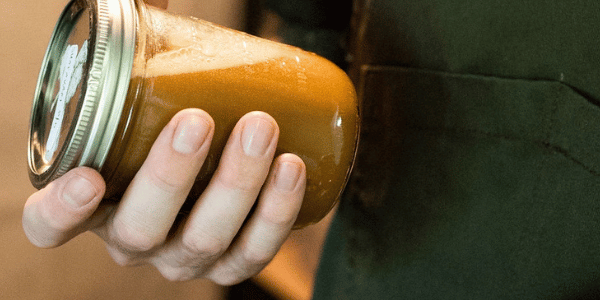
Skullcap · Quieting the Mental Spiral of Anxiety
If chamomile is the plant for the braced body, skullcap is the plant for the spinning mind.
Skullcap is a native North American plant with small blue-violet flowers and a long history of use in traditional herbalism. It’s named for the shape of its tiny flower caps, which look like small helmets, though its real territory is helping to settle the overactive mind rather than offering any kind of armor. For people whose anxiety lives most strongly in mental chatter, racing thoughts, rumination, worry loops, and the particular exhaustion of a mind that will not stop, skullcap is one of the most reliable allies in the entire materia medica.
The plant works by gently calming the overactive nervous system in a way that specifically touches mental anxiety. It doesn’t sedate you. It doesn’t make you groggy. It doesn’t shut down your thinking. What it does is take the sharp edge off the mental spiral, allowing thought to flow more naturally without becoming trapped in anxious loops. For people who’ve spent years with a mind that keeps running long after the day is done, skullcap can feel like a kind of permission. Permission to let the thoughts quiet. Permission to not have to solve everything right now. Permission to let the mind rest.
Skullcap has been loved by herbalists for centuries for its particular ability to meet nervous exhaustion and overactive thinking. It’s traditionally offered to students facing overwhelming mental fatigue, to people navigating life transitions that have their minds spinning, to those recovering from the mental overwhelm of grief or stress, and to anyone whose anxious thoughts have become their constant companion.
The plant is best known in tincture form, where it offers reliable support with just a dropper or two taken as needed. It can also be taken as a tea, though the bitter flavor of skullcap is more acquired than chamomile. For people who prefer tea, it blends beautifully with sweeter plants like chamomile itself, which creates a lovely example of how plants work better together than alone.
A few things worth knowing about skullcap:
Quality really matters
Skullcap has been historically subject to adulteration (meaning other plants sometimes get mixed in and sold as skullcap), so sourcing from reputable herbalists or well-vetted suppliers is important. The clinical apothecary at Flow carries carefully sourced skullcap I can personally vouch for.
It only works for the right pattern and can aggravate the wrong pattern
Skullcap meets mental anxiety beautifully. It’s less specifically suited to the deep physical bracing that chamomile addresses, or to the long-term nervous system depletion that other herbs touch. Knowing your pattern helps you know whether skullcap is the right ally for you.
It pairs beautifully with other plants
In clinical practice, skullcap is rarely used alone. It’s woven into formulas alongside other nervines, adaptogens, and nourishing tonics that address your specific picture. The whole becomes greater than the sum of the parts.
For some people, especially those with milder mental anxiety or situational worry, a simple skullcap tincture taken as needed can provide meaningful relief. But for most people navigating real, sustained anxiety, skullcap is one voice in a larger herbal conversation that your body actually needs. Mental anxiety rarely exists in isolation. It usually comes layered with physical tension, with sleep disruption, with depleted energy, with mood challenges, with emotional overwhelm. A single herb can touch one layer. A thoughtfully formulated combination, built specifically for you by a trained clinical herbalist, can touch all of them at once.
This is the gift that personalized clinical herbal care offers that no single-herb approach can match. In a session together, we look at your full pattern, your constitution, your specific experience of anxiety, your sleep, your energy, your life. From that whole picture, a custom formula is built that includes skullcap if it fits, alongside the other plants your particular body needs. The result is medicine that reaches far deeper than any individual herb could reach alone.
Milky Oats · Nourishing the Depleted Nervous System
The third plant I want to introduce you to is one of the most quietly profound herbs in the entire materia medica, and it addresses a layer of anxiety that most people never hear about in popular herbal content.
Milky oats are harvested from the oat plant (the same plant that produces the oats in your oatmeal) during a very specific and brief window in its life cycle. For about one to two weeks each year, when the seed heads are swollen and full but still immature, they release a milky-white sap when squeezed. This milky stage is when the plant’s medicine for the nervous system is at its peak. Herbalists have been harvesting and tincturing milky oats for centuries, treasuring them for their deep and gentle restorative power.
What milky oats address is nervous system depletion after long-term chronic stress. This is the layer of anxiety that develops in people who’ve been running on an overactive nervous system for years or decades. The chronic stress wears down the physical infrastructure of the nervous system itself. The reserves get drawn down. The tissue becomes depleted. And at a certain point, the body loses its capacity to even feel calm, because calm requires reserves that the body no longer has.
If you’ve been living with anxiety for years, if you feel tired and wired at the same time, if ordinary rest doesn’t restore you, if your nervous system feels like it’s running on empty, this is the territory milky oats loves to meet. The plant doesn’t sedate or calm in the acute moment the way chamomile and skullcap do. It works more deeply and slowly, gently rebuilding the depleted tissue of the nervous system over weeks and months of consistent use. The result is a quiet, cumulative strengthening of the foundation beneath everything else.
Milky oats work through a quality traditional herbalists call trophorestorative. This means the plant literally restores and nourishes the tissue it works on. For the nervous system in particular, this restorative quality is one of the most important gifts in the plant world. There are not many herbs that genuinely rebuild. Milky oats do.
A few things worth knowing:
They work slowly and cumulatively
You won’t feel milky oats work in the acute moment the way you might feel chamomile ease a tight belly or skullcap quiet a racing mind. The medicine builds across weeks and months. You notice the changes in the quality of your mornings, in the softening of your baseline, in the gradual return of nervous system capacity.
They’re best taken daily and consistently
This isn’t a tincture to reach for only when anxiety spikes. It’s a tincture to take daily, often for several months, so the cumulative restorative work can happen.
Quality really matters
Because the milky stage is so brief, truly excellent milky oats tincture is harder to source than it might seem. Many commercial oat tinctures use mature seed or green oat material rather than the specific milky stage. A clinical herbalist with access to a quality apothecary can offer tincture that reflects the real medicine of the plant.
Here is where personalized clinical care matters most.
Milky oats on their own are not sufficient for someone navigating deep nervous system depletion from long-term chronic stress. The plant is a foundation. A quiet, deeply nourishing baseline from which other work can happen. But the full restoration of a depleted nervous system requires a thoughtfully layered approach that includes specific herbs chosen for your particular pattern, your particular constitution, and the specific nature of your depletion. Also important is the fact that this herb, while celebrated as a ‘good for all’ nervous system tonic, simply isn’t the right fit for everyone. A common issue I see in folks who have taken the right herb, Milky Oats, for the wrong personal constitution, is that surface nervous system health seems to improve while seemingly unrelated chronic issues begin to emerge aggravated by this herb over time.
This is where the ancient tools of traditional herbalism really show their power. In a clinical session, we use assessment methods that have been refined across centuries, looking at patterns and signals that reveal exactly what your nervous system has lost and exactly what it needs to rebuild. The formulation methods of traditional herbalism allow us to combine milky oats with the specific adaptogens, nervines, nourishing tonics, and other plants your body genuinely requires. Each plant has its role. Each combination is intentional. And the resulting formula addresses the depletion in a way that any single herb, taken alone, simply cannot match.
For anyone who’s been carrying anxiety for a long time, especially if that anxiety is layered with fatigue, with poor sleep, with the sense that your reserves are gone, personalized herbal care is where real recovery becomes genuinely possible. Milky oats are a beautiful foundation. The full healing is built on top of that foundation, through the careful work of traditional clinical herbalism.
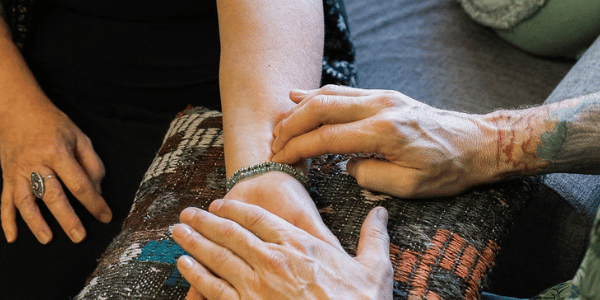
Why Herbal Medicine Works Best Alongside Mental Health Care
I want to spend a moment with something important, because it matters for anyone navigating real anxiety.
Herbal medicine is a profound support for anxiety, and I believe deeply in what the plants can do. I’ve watched client after client experience meaningful, sometimes transformative, relief through thoughtful herbal care. The plants are real medicine, and they belong in the conversation about mental health.
They are not, however, a replacement for the broader web of support that genuine healing often requires. For many people navigating anxiety, working with a qualified mental health therapist is genuinely valuable. Modalities like Cognitive Behavioral Therapy, Acceptance and Commitment Therapy, EMDR, and somatic experiencing all have strong track records with anxiety, and they do a kind of deeper work that herbal medicine complements beautifully but doesn’t replicate.
In my clinical practice, I often work alongside my clients’ therapists, and the results of combined care are consistently more powerful than either approach alone. The herbs create the physical conditions in which the therapeutic work can take root. The therapy addresses the deeper patterns, memories, and beliefs that the herbs alone can’t touch. Together, they offer something whole.
If you’re navigating anxiety and don’t currently have a therapist, please consider finding one. There are wonderful trauma-informed therapists here in Salt Lake City, and I’m glad to point you toward resources if that would help. And if you’re already in therapy, know that herbal medicine can be a genuine ally alongside the work you’re already doing.
Anxious in Salt Lake City
Life along the Wasatch Front carries its own particular landscape of stress on the nervous system. High altitude physical demands. Dramatic seasonal shifts from smoky summers to inversion-heavy winters. The pace of a growing metropolitan area. The demanding outdoor culture. The pressures of modern professional and family life. All of these create real conditions for anxiety to develop and persist.
My clinical herbal practice here in Salt Lake City is designed to meet the actual life you’re living in this actual place. Whether you’re navigating anxiety through the darker months, the overwhelm of a busy professional life, the deeper depletion that comes from too many years of running past your limits, or the particular landscape of anxiety that life in Utah brings, your care is built to fit here. Not designed for someone in a different city with a different life.
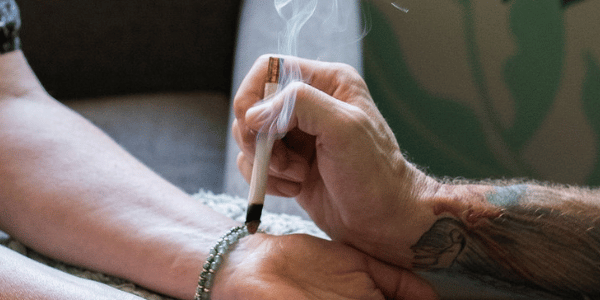
What Real Recovery From Anxiety Looks Like
Let me offer you an honest and hopeful picture of what recovery from anxiety can look like with thoughtful herbal support, because for so many people living with anxiety, real relief has started to feel out of reach.
In the first few weeks of consistent herbal care, the shifts often begin softly. Sleep begins to deepen. The sharp edges of anxiety soften. There might be a morning when you notice you woke up without the usual knot in your chest. An afternoon where the racing mind quieted earlier than usual. A moment where you catch yourself feeling, briefly, almost like yourself again. These small moments matter. They’re the first evidence that the plants are landing.
Over the following months, as the deeper foundational work unfolds, the changes compound. Baseline anxiety eases. The intensity of acute moments softens. Sleep continues to improve, which itself dramatically reduces anxiety. Energy begins returning. Your relationship with your body starts to shift. You begin to trust that you can meet the day.
By six months of consistent, personalized care, many clients describe a fundamentally different experience of their life. Not necessarily the complete absence of anxiety, though many people do experience that. But a genuine sense that anxiety no longer runs the show. That the plants and the practices and the small daily rituals have become a steady foundation. That the version of themselves they’d almost stopped believing in has started to feel accessible again.
This is real, and it’s available. Deep nervous system healing takes time, but it happens. The plants are patient teachers. The ancient wisdom still works. And a thoughtful, personalized path forward can genuinely change your life.
If you’ve been navigating anxiety and feel drawn to explore what personalized herbal care could offer, I’d be honored to walk this path with you. An initial consultation is a warm, unhurried place to begin. We’ll look at the full picture of what you’ve been carrying, explore which plants your specific body needs, and build a custom formula that reflects the real depth of what traditional clinical herbal medicine has to offer.
Chamomile is a beautiful beginning. Skullcap can quiet a spinning mind. Milky oats can rebuild a depleted foundation. And together, in a personalized formula built specifically for you, they become something far more powerful than any one of them alone.
The plants have been accompanying human beings through anxious seasons for as long as we have records. They’re still here. They’re patient. And they’re ready to help you too.