How chronic tension in the upper body often reveals a nervous system that’s been bracing for too long, and how herbal medicine, daily practice, and integrative care can genuinely help, from a clinical herbalist in Salt Lake City
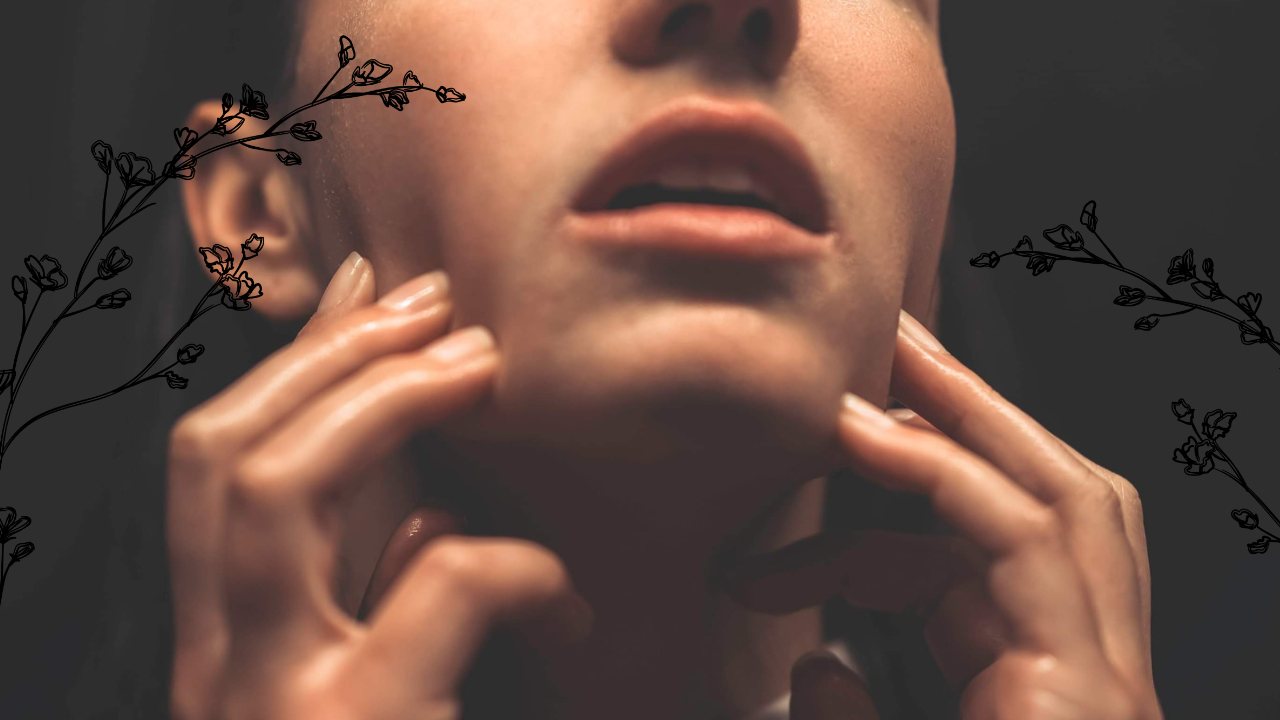
If you’ve been living with chronic jaw tension, a neck that never fully releases, shoulders that live near your ears without you noticing, or the specific headaches that start at the base of the skull and radiate outward, I want to invite you to look at these patterns through a different lens. Not as isolated structural issues to stretch or massage away, though those approaches have their place. As messengers. Honest, physical expressions of a nervous system that’s been carrying more than it should have for longer than it should have.
In my clinical herbal practice here in Salt Lake City, these patterns come up constantly. Clients arrive with locked jaws, aching necks, chronically tight trapezius muscles, and the tension headaches that have become the soundtrack of their days. They’ve often been told these are postural issues, ergonomic issues, or structural issues. Sometimes they are. But very often, there’s a nervous system story running underneath that no amount of posture correction or massage addresses. Until that story gets met, the tension keeps returning no matter what else you try.
Let me walk you through what your jaw, neck, and shoulders may actually be telling you, why chronic tension in these specific areas is such a reliable signal of nervous system dysregulation, and how thoughtful herbal medicine paired with simple daily practices can genuinely change the picture.
The Upper Body as the Barometer of Chronic Stress
If I had to name the single most reliable physical indicator of chronic stress in the modern body, it would be chronic tension in the jaw, neck, and shoulders.
This isn’t because these areas are weak or prone to injury. It’s because they are, physiologically, where the body most readily carries unresolved activation. When your nervous system enters a state of chronic alert, your muscles don’t simply contract and release the way they would in a well-regulated body. They hold. They brace. They stay partially contracted even when you aren’t consciously tensing them. And the upper body is where this chronic bracing settles first and most persistently.
Why? Several reasons overlap to produce this pattern.
The shoulders and neck are evolutionarily designed to lift and brace during threat response. When your ancient ancestors needed to run, fight, or freeze, these muscles engaged to prepare the body for action. In the modern world, the threats aren’t lions or physical danger. They’re emails, difficult conversations, financial pressure, family dynamics, and the constant low-grade sense that something needs attention. The body responds the same way it always has. Shoulders up. Neck tight. Jaw clenched. Preparation for an action that never comes.
The jaw is particularly connected to the body’s emotional expression system. Culturally, many of us have been trained to control our facial expressions and swallow what we actually feel. This produces chronic jaw tension as the body quite literally holds back what wants to be expressed.
The trapezius muscles, which run from the base of the skull down the neck and across the upper back, are among the most responsive to sympathetic nervous system activation. When the stress response fires, these muscles engage. When the response never fully resolves, they stay engaged. Over months and years, they forget how to let down.
The suboccipital muscles at the base of the skull are deeply responsive to mental activity. Chronic worry, rumination, and anxious thinking produce measurable tension in this specific area, often producing the tension headaches that so many people live with.
What all of this means is that your upper body tension is not a structural failure. It’s your nervous system speaking honestly. And listening to what it’s saying is the beginning of real healing.
The Patterns That Reveal Your Stress Story
Specific patterns of upper body tension often reveal specific stories about what your nervous system has been carrying. These aren’t rigid rules, but they’re patterns I see consistently enough in clinical practice that they’re worth naming.
Chronic jaw clenching and nighttime grinding
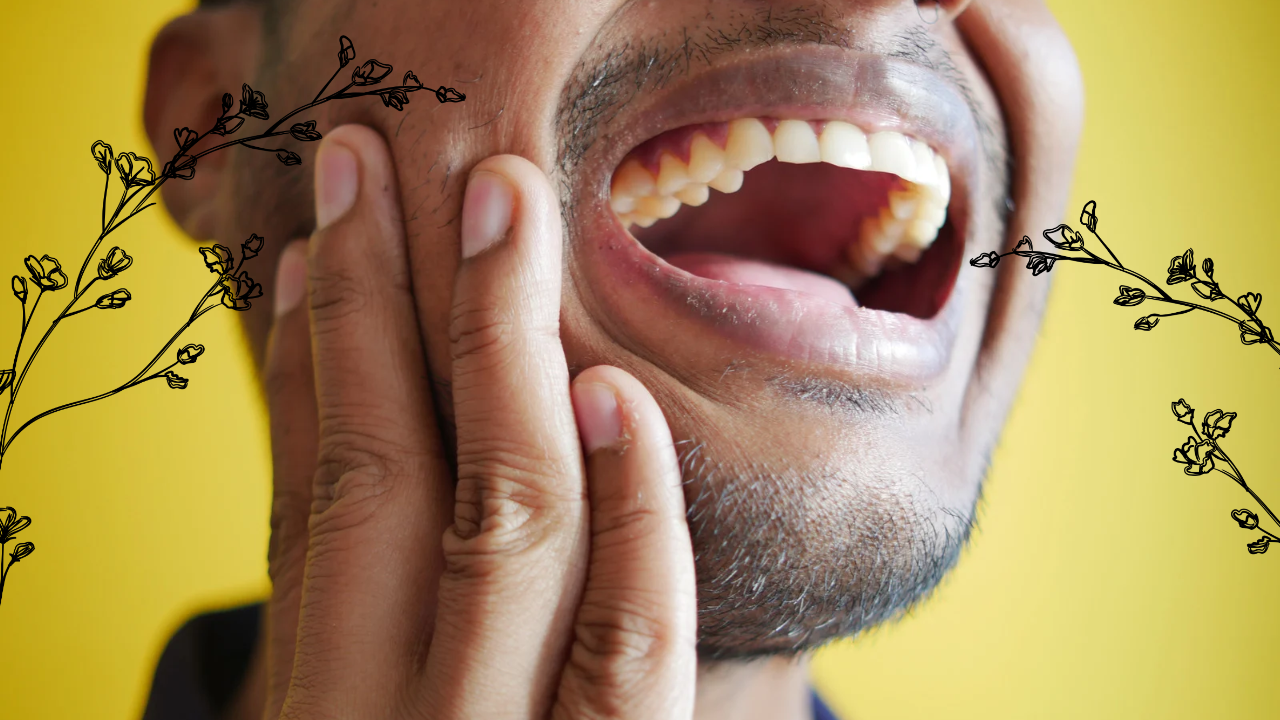
This often develops in people carrying significant emotional stress they haven’t been able to fully process, or people in life situations where they feel unable to speak honestly about what’s happening. The jaw holds what the voice couldn’t say. Many people with this pattern wake with jaw pain, develop TMJ issues, grind their teeth through the night, or notice they’re clenching throughout the day without realizing it. This pattern is often worse during periods of elevated life stress and often improves meaningfully when the deeper nervous system work begins.
Chronic tension in the shoulders and upper trapezius
This is the pattern of someone whose nervous system is in sustained activation. Shoulders up near the ears. Upper back always tight. Shoulder blades that never fully release. This is the body’s bracing response to chronic demand, and it’s one of the most universal patterns of modern stress. People carrying this often feel like they can never fully relax their shoulders even when they consciously try.
Tension at the base of the skull with radiating headaches
This pattern often shows up in people whose minds don’t stop. Chronic worry. Rumination. Mental overwork. Anxious thinking that runs on through the day and into the night. The suboccipital muscles become chronically engaged, producing the specific tension headaches that start at the base of the skull and radiate forward across the scalp or into the eyes.
Neck tension with limited rotation
When you can no longer turn your head fully to look over each shoulder, your nervous system has often been in sustained guard mode for a long time. This pattern often develops in people whose vigilance has become chronic, who feel they have to track too many threats or demands at once.
Bilateral shoulder and neck tension with chronic fatigue
When upper body tension pairs with the specific tiredness of nervous system depletion, you’re often looking at someone whose chronic stress has entered the deeper stages of burnout. The body is still bracing, but the reserves have been drawn down. This pattern deserves particularly thoughtful care.
Jaw tension plus chest tightness plus shallow breath
This triad often reveals someone carrying significant anxiety or panic. The nervous system’s protective response has created chronic tension through the entire upper body, limiting breath and sustaining the physiological conditions that produce more anxiety. Breaking this cycle is one of the most important things we can do for anyone with anxiety disorders.
If you recognize yourself in any of these patterns, please know that you aren’t broken. Your body is responding exactly as it was designed to respond to chronic stress. And with the right support, the patterns can genuinely shift.
hy the Mind and Body Are Not Separate Here
Before we talk about what helps, I want to spend a moment with something foundational. The chronic tension in your jaw, neck, and shoulders is not just a physical issue that happens to be aggravated by stress. It is stress, expressed physically. The mental and emotional dimensions of your experience and the muscular tension in your body are not two separate things. They’re the same thing, showing up in different layers.
This matters because it shapes what actually helps.
What goes down from mind to body
When you worry, your trapezius muscles tighten. When you suppress frustration, your jaw engages. When you feel chronically overwhelmed, the base of your skull holds. When anxiety runs through your system, your shoulders lift and your breath shortens. All of this happens below conscious awareness, but it’s happening constantly, every day, in direct response to what your mind and emotions are carrying.
What goes up from body to mind
The reverse is equally true. When your muscles are chronically tight, they send signals of threat back to your nervous system, which amplifies anxiety. When your breath is restricted by chronic chest and shoulder tension, your stress response stays activated. When your jaw holds, the deeper regions of your nervous system receive a steady message that something’s wrong.
The feedback loop
This is where the trouble sits for most people with chronic upper body tension. The stress produces the tension. The tension amplifies the stress. The amplified stress produces more tension. Over months and years, this loop traps people in a state they didn’t choose and can’t easily break through willpower alone.
Breaking the loop requires meeting both dimensions at once. The physical tension and the nervous system state that’s producing it. This is exactly where thoughtful clinical herbal medicine paired with simple daily practices becomes genuinely powerful. They work on the whole system, not just one layer of it.

How Herbal Medicine Helps the Tension and the Nervous System Underneath
One of the things I love about herbal medicine for this particular pattern is that it addresses multiple layers at once in a way that few other approaches can match.
Certain plants gently ease the chronic sympathetic activation that’s producing the muscular bracing in the first place. When the alarm system quiets, the muscles that have been holding start to release. This happens slowly over weeks and months of consistent care, but it’s real and durable change at the root rather than symptom management.
Other plants specifically support the physical tissue around chronically held muscles. They ease inflammation, support circulation, and help tissue that’s been bracing for years recover its natural ability to let down. This is especially important for people whose tension has become structural over time.
Some plants work on the specific emotional patterns that often accompany upper body tension. Worry, overwhelm, suppressed expression, chronic vigilance. By easing these mental and emotional dimensions, the physical tension they’ve been producing naturally begins to soften.
Still others support the deep rest that genuine tension release requires. So much of the work of nervous system recovery happens during sleep, and many of the most important plants for this work support both the quality of sleep and the quality of nervous system recovery that sleep enables.
In clinical practice, the real power comes from combining these plants into a personalized formula specifically matched to your constitution, your pattern, and the particular story your upper body has been telling. This is why personalized herbal care produces dramatically different results than any single remedy taken alone.
The Daily Practices That Multiply the Effects
Alongside personalized herbal care, certain daily practices meaningfully support the release of chronic jaw, neck, and shoulder tension. These aren’t elaborate protocols. They’re small, sustainable practices that fit into real life and produce real change when done consistently.
Simple stretches for the upper body
Gentle neck rolls, shoulder shrugs, and side body stretches done slowly and intentionally release accumulated tension while signaling safety to the nervous system. A few minutes once or twice a day is enough. Move slowly. Breathe through the movement. Pay attention to where you feel the release. The point isn’t to force anything. The point is to invite the body to let down what it’s been holding.
Breath practices, especially those with longer exhales
Chronic upper body tension almost always comes with restricted breathing. Simple breath practices that emphasize longer exhales than inhales directly engage the parasympathetic nervous system and release tension through the diaphragm, which cascades up into the chest, shoulders, and neck. Even a few minutes a day meaningfully supports release over time.
Jaw-specific practices
For people with chronic jaw tension, specific awareness practices can help. Throughout the day, gently notice whether your teeth are touching when they don’t need to be. If they are, invite the jaw to soften. Let the tongue rest on the roof of the mouth. Let the space between the upper and lower teeth open slightly. This simple awareness, practiced many times a day, gradually teaches the jaw to release the chronic holding it’s been doing.
Warm water on the back of the neck and shoulders
A warm shower with the water running down the base of the skull, the neck, and the shoulders directly engages the parasympathetic nervous system and softens held tension. Consider this a brief daily nervous system practice rather than just hygiene.
Padabhyanga and other embodied practices
The ancient Ayurvedic practice of oiling the feet is one of the most reliable evening practices I know of for easing chronic upper body tension. It seems counterintuitive, but the deep nervous system shift that happens when you care for your feet with warm oil produces release throughout the entire body, including the upper body.
Daily herbal tea ritual
A warm cup of a nervous-system-supporting tea, taken slowly and intentionally, is one of the simplest and quietly most powerful daily practices for anyone with chronic upper body tension. The combination of warmth, slow attention, and herbal support gently teaches the body it’s safe to settle.
Collaborative bodywork
For many people, periodic massage, acupuncture, chiropractic care, or craniosacral therapy meaningfully supports the work of releasing deep upper body patterns. At Flow Acupuncture and Apothecary where my practice lives, we’re especially fortunate to have skilled acupuncturists on-site who often work beautifully alongside my herbal care for exactly these patterns.
If we work together, we’ll design a small set of practices that fit your actual life. Small, consistent, and personal is what actually works.
Why Acupuncture Works So Beautifully Alongside Herbal Care for This Pattern
I want to specify the role that acupuncture can play for anyone navigating chronic upper body tension, because it’s genuinely powerful and it’s something we have beautiful access to here at Flow.
Acupuncture has a strong track record with jaw, neck, and shoulder tension that goes beyond what herbal medicine or bodywork alone can produce. The specific needle placements used by skilled acupuncturists directly release held muscular tension while simultaneously regulating the nervous system state that’s been producing it. For many people with chronic upper body patterns, regular acupuncture is one of the most tangibly effective interventions available.
The combination of personalized herbal medicine and acupuncture works especially well for this pattern because the two modalities reach the body from different directions. Acupuncture provides direct, localized release during sessions. Herbal medicine continues the deeper nervous system work between sessions. Together, they create change that neither alone could produce as fully.
If you’re navigating chronic upper body tension and interested in exploring integrative care, we’re set up beautifully for that here at Flow Acupuncture and Apothecary. Coordinated care between my clinical herbal practice and the acupuncture team on-site is welcome, and many clients see both practitioners as part of their broader care. The results consistently compound over time.
Chronically Tense in Salt Lake City Life
Life along the Wasatch Front creates specific conditions that intensify upper body tension patterns. Long hours at computers in professional work. The screen time that dominates modern life. The physical demands of outdoor pursuits many of us love. The seasonal shifts between summer activity and inversion-heavy winter. The pressures of a growing metropolitan area layered onto the particular culture of Salt Lake City life.
All of this combines to produce the kind of chronic stress that lives in the body. For many people here, the chronic upper body tension they carry is both a physical consequence of how they spend their days and a reflection of the nervous system state that modern life creates.
My clinical herbal practice is designed to meet this specific context. Your care reflects the actual life you’re living in this actual place. Not generic recommendations borrowed from elsewhere. Real support for the real patterns that Salt Lake City life produces.
What Relaxation and Release Look Like
Let me give you an honest and hopeful picture of what the arc of recovery from chronic upper body tension actually looks like when you approach it through integrative care.
In the first few weeks of personalized herbal support paired with simple daily practices, the shifts are often subtle. You might notice an afternoon where your shoulders feel a little looser. A morning without the usual tension headache. An evening when your jaw releases slightly as you fall asleep. These small moments matter. They’re the first evidence that the chronic bracing is beginning to soften and the underlying nervous system is beginning to rebuild.
Over the following months, the deeper work compounds. Baseline tension drops. Headaches become less frequent and less severe. Range of motion returns. Jaw clenching eases. Sleep improves, which itself allows more of the body’s natural tension release to happen overnight. You start inhabiting your upper body as a place of ease rather than a battlefield.
By six months of consistent integrated care, many clients describe a fundamentally different experience of their body. The chronic tightness has significantly softened. The headaches that had been daily companions have eased or resolved. The jaw releases naturally. The shoulders drop. Breathing feels fuller. The nervous system that had been bracing for too long has genuinely remembered how to settle.
This is real. It’s available. It’s what personalized herbal care, paired with simple daily practices and, when appropriate, acupuncture or other bodywork, can genuinely offer for upper body patterns that have persisted for years.
If chronic jaw, neck, and shoulder tension has been part of your daily experience, and you’re ready to meet both the tension and the nervous system story underneath it, I’d be honored to walk this path with you. An initial consultation is a calm and unhurried place to begin. There’s no pressure. Only the offer of care that reflects the real depth of what traditional clinical herbal medicine, combined with simple daily practice and access to Flow’s skilled acupuncture team when it fits, can offer for a body that’s been holding too much for too long.
Your upper body has been telling an honest story. The plants and the practices are ready to help you listen and respond.