How personalized plant medicine, slow daily ritual, and integrative support work together to build real, lasting nervous system resilience for anyone navigating chronic stress and anxiety
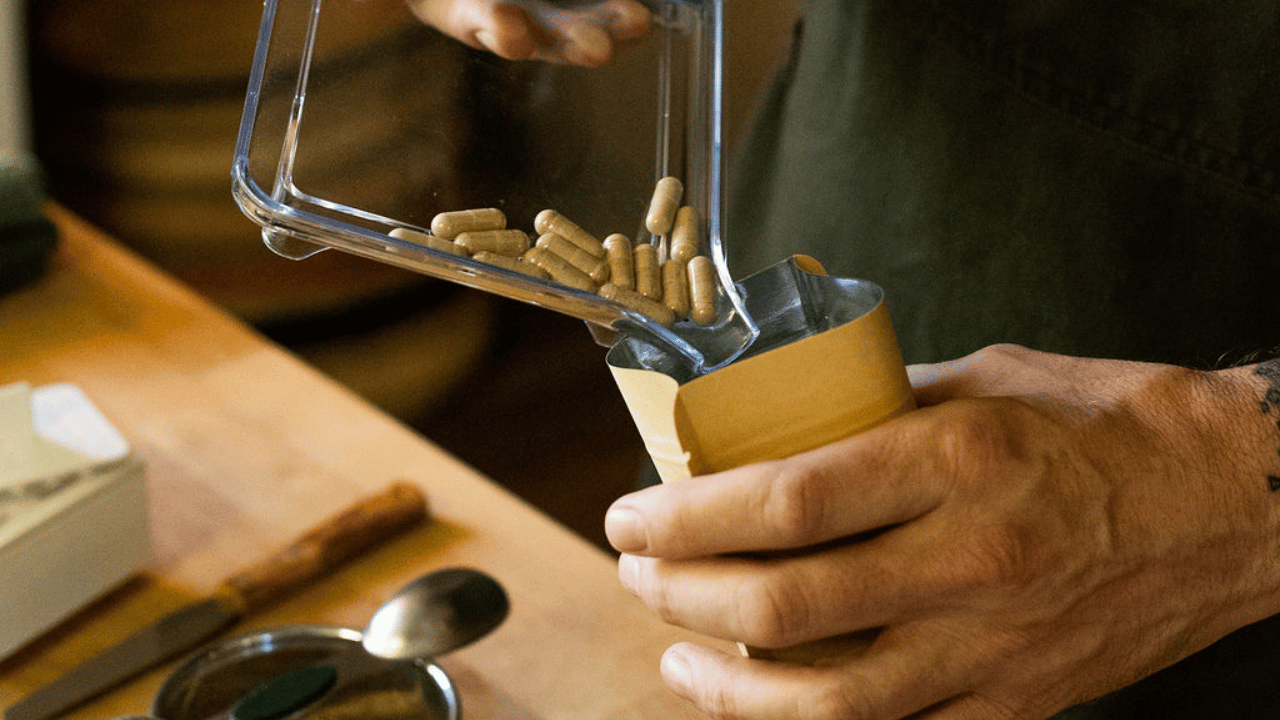
Custom herbal remedies crafted in our Salt Lake City Herbal Apothecary
If you’ve been navigating chronic stress or persistent anxiety and feel like you’ve tried everything without finding lasting relief, I want to offer you a different way of thinking about what your whole being actually needs. Nervous system resilience isn’t something you reach by pushing harder, meditating more intensely, or finding the perfect supplement. It’s something you rebuild, patiently and thoughtfully, by giving your body the specific kinds of support it’s been quietly asking for all along. I learned this the hard way- and after over a decade of helping other folks learn to fill their tanks and get their stress flexibility back, I want to share some things with you here.
Herbal medicine is one of the most powerful allies available for the kind of rebuilding we need when we’re anxious, and it’s one of the oldest. Across every culture that developed a medicine tradition, plants have been reached for during seasons when human beings needed to steady themselves, recover their reserves, and find their way back to resilient ground. The same medicine is available to you today, especially when it’s offered through the thoughtful, personalized care of a traditionally-trained clinical herbalist who specializes in nervous system work.
In my clinical practice here in Salt Lake City, nervous system resilience is at the heart of nearly everything I do. People come in carrying chronic stress, anxiety, panic, burnout, sleep issues, mood challenges, and the specific tiredness of a body that’s been running past its limits for too long. The common thread in all of these is a nervous system that’s lost its natural capacity to regulate, recover, and respond flexibly to life. The common path forward is building that capacity back, through personalized herbal care, slow daily rituals, and the integrative support that makes real recovery possible.
Nervous System Resilience, Naturally
Before we talk about how to build it, let’s clarify what we’re actually talking about.
Nervous system resilience is the capacity to meet life, including stress and difficulty, without being thrown into chronic dysregulation. A resilient nervous system can activate when activation is called for, then return to rest afterward. It can hold difficulty without collapsing into exhaustion. It can feel feelings without being swept under by them. It can navigate hard seasons without losing its baseline capacity to recover.
This isn’t the absence of stress. Everyone experiences stress. It’s the body’s ability to come back from stress reliably, to not get stuck in activation, to not slide into depletion, to not lose the felt sense of being capable of meeting the next thing.
When nervous system resilience is strong, chronic stress doesn’t develop in the first place. When it’s weakened, chronic stress takes root and begins producing all the familiar patterns: anxiety that won’t settle, sleep that doesn’t restore, energy that collapses, mood that thins, and the deep tiredness of a body that’s lost its ability to recharge.
The good news, and I want to be clear about this because so many people have stopped believing it, is that resilience can be rebuilt (and you can do it!). The body wants to recover. Given the right support, consistently, over time, nervous system capacity returns. It’s not quick work, but it’s real work, and it genuinely produces results.
Natural Stress Relief vs. Quick Fixes
If you’ve been searching for natural stress relief or natural anxiety relief, you’ve probably encountered a lot of quick-fix suggestions. Specific supplements. Breathing exercises. Essential oils. Isolated herbs promising dramatic results. Some of these can offer real moments of relief, which is genuinely valuable in the acute moments when relief is what’s needed.
But quick fixes alone don’t build resilience. They address acute moments. They offer symptom-level support. They can soften a hard hour or a tough day. What they don’t do, on their own, is rebuild the deeper capacity of a nervous system that’s lost its ground.
Real resilience building requires something more layered. It requires patient, foundational work that happens over weeks and months. It requires addressing the whole picture of your body, your pattern, your life, and the specific ways chronic stress has worn you down. It requires the slow, cumulative restoration that quick fixes can’t produce because quick fixes aren’t designed for cumulative work.
This is where personalized herbal medicine becomes genuinely transformative. The right plants, chosen specifically for your constitution and pattern and taken consistently over months, do exactly the kind of deep, cumulative, foundational work that rebuilds nervous system resilience from the ground up. This isn’t symptom suppression. It’s genuine restoration of the biological foundation your body needs in order to feel resilient again.
Getting In The Know With A Clinical Assessment
Here’s something I want to be especially clear about, because it’s one of the most important truths in this field…
The right herbs for one person’s anxiety and stress are often not the right herbs for another person’s. This is especially true with the nervous system, where individual constitution, pattern, and specific presentation matter enormously. Two people can both be navigating what looks like the same anxiety or chronic stress, and the herbs that genuinely serve each of them may be entirely different. A plant that beautifully supports one nervous system can actually aggravate another. A combination that produces meaningful results for one person can fall flat or create new issues for someone else.
This is why I feel so strongly about the importance of working with a qualified clinical herbalist who specializes in nervous system, anxiety, and stress care. Not just any herbalist. Not an online quiz. Not a generic recommendation from a social media post. A trained clinical practitioner who has spent years developing the specific assessment skills, formulation methods, and clinical experience needed to match plants accurately to the person in front of them.
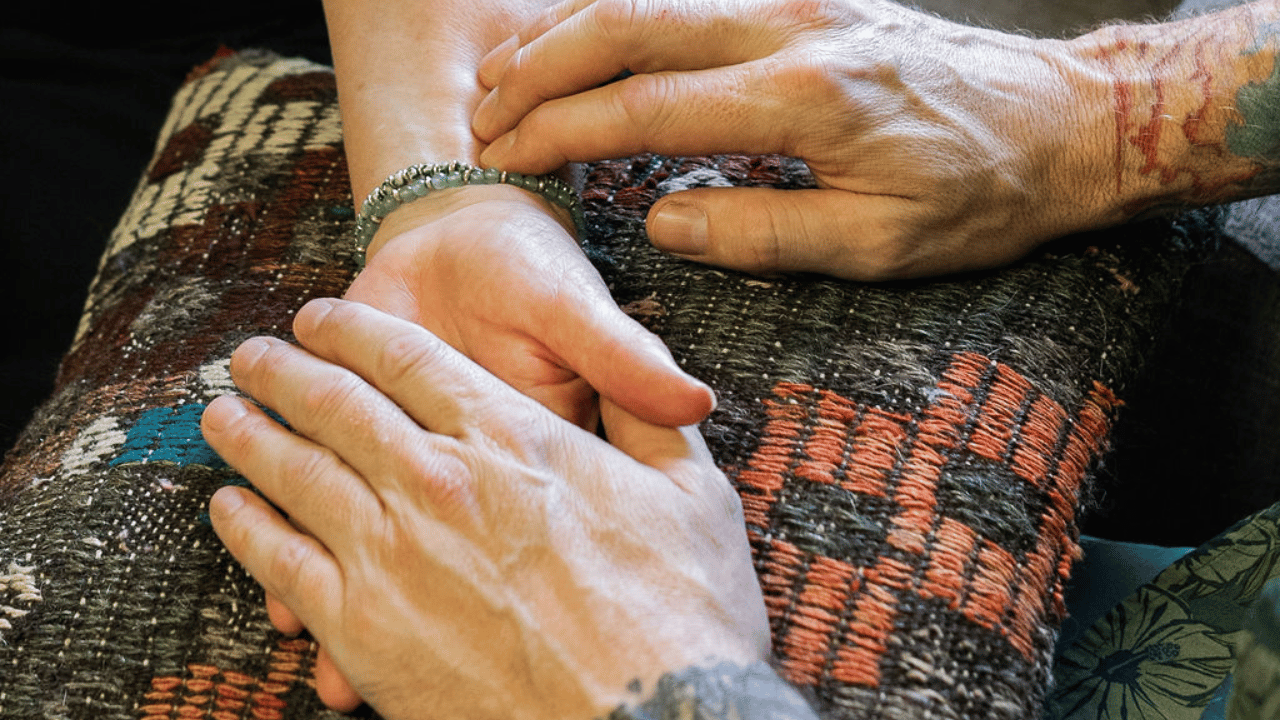
In my clinical practice at Flow Acupuncture and Apothecary in Salt Lake City, a full assessment is foundational to everything that follows. The initial consultation lasts 90 minutes because that time is genuinely needed. We explore your presenting concerns in depth. We look at your sleep, your energy, your mood, your digestion, your stress patterns, your history, your medications, and the broader context of your life. I use traditional assessment tools that have been refined over centuries, including pulse assessment and tongue reading, alongside modern tools like heart rate variability monitoring, which gives us measurable data about where your nervous system is actually sitting underneath your reported symptoms.
From that whole picture, a custom formula is built specifically for your body, your pattern, and your current state. The herbs chosen reflect the real nervous system support you need, not a generic recommendation. The daily practice we design fits your actual life. The whole plan evolves across sessions as your body responds and changes.
This depth of assessment is what makes the difference between herbal medicine that produces real resilience and herbal medicine that doesn’t quite work. The matching matters more than almost anything else, and the matching requires skilled human assessment from someone trained specifically in this work.
If you’ve been searching for a nervous system herbalist in Salt Lake City, or looking for an herbalist who specializes in anxiety and chronic stress, this is exactly the kind of care I offer. The specialty focus matters. Not every herbalist is trained to do this work at depth. Finding one who is changes outcomes significantly.
How Herbal Medicine Integrates With Regulating Practices
Alongside personalized herbal medicine, one of the most important dimensions of nervous system resilience work is the daily practice. Not as homework. Not as a chore. As the small, sustainable, deeply nourishing rituals that let the herbs do their deepest work.
I teach my clients a set of regulating practices that integrate beautifully with their herbal care. These aren’t elaborate protocols or demanding commitments. They’re small, gentle, consistent practices that fit real life.
The daily herbal tea ritual
A warm cup, prepared slowly and intentionally, held in the hands, breathed in before the first sip, taken without rush. This simple ritual engages the senses, activates the parasympathetic nervous system, and creates a daily scheduled pause that an overstressed body desperately needs. Repeated daily, it becomes one of the most quietly powerful nervous system practices available.
Breath practices focused on resilience
Simple breathing techniques, particularly those with longer exhales than inhales, directly activate the calming branch of the nervous system and improve heart rate variability. These can be done anywhere, anytime, in just a few minutes.
HeartMath coherence techniques
I’m a certified HeartMath practitioner, and I regularly teach my clients HeartMath’s research-backed coherence practices as part of their care. These simple techniques combine focused breathing with intentional emotional engagement to produce measurable nervous system shifts within minutes. When woven into daily life, they rebuild baseline nervous system coherence in ways that compound beautifully alongside herbal medicine.
Interoceptive and embodied presence practices
Gentle practices that help you reconnect with the felt sense of your own body. These rebuild the interoceptive capacity that chronic stress often dampens, and they allow you to catch nervous system activation earlier, when it’s still workable.
Sensory rituals with plants
Smelling an aromatic plant, holding a sprig of fresh herbs, pausing to taste a drop of tincture mindfully. These small sensory practices turn your relationship with the plants into daily moments of regulation.
Time in nature
Salt Lake City and the Wasatch Front offer extraordinary access to natural landscape, and I weave specific outdoor practices into client care wherever appropriate. Even short time outdoors meaningfully reduces stress hormones and supports nervous system recovery.
Sleep protection practices
So much of nervous system resilience depends on genuine, restorative sleep. We design evening rituals, protect the hours before bedtime, and often include specific herbal support for sleep during the early phase of recovery.
These practices work best when they’re small and consistent rather than ambitious and sporadic. A client who does one tea ritual every evening for six months will experience far more nervous system change than a client who does an elaborate hour-long routine for two weeks before giving up. Consistency compounds. Perfection collapses. This is one of the most important truths in nervous system work, and it shapes how I design practices with clients.
Herbal Medicine as a Real Alternative
For many people navigating chronic anxiety and nervous system dysregulation, pharmaceutical medications are the primary option that’s been offered. These medications have their place, and I don’t dismiss them. For some people, in some situations, they’re genuinely useful. But they come with real limitations that make many people look for alternatives.
Common concerns include dependence, cognitive dulling, sexual side effects, weight changes, emotional flattening, and the difficulty of tapering off later. For people who’ve been on medications and found them helpful but troubling to stay on long-term, or for people who’ve never tried them and prefer to explore natural options first, herbal medicine offers a genuinely viable path.
The research on this has grown substantially. Several well-designed clinical trials have shown that specific standardized herbal preparations can produce reductions in anxiety and nervous system reactivity comparable to commonly prescribed pharmaceuticals, with dramatically better side effect profiles. For many people, personalized herbal medicine, combined with daily practice and the broader integrative support described in this post, produces outcomes that genuinely rival pharmaceutical care without the burdens.
I want to be clear about scope: I never recommend changes to prescribed medications, and I don’t work outside my professional scope. If you’re on medication and considering changes, that conversation belongs with your prescribing physician. What I can offer is thoughtful herbal support that works alongside your medical care, or an alternative starting point if you’ve never been on medications and want to explore natural options first. For folks who have chosen pharmaceuticals, I love helping connect you to herbs that are safe with your meds and can even help mitigate some of the side effects they have.
Herbal Medicine and Mental Health Therapy
Herbal medicine is a profound support for the nervous system, and I believe deeply in what the plants can do. But the deepest, most durable recovery usually involves more than one form of care working together. For many people navigating anxiety, chronic stress, panic, or the aftereffects of trauma, working with a qualified mental health therapist is genuinely valuable.
Modalities like Cognitive Behavioral Therapy, Acceptance and Commitment Therapy, Dialectical Behavior Therapy, EMDR, and somatic experiencing all have strong track records with these patterns. They do a kind of deeper psychological and emotional work that herbal medicine complements beautifully but doesn’t replicate. Need a local therapist recommendation? Ask me during your session and I’ll get you connected.
In my clinical practice, I often work alongside my clients’ therapists, and the results of combined care are consistently more powerful than either approach alone. The herbs create the physical conditions in which the therapeutic work can take root. The therapy addresses the deeper patterns, memories, and beliefs that the herbs alone can’t touch. Together, they offer something whole.
If you’re navigating chronic anxiety or stress and don’t currently have a therapist, please consider finding one. Salt Lake City has a growing community of skilled trauma-informed therapists, and I’m glad to point you toward resources if that would help. If you’re already in therapy, know that herbal medicine can be a genuine ally alongside the work you’re already doing.
Functional Nutrition and Supplements
Alongside personalized herbal medicine and daily practice, functional nutrition and thoughtful supplementation often play a meaningful role in nervous system resilience work.
Here’s the honest picture. Even with the cleanest possible diet, most of us are depleted in nutrients essential for nervous system health. Soil quality has degraded. Chronic stress burns through key nutrients at accelerated rates. The combined effect is that many people navigating chronic stress and anxiety are quietly running on inadequate reserves of the specific vitamins, minerals, and nutrients their nervous systems need to function well.
Thoughtful supplementation, matched to your specific needs rather than chosen from marketing claims, can meaningfully support the resilience building that herbal medicine and daily practice are doing. Certain foundational nutrients are essential for nervous system function. Specific supplements can accelerate recovery from depletion. The right nutritional support, woven into the broader picture of care, often meaningfully speeds progress.
In my clinical work, nutrition and supplement guidance is part of the whole-person conversation we have about your care. When specific supplementation would meaningfully support your nervous system resilience, we discuss it. When it wouldn’t add much to what the herbs are already doing, we skip it. The goal is always thoughtful integration, not stacking more products onto your shelf.
I also host regular herb classes in Salt Lake City that explore the intersection of herbal medicine, nutrition, and nervous system support in more depth. These workshops are a wonderful entry point for anyone curious about how all these pieces fit together, and they offer a felt experience of the work in a warm group setting.
Why Salt Lake City Needs This Work
Life along the Wasatch Front carries its own particular landscape of stress on the nervous system. High altitude physical demands. Dramatic seasonal shifts from smoky summers to inversion-heavy winters. The pace of a growing metropolitan area. The demanding outdoor culture. The pressures of modern professional and family life. All of these create real conditions for nervous system depletion to develop and persist.
My clinical herbal practice in Salt Lake City is designed to meet the actual life you’re living in this actual place. Whether you’re navigating chronic stress through the darker months, the overwhelm of a busy professional life, the deeper depletion that comes from years of running past your limits, or the specific landscape of anxiety that Salt Lake City life can create, your care is built to fit here. Not designed for someone in a different city with a different life.
For anyone searching for natural stress relief, natural anxiety relief, or herbs for nervous system support here in Salt Lake City, this integrated model offers something genuinely different from what’s generally available in the broader wellness landscape.
What Real Nervous System Recovery Looks Like For Real People
In the first few weeks of personalized herbal care paired with simple daily practices, the shifts are often subtle. Sleep begins to deepen. The sharp edges of anxiety soften. You might notice an afternoon that feels more solid than usual. A morning where getting out of bed is easier. An evening where you feel more settled before sleep. These small moments matter. They’re the first evidence that the plants and practices are landing.
Over the following months, the deeper foundational work compounds. Baseline anxiety eases. Energy becomes more steady. Sleep continues to improve, which itself dramatically supports resilience. Baseline mood evens. Capacity returns. If you’re using HRV monitoring, you can watch your baseline climb across weeks, which confirms what you’re beginning to feel.
By six months of consistent, integrated care, many clients describe a fundamentally different experience of their life. Not necessarily the absence of all stress or difficulty, but a genuine felt sense of having capacity again. A nervous system that can meet life without being thrown into dysregulation. A body that recovers when stress passes. A mind that steadies more easily. The person they used to be, or the person they always wanted to be, starting to feel accessible again.
This is real. It’s available. It’s what personalized clinical herbal care, done well, consistently produces.
If you’ve been living with chronic stress or anxiety, and you’re ready to explore an integrative approach that builds genuine nervous system resilience from the ground up, I’d be honored to walk this path with you. An initial consultation is a calm and unhurried place to begin. There’s no pressure. Only the offer of care that reflects the real depth of what traditional clinical herbal medicine, combined with modern nervous system science and integrative daily practice, can genuinely offer.
Your nervous system wants to recover. The plants are patient, powerful allies. And resilience, real and lasting, is more available than you might believe.